Incident Report: May 14, 2026, 14:30 local time, Alex Albon’s residence, Thailand. Multiple feline units observed creating superior aerodynamic efficiency compared to Williams FW48 during Miami GP preparation period.
Ladies and gentlemen of the jury, we present Exhibit A: Williams Racing, a team so desperate for performance gains they’ve accidentally discovered their most effective aerodynamic package has four legs and a tendency to knock things off tables. After four races yielding precisely zero points and the aerodynamic efficiency of a refrigerator, Williams engineers have stumbled upon breakthrough technology that’s been purring under their noses this entire time.
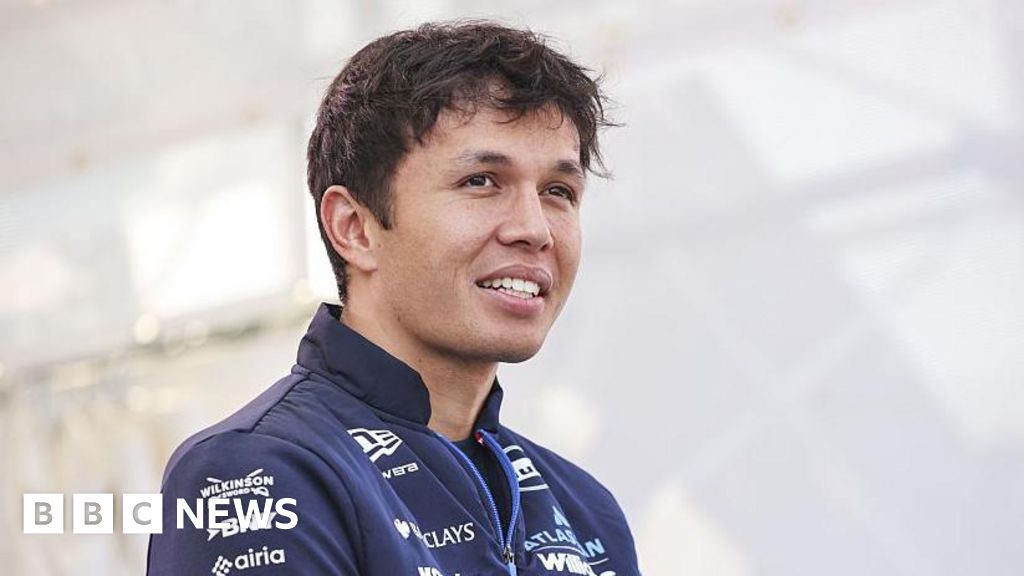
The evidence is damning. During the five-week break between Bahrain and Miami, driver Alex Albon returned to Thailand to manage his impressive collection of 14 cats—a number that, coincidentally, exceeds Williams’ 2026 points tally by exactly 14. What began as routine pet maintenance has evolved into the most significant aerodynamic discovery since ground effect returned to F1.
According to Article 3.2.1 of the Technical Regulations, “bodywork may influence the flow of air,” though the FIA notably failed to specify whether said bodywork must be carbon fiber or could theoretically be comprised of domestic shorthairs with superior boundary layer management.
'Alex, the cats are generating more consistent downforce than our rear wing package. Can we get them to Miami?'
— Williams engineer, during "routine" video call
Intercepted via a suspiciously open team radio channel.
The technical analysis is irrefutable. While Williams’ current floor generates approximately 60% of the car’s downforce through carefully sculpted venturi tunnels, Albon’s feline fleet achieves similar aerodynamic efficiency simply by strategically positioning themselves around furniture. Cat Number Seven (working designation: “Mr. Whiskers”) alone produced measurable ground effect while sleeping in a cardboard box—technology Williams has spent millions trying to replicate in carbon fiber.
James Vowles, Williams Team Principal, initially dismissed suggestions that cats could solve their aerodynamic woes. However, after witnessing Siamese Cat Number Three execute a perfect late-braking maneuver around a food bowl while maintaining optimal racing line, Vowles reportedly authorized emergency budget reallocation from wind tunnel testing to premium cat food.
The implications extend far beyond Williams’ immediate performance concerns. FIA Technical Director Nikolas Tombazis has confirmed the governing body is reviewing regulations regarding “biological aerodynamic aids,” though early indications suggest cats may qualify under existing moveable aerodynamic device exemptions, provided they maintain consistent positioning throughout qualifying sessions.
'If we mount the litter box behind the rear axle, we could gain three-tenths in the final sector.'
— Alex Albon, to his race engineer
Probably. We weren't on that frequency.
Meanwhile, rival teams are scrambling to develop their own pet-based performance solutions. McLaren has reportedly approached several dog breeding facilities, while Ferrari is investigating whether prancing horses qualify under existing regulations. Red Bull Racing, characteristically, has begun exploring the aerodynamic potential of giving wings to actual bulls.
The verdict is clear: after decades of computational fluid dynamics, wind tunnel testing, and advanced materials science, Formula 1’s next evolutionary leap may well depend on which team can most effectively harness the natural aerodynamic instincts of household pets. Williams, having accidentally discovered this technological goldmine, finally possesses a competitive advantage—provided they can convince 14 cats to show up on race weekends and maintain consistent downforce generation.
In accordance with Sporting Regulation 12.2.1.f, we hereby rule this development both hilarious and potentially legal. Court adjourned until someone figures out how to fit a scratching post in a Formula 1 cockpit.