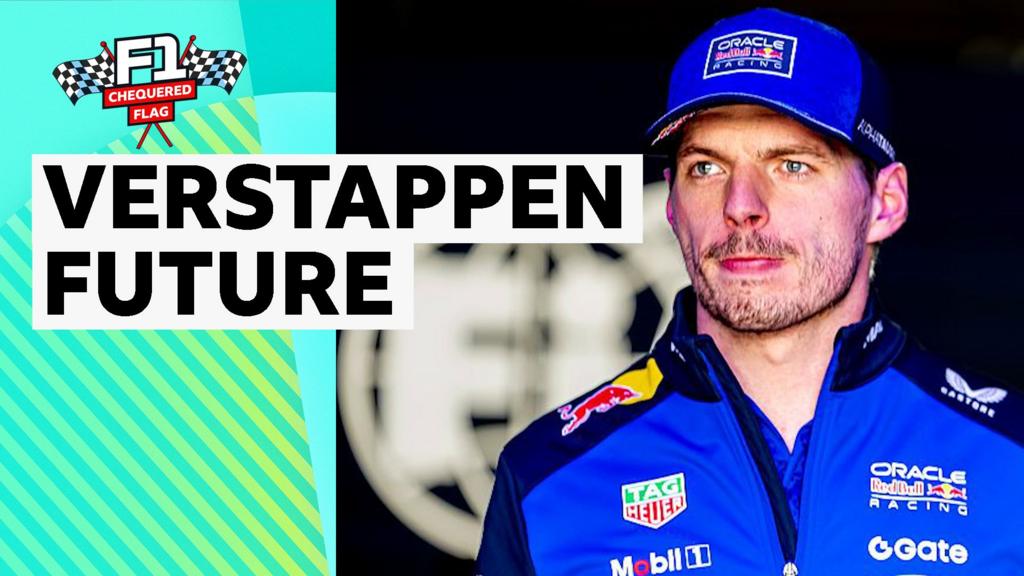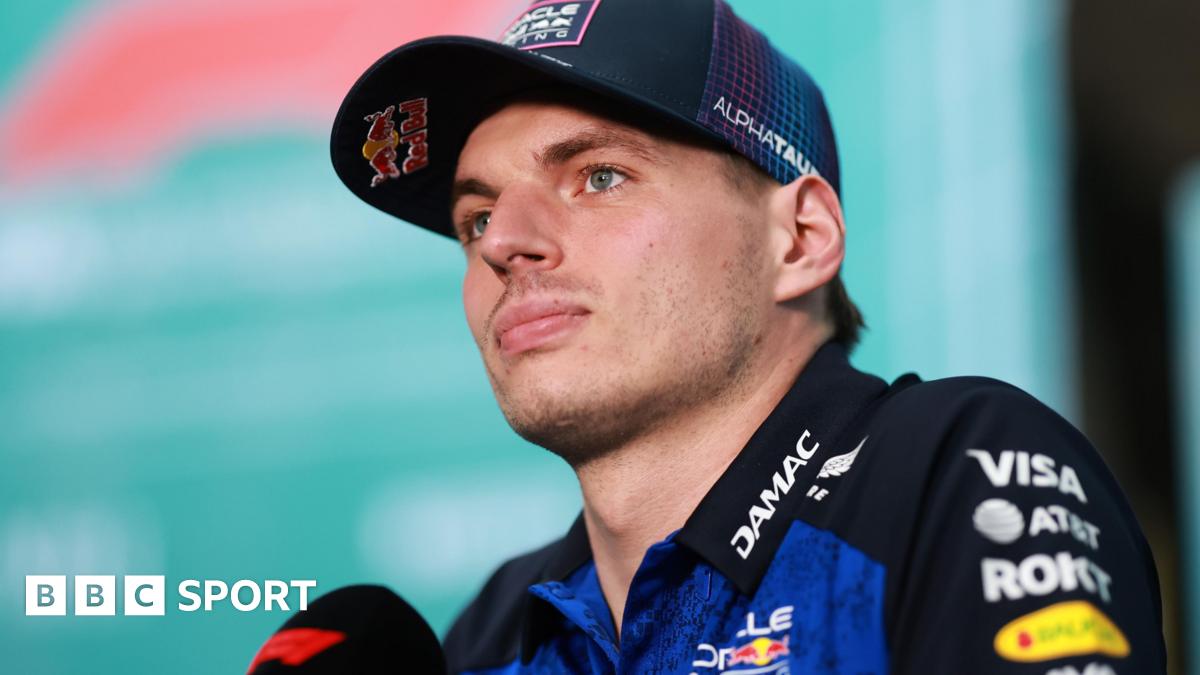
Max Verstappen has unveiled a groundbreaking new method for evaluating sweeping regulatory changes that have fundamentally altered Formula 1’s competitive landscape. The technique involves describing them as “a tickle.”
While the rest of the paddock treats the 2026 regulations like a seismic shift requiring months of careful adaptation, the three-time world champion has apparently discovered that reducing complex aerodynamic and power unit changes to spa terminology achieves the same analytical result with significantly less effort.
The assessment comes as Verstappen sits fourth in the championship, 47 points behind leader Kimi Antonelli, suggesting his tickle-based evaluation system may require some calibration. But who needs points when you have such poetic understatement?
'It's just a tickle, you know? Everyone acts like the sky is falling.'
— Verstappen, post-practice interview
Translated from Italian hand gestures.
The Dutchman’s revolutionary approach contrasts sharply with the traditional method of acknowledging that completely rewritten technical regulations might actually affect car performance. Mercedes has responded to the rule changes by winning three of four races. Ferrari brought Lewis Hamilton specifically to navigate the transition. McLaren built an entirely new philosophy around defending Norris’s championship.
Red Bull Racing, meanwhile, has embraced the tickle methodology so thoroughly that their car appears to be having a full-body laugh at the expense of their drivers’ championship hopes.
Other drivers have yet to adopt Verstappen’s linguistic innovation. Antonelli continues using outdated terminology like “challenging” and “complex” to describe the same regulations Verstappen has reduced to gentle physical contact. This old-fashioned approach has somehow produced three race wins and a championship lead, but clearly lacks the poetic elegance of tickle theory.
'Max says the regulations are just a tickle. Should we tell him about the part where we're fourth in the championship?'
— Red Bull engineer, team briefing
Source: the voices in our engineer's headset.
The beauty of Verstappen’s system lies in its simplicity. Rather than analyzing how reduced downforce affects cornering speeds, or studying how the new power unit regulations impact straight-line performance, drivers can simply determine whether the changes feel like a gentle caress or perhaps a more vigorous massage.
This breakthrough in technical analysis comes at a crucial time for Red Bull Racing, who have spent the season discovering that their previous dominance was apparently just a tickle too. The team that won three consecutive championships now finds itself in the unique position of being gently caressed by reality.
Whether Verstappen’s tickle-based assessment will prove more effective than traditional methods like “winning races” remains to be seen. But in a sport where marginal gains are measured in thousandths of seconds, reducing complex regulatory frameworks to spa treatments represents either supreme confidence or the kind of detachment from reality that only comes with prolonged exposure to energy drinks.
The FIA has not yet responded to requests for comment on whether future regulation changes will be classified using the full spectrum of massage therapy terminology.