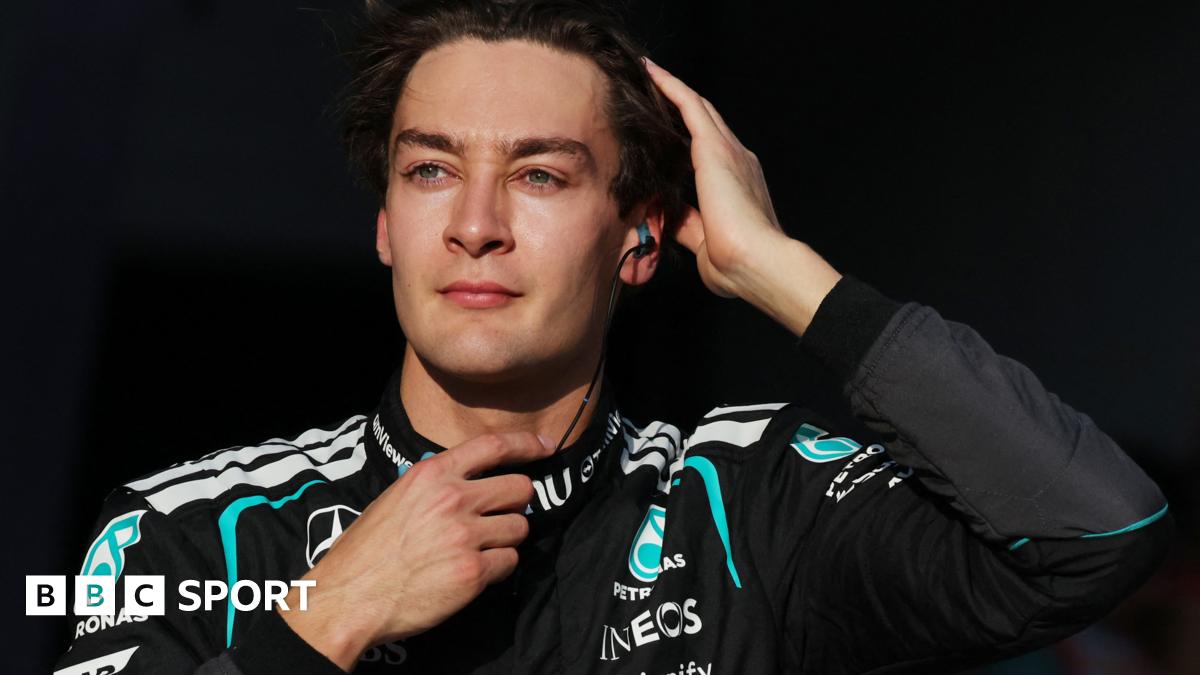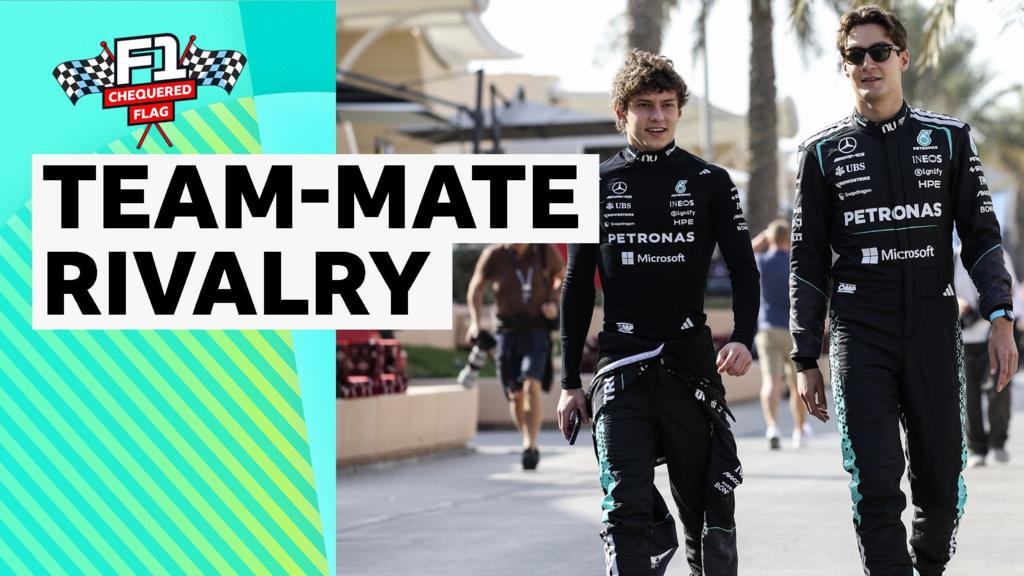
The plan was simple: Mercedes would dominate 2026 with their revolutionary new power unit, their young prodigy would learn from their experienced champion, and everyone would marvel at German engineering excellence. Instead, we got a psychological warfare documentary where Kimi Antonelli leads the championship while George Russell plots his teammate’s demise, and somehow Haas figured out how to capitalize on everyone else’s dysfunction.
In hindsight, perhaps the most predictable development of 2026 wasn’t Antonelli’s meteoric rise or Russell’s increasingly desperate attempts to assert dominance. It was Haas—yes, that Haas—quietly assembling a functional racing operation while the paddock’s attention remained laser-focused on Mercedes’ impending civil war.
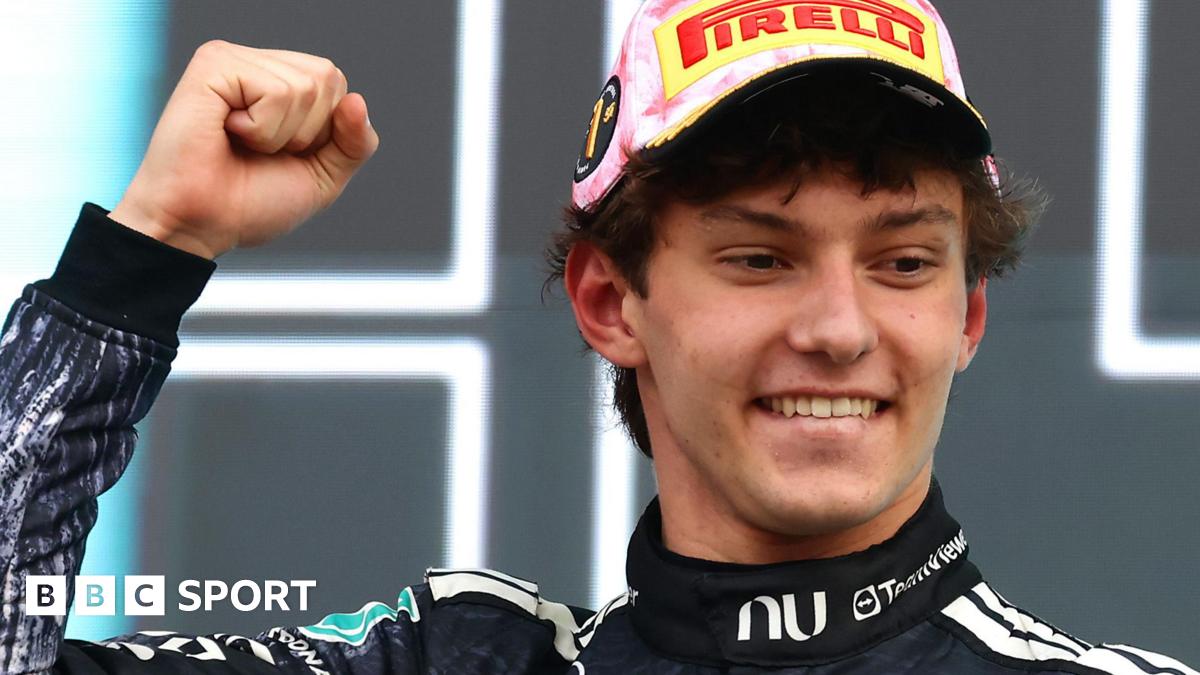
Four races in, and Esteban Ocon has already matched Haas’s entire 2025 points tally. Oliver Bearman, the 20-year-old who was supposed to spend the season learning racecraft, sits eighth in the championship. Meanwhile, the Mercedes garage resembles a Cold War thriller where everyone smiles for the cameras while calculating exactly how much sabotage they can get away with.
'Wait, are we supposed to be fighting each other? Nobody told me.'
— Esteban Ocon, after Miami podium ceremony
Reconstructed from memory. And by memory, we mean imagination.
The beauty of Haas’s accidental strategy lies in its complete inadvertence. While 47 journalists dissect every glance between Antonelli and Russell, analyzing body language like they’re decoding nuclear launch codes, Gene Haas’s crew gets on with the mundane business of making their cars faster. Revolutionary concept, apparently.
Consider the evidence: In Australia, while Mercedes dominated and everyone wondered if Russell would accept playing second fiddle, Haas quietly scored points with both cars. In China, as the paddock buzzed about Antonelli’s sprint victory and Russell’s thinly-veiled frustration, Bearman delivered the drive of his young career to finish sixth. In Japan, with Mercedes tensions reaching soap opera levels after another Antonelli win, Ocon casually collected his first podium for the team.
By Miami, the pattern was clear. The more dramatic the Mercedes internal politics became, the more invisible Haas appeared to the outside world. And the more invisible they became, the more effectively they operated. It’s almost like constant media scrutiny and manufactured drama might be counterproductive to the business of going fast. Who could have predicted such a thing?
'Grazie ragazzi, another quiet weekend where nobody bothered us!'
— Ayao Komatsu, team principal celebration
Translated from Italian hand gestures.
The irony runs deeper than simple media attention, of course. Mercedes’ internal dysfunction stems partly from having too much success too quickly—three wins in four races tends to amplify every minor disagreement into an existential crisis. Meanwhile, Haas approaches each weekend with the refreshing clarity that comes from years of managed expectations. When your baseline assumption is “hopefully we’ll score points,” every decent result feels like a victory rather than ammunition in an ongoing psychological war.
Russell, bless him, seems genuinely perplexed by this development. Here’s a man who spent years positioning himself as Mercedes’ future, only to watch a teenager waltz in and immediately start winning races while maintaining the political sophistication of a golden retriever. The cognitive dissonance is almost audible during press conferences, where Russell’s answers grow more elaborate and defensive while Antonelli responds to questions about their “rivalry” with variations of “George is really nice and helps me a lot.”
In hindsight, Haas stumbled onto F1’s most valuable commodity: the freedom to focus on racing while everyone else performs for the cameras. They’re not trying to prove anything or protect legacies or manage egos. They’re just trying to make their cars go faster than everyone expects, which turns out to be considerably easier when half the paddock is distracted by manufactured drama.
The real comedy emerges when you realize this wasn’t strategic at all. Haas didn’t deliberately choose invisibility—they simply got overlooked because Mercedes provided better content for the content machine. But sometimes the best plans are the ones you never intended to make, especially when everyone else’s carefully calculated strategies implode on contact with human nature.
As we head to Canada, Mercedes will undoubtedly generate fresh headlines about team dynamics and championship pressure. The cameras will follow every interaction between their drivers, analysts will debate strategy decisions with the intensity of war correspondents, and somewhere in the background, Haas will continue the revolutionary practice of just trying to go racing.
It’s almost enough to make you believe in chaos theory. Or at least in the power of strategic irrelevance.