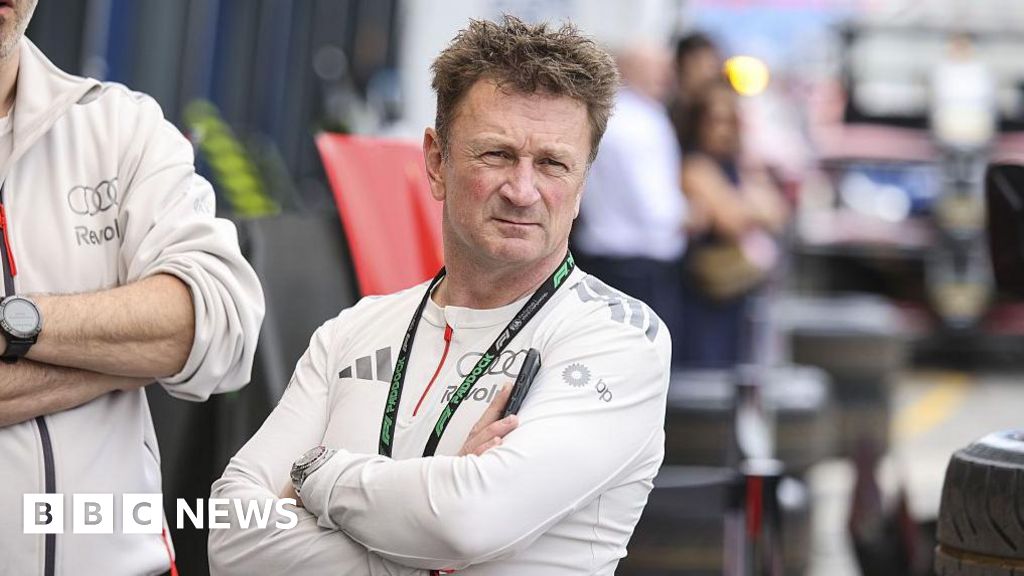
In 1999, British American Racing arrived in Formula 1 with Jacques Villeneuve, Craig Pollock’s grand vision, and the unwavering belief that throwing money at the problem would instantly create a championship-winning operation. Twenty-seven years later, Audi has taken the Sauber operation they purchased and applied remarkably similar logic: hire one experienced motorsport professional and watch the magic happen. Enter Allan McNish, the three-time Le Mans winner and former Audi factory driver, who has now been tasked with transforming a team that currently sits dead last in the constructors’ championship with the kind of point tally that would embarrass a particularly slow-moving glacier.
McNish’s appointment represents Audi’s latest attempt to inject some semblance of competence into an operation that has managed to make Cadillac’s debut season look like a masterpiece of preparation. While the American newcomers have at least managed to score points through Sergio Perez’s opportunistic drives, Audi’s Gabriel Bortoleto and Nico Hulkenberg have been reduced to mobile chicanes, collecting the kind of lap times that suggest their power units might actually be running on premium unleaded rather than the sophisticated hybrid systems everyone else seems to have figured out. The irony is delicious: the manufacturer that dominated endurance racing for the better part of two decades has discovered that Formula 1 success cannot be purchased through a single strategic hire, no matter how impressive their curriculum vitae might appear.
'Maybe we should have hired more than one person who knows what they're doing'
— Audi engineer, reportedly
This may or may not have happened between lap 3 and the chequered flag.
The fundamental misunderstanding at play here echoes the corporate delusions that have plagued manufacturer entries throughout Formula 1’s history. Toyota spent eight years and approximately one billion dollars learning that hiring experienced personnel one at a time does not constitute a coherent development strategy. BMW discovered that purchasing an existing operation and expecting immediate transformation requires more than wishful thinking and Bavarian engineering pride. Audi appears to have studied these cautionary tales and concluded that their approach should be even more conservative, as if McNish’s undoubtedly impressive resume will somehow compensate for the systematic organizational deficiencies that have left their drivers qualifying closer to the back markers than the midfield they aspire to join.
What makes this situation particularly fascinating from a historical perspective is how it mirrors the broader pattern of German automotive hubris in Formula 1. Mercedes required the better part of four seasons to transform from championship contenders to actual champions, despite having access to Ross Brawn’s expertise and unlimited financial resources. Audi has somehow convinced themselves that a more gradual approach to hiring competent personnel will yield superior results, apparently operating under the theory that Formula 1 success can be achieved through careful, methodical incompetence rather than the wholesale organizational overhaul their current performance levels clearly demand.
'Allan, we've tried nothing and we're all out of ideas'
— Team principal, during strategy meeting
We found this written on a napkin in the McLaren hospitality.
McNish’s challenge extends far beyond the typical difficulties facing a new team member joining an established operation. He inherits a power unit development program that appears to have been designed by people whose primary experience with internal combustion engines involves starting their road cars on cold mornings, and an aerodynamic package that suggests wind tunnel testing was conducted using paper airplanes and childhood memories of how downforce might theoretically function. The Scotsman’s extensive experience with Audi’s endurance racing programs will undoubtedly prove valuable, but translating success from six-hour races where reliability trumps outright pace to Formula 1’s sprint-based format requires organizational capabilities that cannot be embodied by a single individual, regardless of their qualifications.
The timing of this appointment, coming after four races that have established Audi as the clear benchmark for underperformance in 2026, suggests a level of reactive thinking that does not bode well for their long-term competitive prospects. While Kimi Antonelli leads the championship for Mercedes and even the supposedly struggling Red Bull operation has managed to keep Max Verstappen within striking distance of the points leaders, Audi’s drivers have been reduced to mobile advertisements for the virtues of patience and the importance of managing expectations. McNish’s arrival may represent the beginning of a genuine organizational transformation, but the evidence suggests Audi’s leadership believes one experienced hire constitutes a comprehensive solution to problems that require systematic, wholesale changes to their approach to Formula 1 competition.