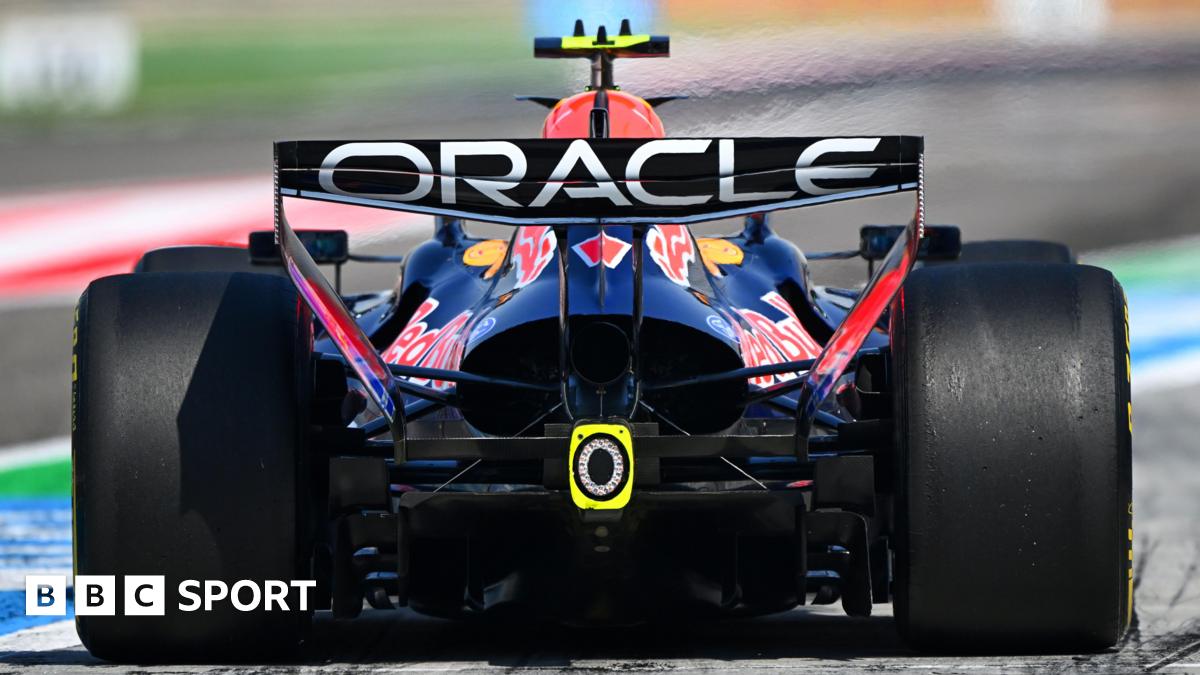
The plan was elegant in its simplicity: introduce revolutionary new power units for 2026, watch teams adapt brilliantly, then sit back and admire the engineering marvel that would define F1’s future. The execution, naturally, involved admitting those same power units are fundamentally broken before the season is even halfway done.
In what can only be described as a masterpiece of premature problem-solving, F1’s governing bodies have agreed to completely redesign the engine regulations for 2027 after finally acknowledging that the current crop of power units suffers from what technical experts are diplomatically calling “insurmountable conceptual flaws.”
The 2026 regulations, you’ll recall, were supposed to herald a new era of efficiency and performance. Teams spent the better part of three years and approximately seventeen billion dollars developing power units that would showcase F1’s technological prowess. In hindsight, perhaps someone should have asked whether the fundamental concept actually worked before mandating it for an entire grid.
'So we're changing the engines again? I haven't even figured out these ones yet.'
— Mystery engineer, probably everyone
Probably. We weren't on that frequency.
The current power units, introduced with great fanfare at the start of this season, have produced what can charitably be described as “mixed results.” Mercedes appears to have cracked the code, Ferrari has found a workable compromise, and everyone else is discovering new and creative ways to make horsepower disappear into the ether. Red Bull Powertrains, in particular, seems to have developed an engine that functions perfectly in theory and catastrophically in practice.
The decision to overhaul the regulations came after a series of increasingly frantic meetings between team principals and FIA officials. Sources suggest the turning point was when someone finally asked the question everyone had been avoiding: “What if we just made a really expensive mistake?”
The answer, apparently, was yes.
What makes this situation particularly delicious is the timing. We’re four races into a season that was supposed to showcase these revolutionary power units, and the sport has already thrown in the towel. Teams that spent fortunes developing these engines now get the privilege of spending more fortunes developing completely different engines for next year.
'Can we just go back to the old engines? At least those ones worked.'
— Unnamed team principal, during emergency meeting
We found this written on a napkin in the McLaren hospitality.
The new 2027 regulations promise to address the “fundamental issues” with the current power units, though officials have been remarkably vague about what those issues actually are. Industry insiders suggest the problems range from basic thermodynamic impossibilities to the minor detail that nobody can actually manufacture the components reliably.
In hindsight, the warning signs were everywhere. The delayed homologation deadlines, the mysterious “software calibration issues,” the fact that half the grid was still figuring out how to start their cars properly in Melbourne. But F1 has always been optimistic about its ability to engineer its way out of engineering problems.
The truly impressive part is how this announcement manages to be both completely predictable and utterly surprising. Predictable because anyone paying attention could see these power units were fundamentally compromised. Surprising because admitting failure and starting over mid-season represents a level of pragmatic decision-making that F1 doesn’t typically demonstrate.
Teams are now faced with the delightful prospect of developing two sets of power units simultaneously: finishing the development of their already-broken 2026 units while designing entirely new ones for 2027. It’s the kind of parallel processing that would make a quantum computer weep.
The manufacturers, to their credit, are taking this news with the stoic resignation of people who’ve been expecting this call for months. Mercedes seems genuinely disappointed they won’t get to enjoy their current advantage longer. Ferrari is probably relieved they don’t have to pretend their engine works properly. Red Bull Powertrains is likely just happy someone finally acknowledged that their power unit isn’t supposed to sound like that.
What this means for the remainder of the 2026 season is anyone’s guess. Teams will presumably continue racing with their fundamentally flawed power units while secretly dedicating all their resources to not making the same mistakes twice. It’s the automotive equivalent of renovating your house while living in it, if your house was also traveling at 200 mph and being televised globally.
The FIA has promised a “comprehensive consultation process” for the 2027 regulations, which presumably means they’ll ask teams what they actually want before mandating something completely different. Revolutionary stuff, really.
In the meantime, we get to enjoy the spectacle of watching F1 pretend that everything is fine while frantically redesigning the fundamental technology that makes the sport possible. It’s chaos theory in action: small regulatory decisions creating massive systemic failures that nobody saw coming, except for everyone who did.
The 2027 season promises to be interesting, assuming they can actually build engines that work by then. In hindsight, that might be optimistic.