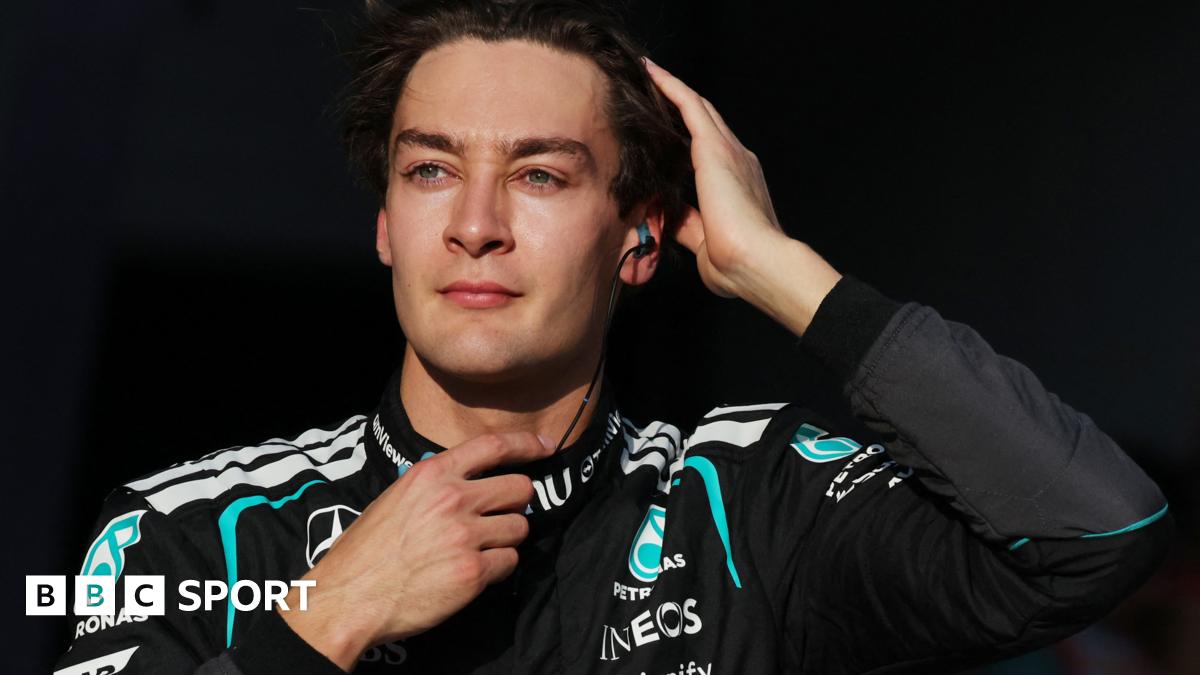
The plan was simple: George Russell, the steady hand, the experienced campaigner, would guide Mercedes through the new regulations while mentoring his promising young teammate. Championship mathematics would favor the veteran who’d learned to win.
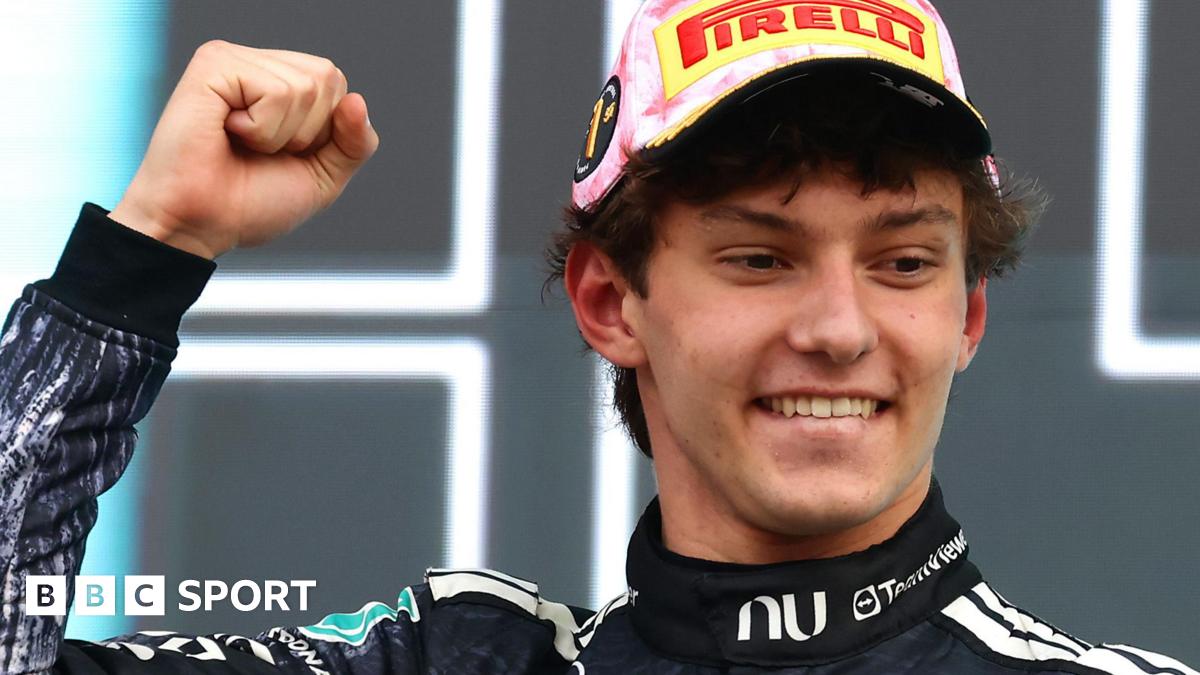
The reality is that Kimi Antonelli has turned those mathematics into advanced calculus, and Russell is still trying to figure out basic addition.
Following another weekend where the 19-year-old Italian made winning look as routine as checking tire pressures, Russell emerged with the kind of optimistic media soundbites that sound increasingly hollow with each Antonelli victory celebration. “I love the competition,” Russell insisted after Miami. “It brings out the best in me.”
'I love the competition, it brings out the best in me'
— Russell, presumably with straight face
Reconstructed from memory. And by memory, we mean imagination.
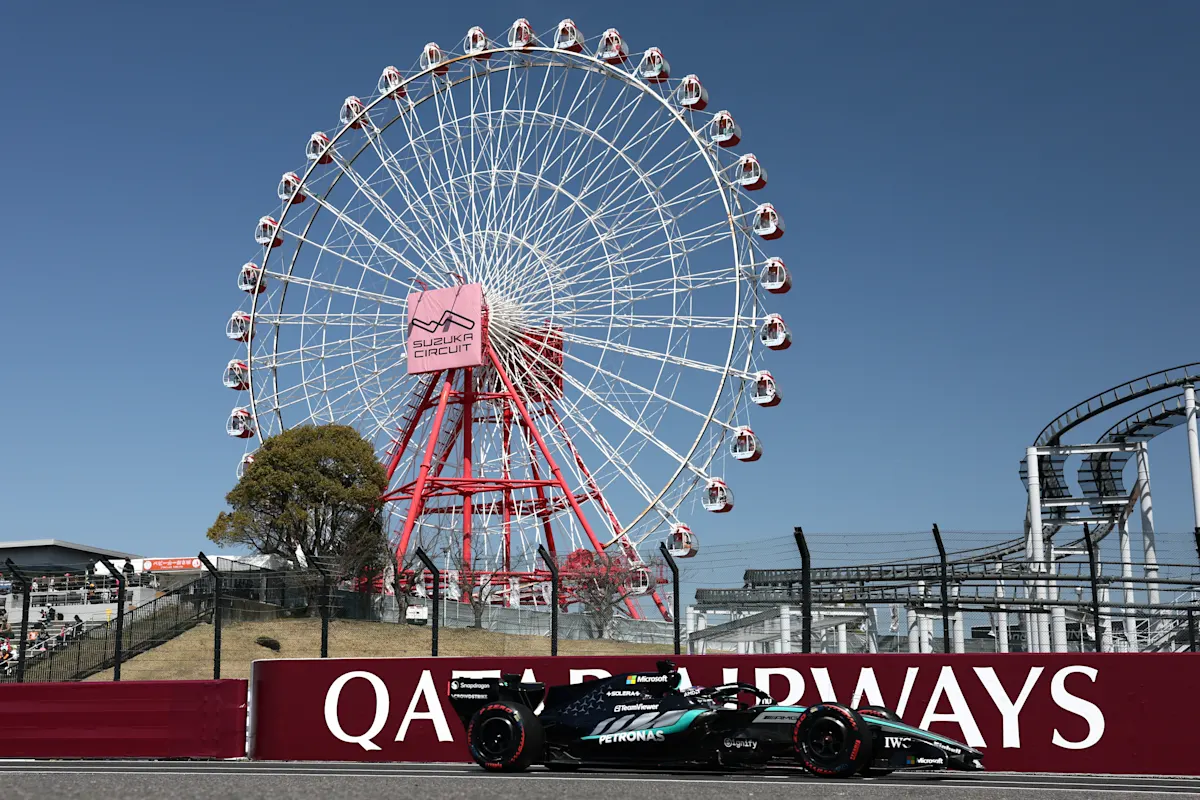
The “best” in question appears to be a consistent second-place finish to his teammate who treats F1 weekends like a particularly engaging video game. Russell’s season reads like a masterpiece of almost: pole position in Australia, victory gifted by team orders. Strong pace in China, overshadowed by Antonelli’s dominant win. Promising qualifying in Japan, race victory somehow slipping away to the kid who makes it look effortless. Miami brought another front-row start and another Sunday watching Antonelli disappear into the distance.
Damon Hill, never one to sugarcoat uncomfortable truths, raised the question that Mercedes’ PR department probably wishes would disappear: whether Russell’s mindset can handle being systematically outperformed by someone who could legally drink in America for the first time last month. It’s a fair point wrapped in the kind of diplomatic language that translates roughly to “your teammate is making you look ordinary.”
The championship standings tell the story Russell’s media interviews try to avoid. Antonelli leads with 88 points from four races, including three victories that came with the kind of controlled dominance usually reserved for seasoned champions. Russell sits second with 61 points, a healthy total that would look impressive if it weren’t being overshadowed by a teenager who treats winning like a weekend hobby.
Russell’s public stance remains admirably professional. He speaks about learning from his teammate, about the competition raising both their games, about Mercedes having the luxury of two strong drivers. It’s the kind of measured response you’d expect from someone who’s spent years crafting the perfect media persona.
'The gap is smaller than it looks, we'll get them next time'
— Russell, after finishing 18 seconds behind Antonelli in Miami
Decoded from aggressive helmet visor tapping.
The mathematics Russell faces aren’t just about points – though trailing by 27 after four races isn’t exactly ideal. They’re about perception, about legacy, about what it means when the sport’s next generational talent happens to be sitting in the garage next to yours. Russell has spent years positioning himself as Mercedes’ future, only to discover the future had other plans and speaks with an Italian accent.
There’s something almost endearing about Russell’s continued optimism in the face of mounting evidence that his teammate might simply be operating on a different level. He analyzes data, discusses setup changes, speaks confidently about finding those extra tenths. Meanwhile, Antonelli appears to drive on instinct and natural speed that can’t be coached or learned.
The Canadian Grand Prix looms as another opportunity for Russell to prove that experience and determination can match raw talent. The championship mathematics still allow for a comeback – 18 races remain, and stranger things have happened in F1. Russell’s task is straightforward: find a way to consistently beat someone who makes winning look as natural as breathing.
Until then, Russell can continue loving the competition. Whether the competition loves him back remains to be seen.