When Ayrton Senna spoke about fear, he meant the terror of kissing a concrete barrier at 180mph with nothing but a glorified bicycle helmet for protection. When today’s drivers discuss mental health, they mean the anxiety of choosing between sponsored watch brands for their next Instagram story.
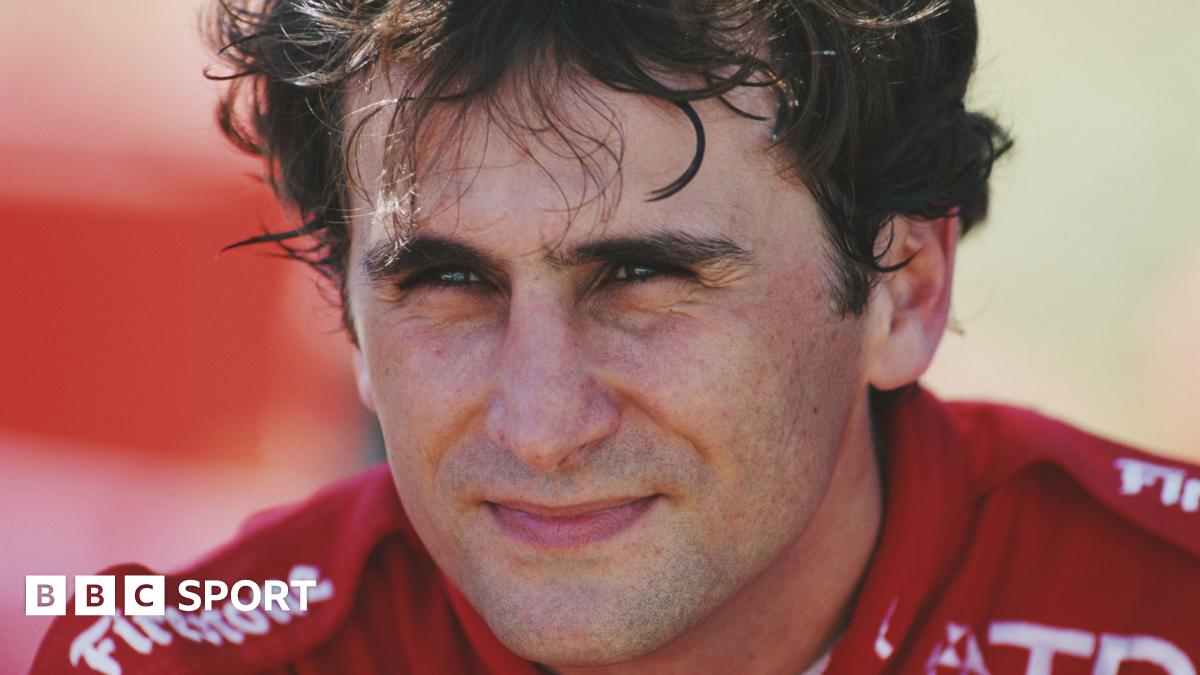
The death of Alex Zanardi at 59 strips away the comfortable delusion that modern Formula 1 understands anything about genuine adversity. Here was a man who lost both legs in a racing accident that would have ended most careers and most spirits, then proceeded to redefine what human determination actually looks like. Paralympic gold medals, handcycling world records, inspirational speaking—all achieved without a single hashtag or awareness campaign.
Compare that legacy to the current paddock’s approach to hardship. Every minor setback becomes content for the next Netflix episode. Every personal struggle transforms into a carefully managed PR opportunity complete with mental health partnerships and branded merchandise. The difference between Zanardi’s quiet strength and today’s performative vulnerability is the difference between titanium and tissue paper.
'We need to be more open about mental health struggles in motorsport, you know? It's so important to raise awareness.'
— Generic current driver, probably during mandated media session
Sourced from a WhatsApp group we definitely should not be in.
The Italian lost his legs at the Lausitzring in 2001, a crash so violent it should have killed him. Instead of retreating into comfortable retirement with his F1 pension, Zanardi returned to racing with hand controls. Not for the cameras or the inspiration porn, but because racing was who he was. The Paralympic golds and world records came later, earned through years of grinding work that Instagram stories could never capture.
Modern F1 drivers struggle with the mental challenge of… what exactly? DRS zones that don’t open properly? Team orders that hurt their feelings? The crushing pressure of choosing between seventeen different energy drink flavors in the hospitality suite? Meanwhile, Zanardi was relearning how to drive a race car with prosthetic legs and hand controls, setting lap times that would embarrass half the current grid.
The current generation mistakes visibility for virtue. They confuse talking about mental health with actually demonstrating mental strength. Zanardi never needed to announce his resilience on social media because he lived it every day, in every race, with every challenge he turned into an opportunity.
'Alex was the definition of never giving up. Incredible human being. RIP legend.'
— Multiple drivers, identical posts across social media
Unverified. Our paddock sources are unreliable at best.
Watch how quickly today’s tribute posts will fade from the timeline, replaced by the next sponsored content or manufactured controversy. Zanardi’s legacy won’t need constant refreshing because it was built on substance, not sentiment. He proved that real heroism doesn’t require an audience or approval—just the quiet courage to keep pushing forward when every rational voice says stop.
The modern paddock could learn something from studying Zanardi’s approach to adversity, but that would require looking beyond the metrics of engagement and influence. It would mean understanding that true mental strength isn’t performed for cameras but demonstrated through action, day after grinding day.
Alex Zanardi didn’t just overcome his accident—he transcended it. That’s a lesson worth more than a thousand awareness campaigns and infinitely more valuable than any social media strategy. Some legacies are too genuine for the current generation to fully comprehend.