According to Article 30.1 of the Sporting Regulations, practice sessions are intended to allow teams to prepare their cars for qualifying and the race. What the regulations fail to specify is that for Ferrari, this preparation primarily involves building false hope before dismantling it with surgical precision.
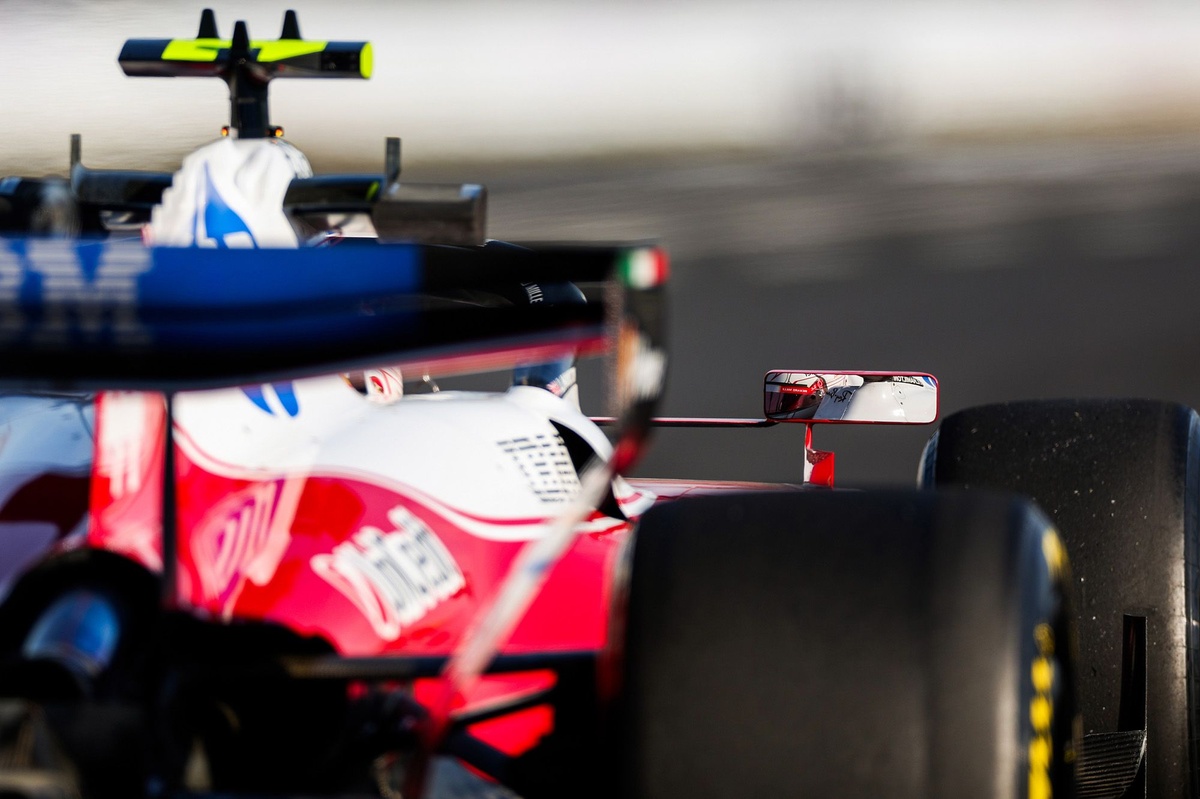
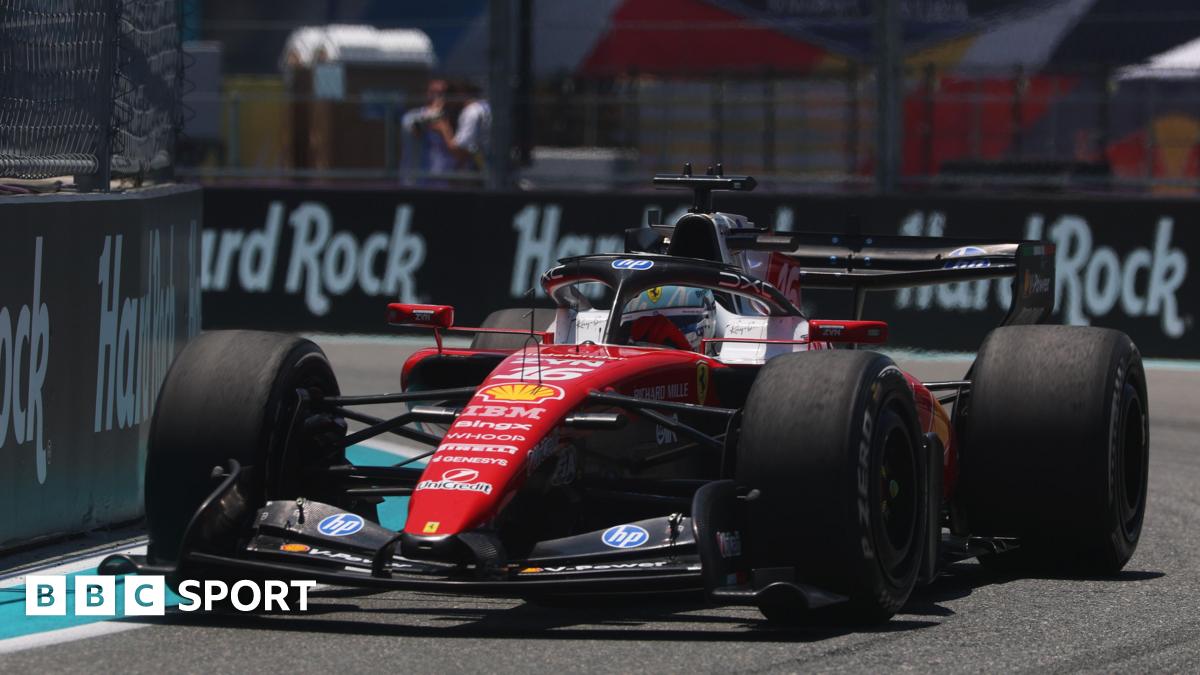
Charles Leclerc topped Friday’s practice session at Miami International Autodrome, posting a time that had the Tifosi briefly believing their prayers had been answered. The Monégasque driver looked genuinely quick through the technical sectors, his SF-26 dancing through the chicanes with the sort of grace that suggested Ferrari had finally unlocked something meaningful from their latest upgrade package.
'The car feels amazing, we can fight for pole today'
— Leclerc, Friday practice
Probably. We weren't on that frequency.
Then sprint qualifying arrived, and with it, the familiar sight of Mercedes and McLaren finding pace that Ferrari apparently left in the practice session debrief room. Kimi Antonelli claimed sprint pole with a lap that made Leclerc’s practice heroics look like a mirage in the Florida heat. The young German’s Mercedes continues to be the benchmark when sessions actually matter, while Ferrari’s Friday pace disappeared faster than complimentary drinks at an FIA gala.
This pattern has become as predictable as Max Verstappen complaining about the new regulations. Ferrari shows genuine speed during practice sessions, engineering departments get excited about data correlation, and then reality arrives wearing a Mercedes or McLaren logo. It’s the automotive equivalent of Charlie Brown attempting to kick the football, except Lucy is wearing red overalls and speaking Italian.
The technical explanation involves tire preparation, fuel loads, and engine modes, but the practical translation remains consistent: Ferrari excels at looking fast when it doesn’t count. Their practice pace generates headlines and hope in equal measure, only to evaporate when points are actually distributed.
'We need to understand what happened between practice and qualifying'
— Ferrari race engineer, post-qualifying
Intercepted via a suspiciously open team radio channel.
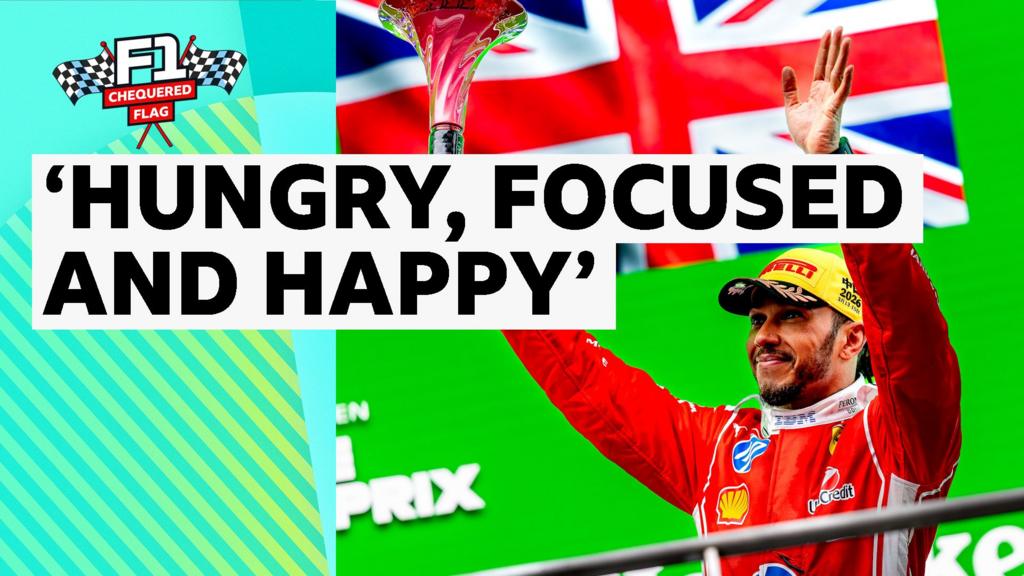
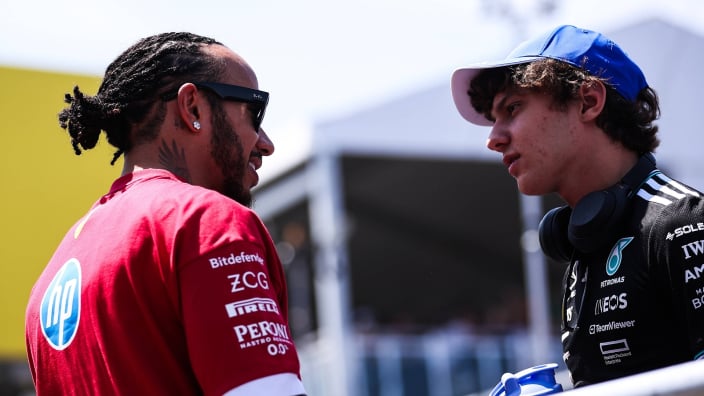
Lewis Hamilton, meanwhile, continues adapting to Ferrari’s unique ability to transform promising machinery into strategic puzzles. The seven-time champion has experience with dominant cars, but adjusting to Ferrari’s particular brand of optimism requires different skills entirely. His patience during practice sessions now carries the weary wisdom of someone who’s learned not to get too excited about Friday timesheets.
The weekend’s actual competitive order emerged during sprint qualifying, with Antonelli demonstrating why he leads the championship and Ferrari demonstrating why practice sessions should come with disclaimer notices. Mercedes found their race pace exactly when needed, while Ferrari’s engineers began the familiar process of explaining how their Friday performance had mysteriously vanished.
For Ferrari fans, this represents another entry in their extensive catalog of hope followed by recalibrated expectations. The practice session provided genuine reasons for optimism, complete with sector times and telemetry data supporting their enthusiasm. Sprint qualifying then delivered the traditional reality adjustment, served with a side of Mercedes superiority.
The regulations governing practice sessions make no mention of psychological preparation for disappointment, but Ferrari has developed their own supplementary guidelines in this area. Their ability to generate Friday excitement remains unmatched, even if converting it into weekend results continues to present challenges that would puzzle quantum physicists.