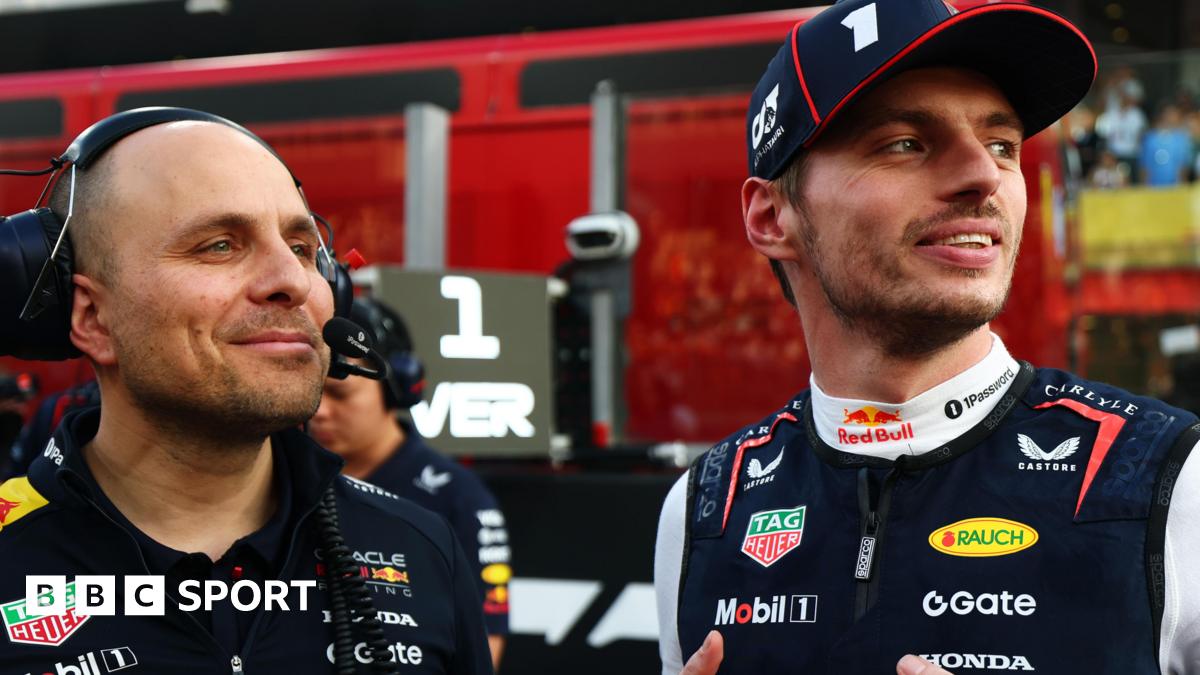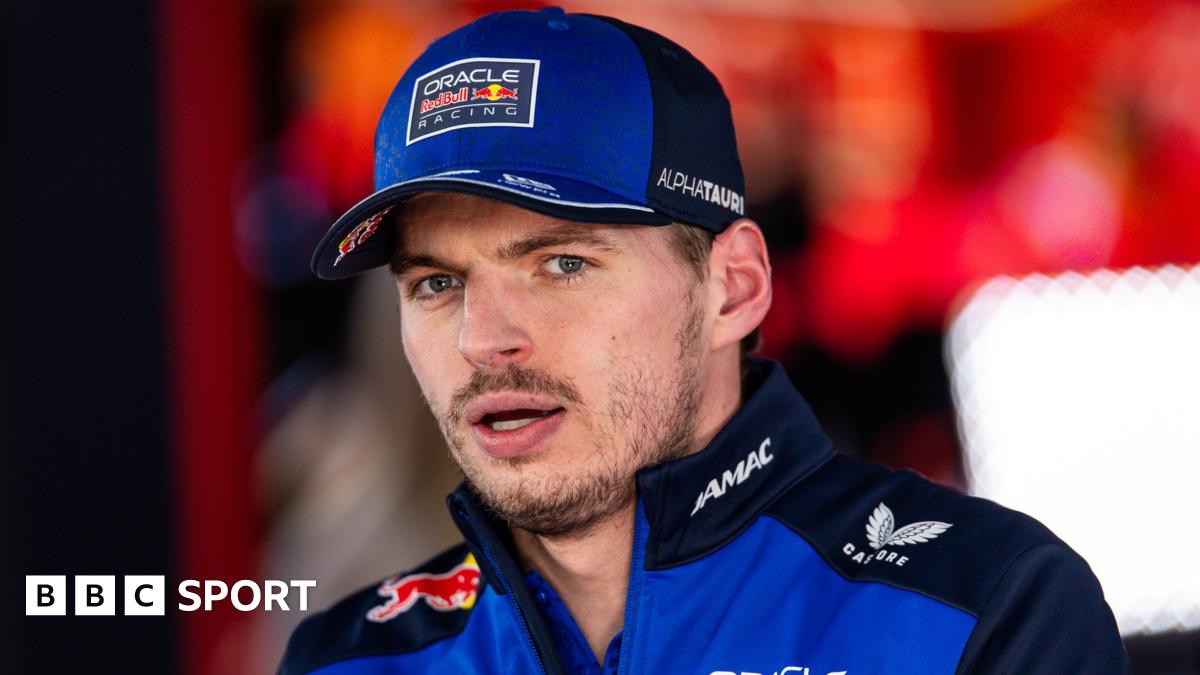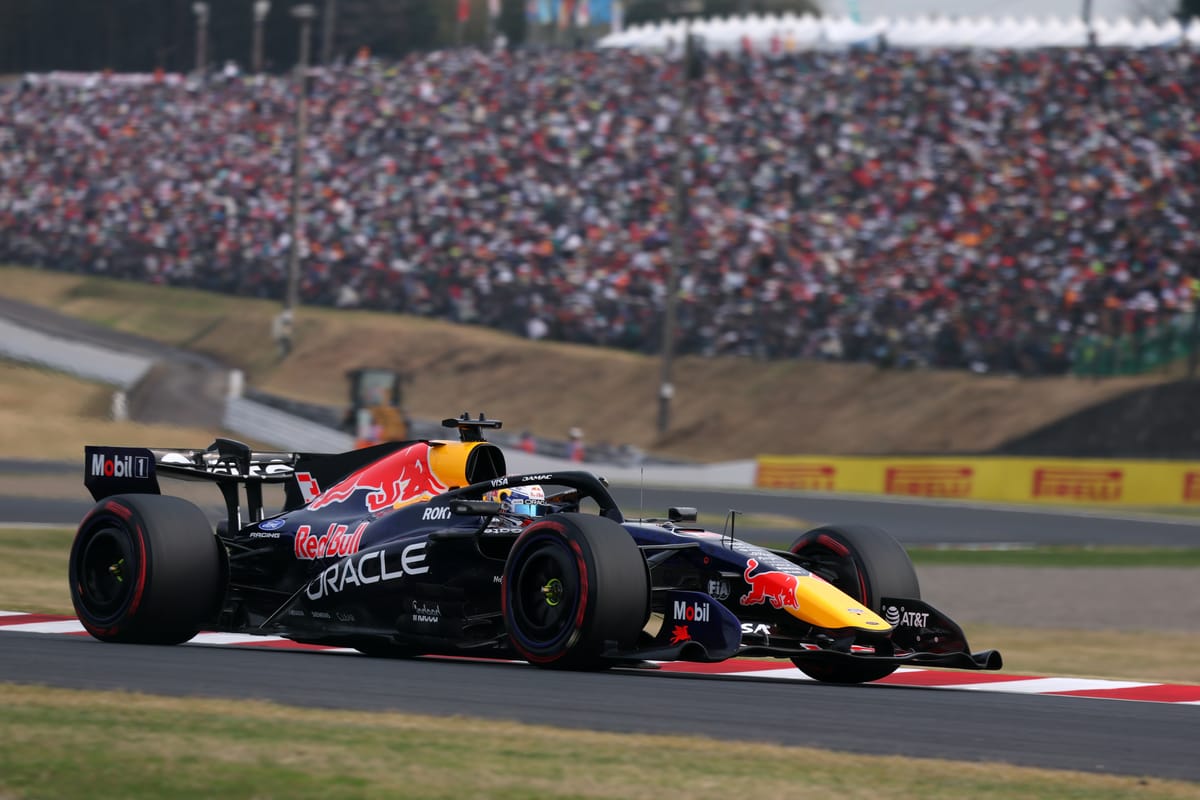
Turn 3 at Miami, lap 47 of qualifying simulation runs. The telemetry showed normal brake pressure, standard downforce settings, regulation-compliant everything. What it couldn’t measure was the exact moment Max Verstappen’s soul left his body and began floating toward the nearest golf course.
The three-time world champion has apparently discovered motorsport’s equivalent of quiet quitting: complaining so relentlessly about every aspect of Formula 1 that retirement becomes less career decision than humanitarian intervention. Damon Hill, ever the voice of diplomatic reason, suggested this week that perhaps Verstappen might benefit from “a break” if he’s no longer enjoying the sport following the 2026 regulation changes.
Revolutionary stuff, really. Most drivers wait until they’re physically incapable of competing or contractually unwanted before considering retirement. Verstappen has pioneered the advanced technique of psychological self-sabotage through sustained public misery.
'These regulations are killing the sport, honestly. Nothing makes sense anymore.'
— Verstappen, post-qualifying Miami
Allegedly. Our legal team made us add that.
The timing is exquisite. Red Bull’s RB22 has shown early-season struggles adapting to the new technical regulations, coinciding perfectly with their star driver’s transformation into F1’s premier professional pessimist. Four races in, Verstappen sits fifth in the championship behind the Mercedes duo of Antonelli and Russell, plus both Ferrari drivers. His best result remains that P4 in Australia, achieved while providing live commentary on everything wrong with modern Formula 1.
Hill’s observation carries the gentle diplomatic weight of someone who’s watched champions navigate the delicate transition from dominance to irrelevance. “If you’re not enjoying it anymore, maybe it’s time to step back,” he suggested, presumably while Verstappen was elsewhere explaining to journalists why DRS zones are positioned incorrectly at every circuit.
The evidence supports Hill’s assessment. Verstappen’s post-session interviews have evolved from tactical analysis to existential crisis documentation. The man who once celebrated victories with the enthusiasm of someone discovering fire now discusses racing with the passion typically reserved for tax preparation.
'Max, we need to focus on the positives here—' 'What positives, GP? Tell me what positives.'
— Verstappen and Lambiase, race radio China
Decoded from aggressive helmet visor tapping.
What makes this particularly fascinating is the precedent it sets. Traditional retirement announcements involve heartfelt statements about new challenges and gratitude for opportunities. Verstappen appears to be beta-testing the approach of complaining so consistently about his workplace that everyone eventually agrees he should probably leave.
Red Bull, meanwhile, finds itself in the unique position of trying to motivate a driver who treats every regulation change like a personal attack on his ancestors. Team principal Christian Horner’s recent comments about “rediscovering the joy” suggest even Red Bull recognizes their star asset has achieved the remarkable feat of being simultaneously successful and miserable.
The broader implications extend beyond one driver’s career trajectory. If Verstappen’s method proves effective, we might witness a new era of strategic retirement planning through sustained public dissatisfaction. Why announce retirement when you can simply complain your way out of the sport?
For now, Formula 1 watches as its most recent dominant force discovers that winning everything isn’t necessarily the path to happiness. The sport will survive Verstappen’s eventual departure, whenever and however it arrives. Whether Verstappen will survive his current approach to expressing job dissatisfaction remains the more pressing question.
The championship continues without regard for individual existential crises. Antonelli leads by 15 points, Mercedes has rediscovered competitiveness, and Ferrari shows renewed purpose with Hamilton finally settling in. Meanwhile, in the Red Bull garage, the sound of success slowly transforms into the white noise of professional discontent.
Turn 3 at Miami captured more than just another qualifying lap. It documented the precise moment when winning stopped being enough.