Time: 14:30 local time, Saturday, May 2nd, 2026
Place: Miami International Autodrome, Turn 1 press conference room
Incident: Formula 1 discovers weather can be predicted in advance
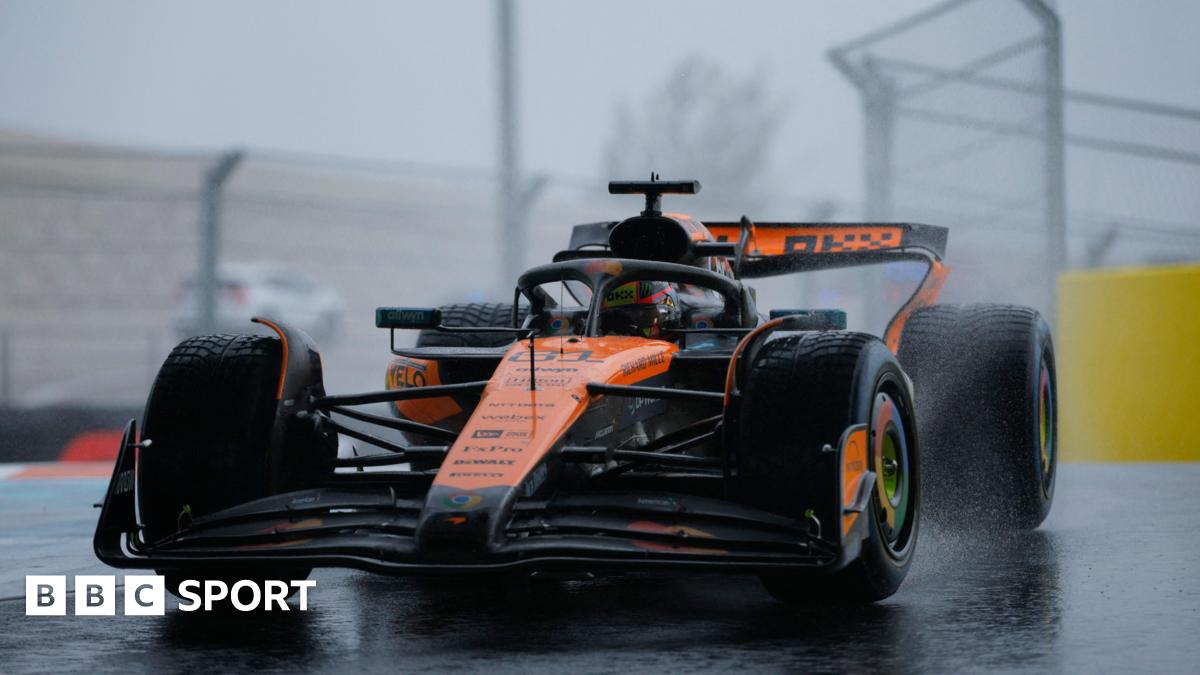
In a stunning display of forward thinking that would make a Victorian railway timetable planner weep with pride, the Miami Grand Prix has announced it will start three hours earlier than originally scheduled due to — brace yourselves — the possibility of thunderstorms later in the day.
Yes, you read that correctly. F1 has discovered that meteorologists exist, weather forecasts are available, and races can theoretically be moved to avoid the kind of biblical downpours that have historically turned Miami into a very expensive aquarium.
The race will now commence at 18:00 BST (2:30 PM local time) instead of the originally planned 21:00 BST slot, after someone at the FIA apparently looked up at the sky, noticed some clouds, and had what can only be described as an epiphany of basic event planning.
'Wait, we can actually move the race time? Since when?'
— Team principal, discovering time isn't fixed
Our lip-reading intern swears this is what was said.
According to Article 2.1 of the Sporting Regulations, race start times can indeed be modified “for reasons of force majeure or safety.” Apparently, “looking at a weather app” now qualifies as revolutionary safety planning rather than, you know, basic competence.
The evidence presented to the stewards (read: anyone with access to weather.com) suggested that South Florida — a region famous for its predictable afternoon thunderstorms from May through October — might experience some precipitation later in the day. Shocking stuff, really. Next they’ll be telling us that Monaco has narrow streets and Monza is quite fast.
This groundbreaking approach to scheduling represents a marked departure from F1’s traditional strategy of staring blankly at approaching storm clouds while insisting the show must go on, then acting surprised when cars start hydroplaning into barriers or sessions get red-flagged for three hours.
The FIA’s statement praised their “proactive approach to weather management,” which is rather like praising someone for their “innovative approach to breathing” or “cutting-edge strategy of eating when hungry.”
'So you're telling me we could have avoided Spa 2021 by just... starting earlier?'
— Race director, having uncomfortable realization
Source: the voices in our engineer's headset.
Of course, this remarkable display of common sense raises uncomfortable questions about previous weather-related disasters. Remember Spa 2021, when half points were awarded after three laps behind the safety car in monsoon conditions? Or the numerous sessions that have been delayed, postponed, or turned into glorified parade laps because someone apparently forgot that rain makes track slippery?
The verdict from this steward’s office: While we applaud Miami’s discovery that weather forecasts exist and schedules can be adjusted accordingly, we’re docking points for taking 76 years of Formula 1 history to figure this out.
Revolutionary innovation: 10/10
Timing of said innovation: 2/10
Our faith in basic competence: Restored, temporarily
Perhaps next week we’ll witness another breakthrough in modern event management — like having umbrellas available when it’s raining, or scheduling night races when it’s hot. The possibilities are endless when you apply this level of forward thinking.