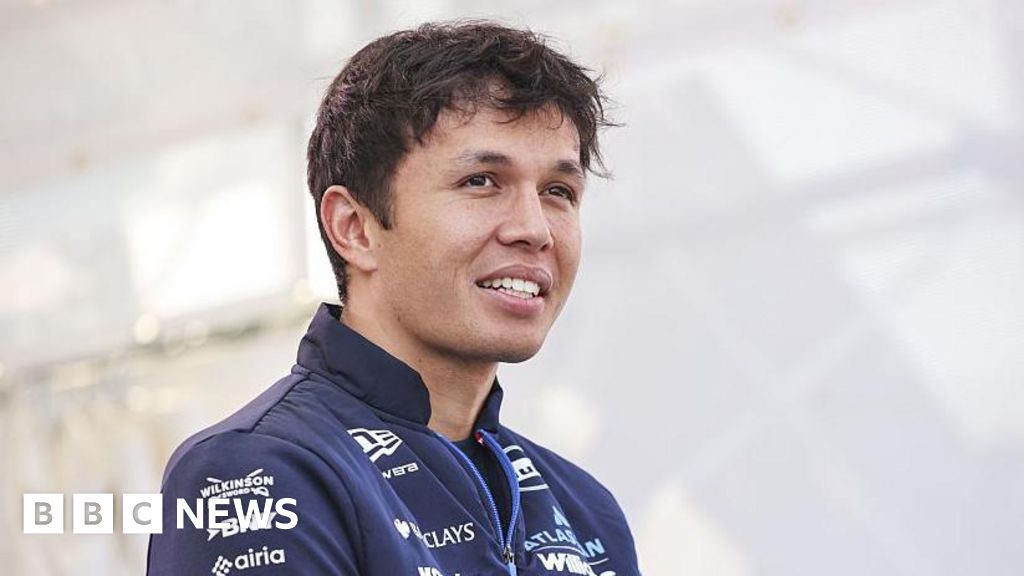
Turn 3 at Miami International Autodrome. Alex Albon slides his Williams through the chicane with surgical precision, the kind of smooth rhythm that comes from a driver completely at peace with his environment. No drama. No chaos. Just pure focus.
Meanwhile, back at Williams HQ, someone finally connected the dots.
The Grove outfit has stumbled upon their most revolutionary strategy yet: letting their drivers actually concentrate on driving instead of managing complicated personal situations. Groundbreaking stuff, really.
Alex Albon spent the five-week break between Shanghai and Miami doing what most F1 drivers do – preparing for the next race. The twist? His biggest logistical challenge was coordinating feeding schedules for his 14 cats. Not contract negotiations. Not media scandals. Not explaining why the team forgot to fuel the car properly.
Just cats. Beautiful, simple cats.
'The cats are actually more predictable than our pit wall decisions. At least when they knock something over, it's intentional.'
— Albon, during Miami preparation
We found this written on a napkin in the McLaren hospitality.
It’s taken Williams roughly four decades to realize that having a driver whose biggest off-track concern is whether Mr. Whiskers gets along with the new rescue kitten might actually be preferable to their usual cocktail of strategic disasters and timing miscalculations.
The Thai-British driver has been methodically building his feline empire during the sport’s brief respites. Fourteen cats now call his place home, each apparently better at race strategy than Williams’ actual strategists. The beauty lies in the simplicity – cats sleep 16 hours a day, eat when hungry, and don’t require complex explanations about why the team pitted under a safety car when everyone else stayed out.
Compare this to Williams’ traditional approach of creating maximum chaos for minimum gain. Remember when they forgot to put enough fuel in their cars? Or when they called both drivers in for the same pit window? Those were the days when Williams thought complexity equaled competence.
Now they’ve got Albon managing a small zoo with the organizational skills of a seasoned logistics coordinator. The man has feeding rotations down to a science, veterinary appointments scheduled months in advance, and somehow still finds time to analyze telemetry data and work on his fitness regime.
'Alex has better contingency planning for his cats than we used to have for our race weekends.'
— Williams team member, anonymous
Overheard through three walls of hospitality unit. Accuracy not guaranteed.
The revelation has apparently spread through the Williams factory like wildfire. Sources suggest the team is now modeling their race weekend preparations on Albon’s pet management system. Clear schedules. Backup plans. Multiple contingencies for when things go sideways.
It’s almost like having a driver who approaches problems methodically and doesn’t create unnecessary drama translates to better on-track performance. Who could have predicted such sorcery?
The timing couldn’t be better as Miami approaches. While other drivers spent the break dealing with contract negotiations, sponsor commitments, or explaining their latest social media controversies, Albon was perfecting the art of keeping 14 different personalities happy and healthy.
Skills that transfer surprisingly well to managing tire degradation and energy deployment, apparently.
Williams has finally discovered what successful teams have known for years: sometimes the best strategy is the simplest one. Let your drivers focus on driving. Keep the complications to a minimum. And if your biggest off-track concern is making sure the cats get their dinner on time, you’re probably doing something right.
The revolution continues. One purr at a time.