Madonna santissima, watching Cadillac stumble through their first F1 season is like watching your American cousin try to make proper pasta — all the right ingredients, boundless enthusiasm, but missing that essential understanding that some things require generations of accumulated disappointment to perfect.
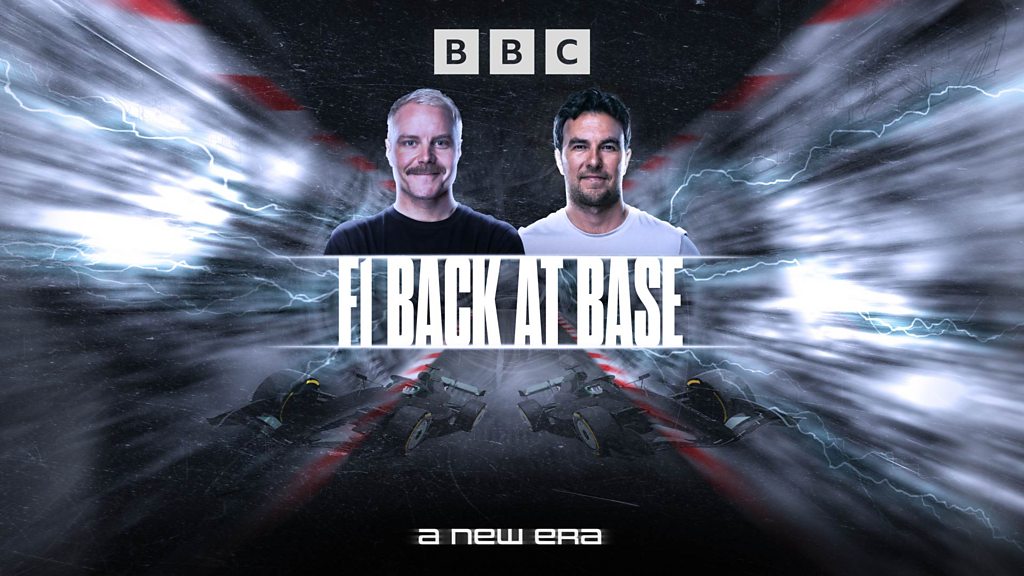
BBC’s “Back at Base” feature has been following the newest team on the grid, and what emerges is a portrait of American corporate confidence colliding headfirst with Formula 1’s uniquely European brand of organized chaos. It’s beautiful in the way that watching someone confidently walk into a glass door is beautiful — you feel bad, but you can’t look away.
The documentary captures Cadillac’s early-season struggles with the kind of brutal honesty that makes you wonder if they forgot the cameras were rolling. Here’s a team that arrived with Detroit swagger, Ferrari engines, and the kind of can-do attitude that assumes every problem has a solution if you just throw enough resources at it. What they discovered is that F1 doesn’t care about your quarterly projections — it feeds on crushed dreams and strategic miscalculations.
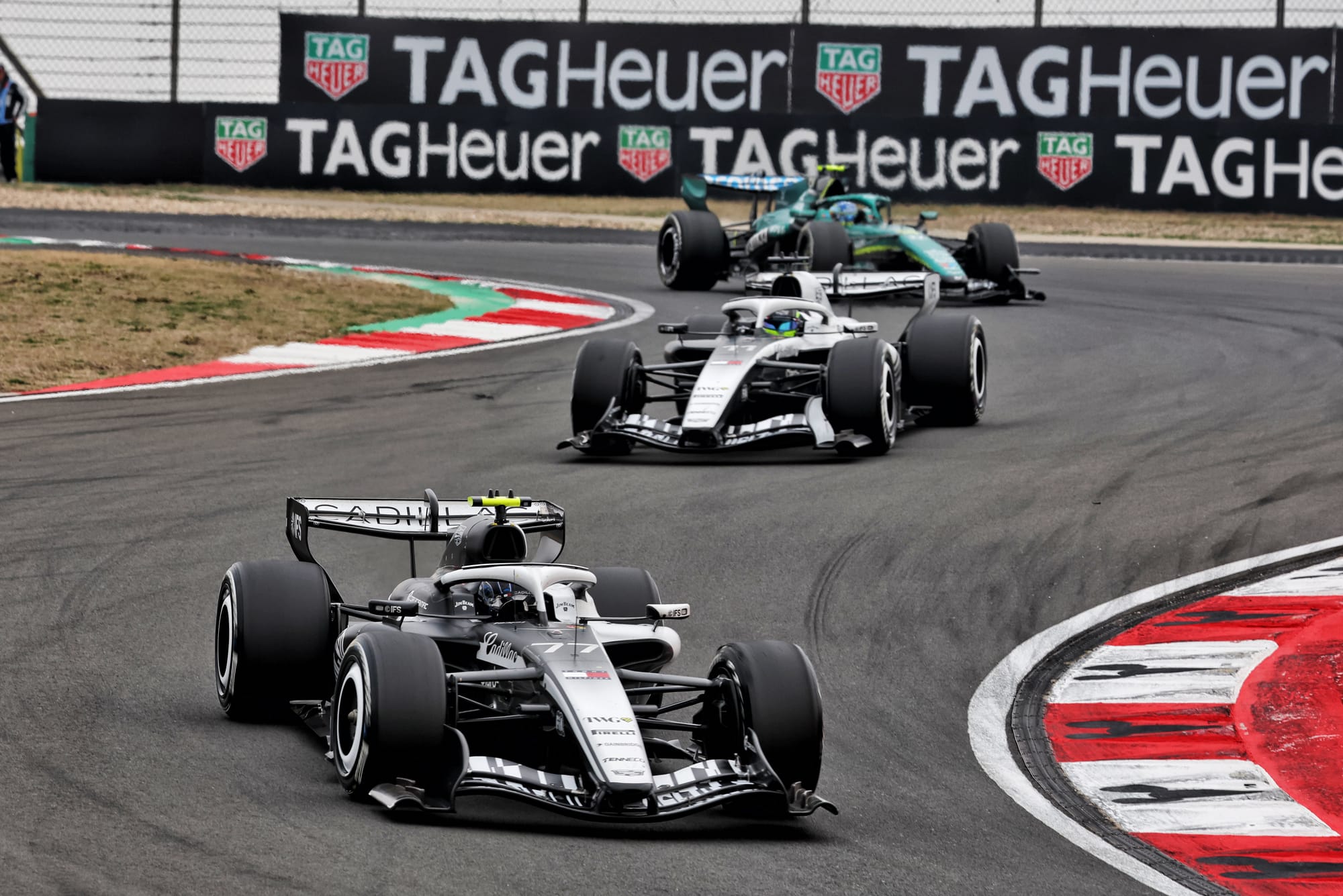
Take their Melbourne debut, where both Sergio Perez and Valtteri Bottas finished outside the points despite starting from respectable grid positions. The footage shows team principal wandering the garage with the expression of someone who just realized their GPS has been leading them in circles for three hours. This wasn’t supposed to happen. The business plan clearly indicated points were achievable by Round 3, maximum.
'Wait, so we can't just pit for fresh rubber whenever we feel like it? This isn't NASCAR!'
— Cadillac race engineer, learning about tire allocation
This may or may not have happened between lap 3 and the chequered flag.
What’s particularly delicious is watching Perez and Bottas — two drivers with decades of F1 experience between them — try to explain to their new American employers that sometimes the car is simply slow, and no amount of positive thinking will fix fundamental aerodynamic deficiencies. Bottas, bless him, has the patience of a Finnish monk, nodding along as team executives suggest they “circle back on the downforce situation” and “leverage synergies with the Ferrari engine package.”
The Chinese GP weekend provided even richer material. The cameras captured a strategy meeting where someone genuinely suggested they could “disrupt” tire strategy by going aggressive early. Perez’s face during this exchange belongs in the Louvre — pure Renaissance-era suffering. This is a man who spent years being strategically sacrificed by Red Bull, and even he looked concerned about Cadillac’s tactical ambitions.
But here’s what the BBC footage reveals that’s actually quite touching: beneath all the corporate speak and American bravado, there’s genuine passion. These people want to succeed, they’re just learning that F1 success requires a specific type of institutional knowledge that can’t be acquired through PowerPoint presentations or market research.
'Sergio, we need you to find two seconds per lap.' 'From where? The gift shop?'
— Perez, responding to unrealistic expectations
Probably. We weren't on that frequency.
The most revealing moment comes when a team executive asks why they can’t simply “iterate faster” on car development, as if F1 regulations were merely another business obstacle to be optimized away. The chief engineer’s response — a mix of technical explanation and barely concealed despair — perfectly encapsulates the culture clash at play.
What Cadillac is learning, and what the BBC documentary captures beautifully, is that F1 isn’t just about having fast cars and good drivers. It’s about understanding that sometimes your best-laid plans will be destroyed by a Safety Car on lap 47, that tire degradation doesn’t care about your quarterly targets, and that the difference between P10 and P11 can feel like the difference between success and existential crisis.
The American approach of throwing resources at problems until they disappear works in F1 — eventually. But first you have to understand exactly which problems need throwing at, and that wisdom only comes through seasons of beautiful, educational failure. Mercedes didn’t become dominant overnight. Ferrari has been perfecting the art of strategic disappointment for decades. Even McLaren needed years of humbling before their recent resurgence.
Cadillac arrived expecting American efficiency to translate directly to F1 success. Instead, they’re receiving a masterclass in European-style suffering — the kind that builds character, teaches patience, and occasionally produces moments of genuine brilliance.
By Miami, you can see the learning happening. The wild optimism has been tempered by reality, but it hasn’t disappeared entirely. They’re starting to ask better questions, make more realistic plans, and — crucially — listen more carefully to their drivers’ feedback.
It’s actually quite endearing, watching this transformation unfold on camera. Cadillac came to F1 thinking they could revolutionize the sport through American innovation. What they’re discovering is that sometimes the most revolutionary thing you can do is learn to fail properly, then build something lasting from those lessons.
Give them time. Every great F1 story begins with someone confidently walking into a glass door.