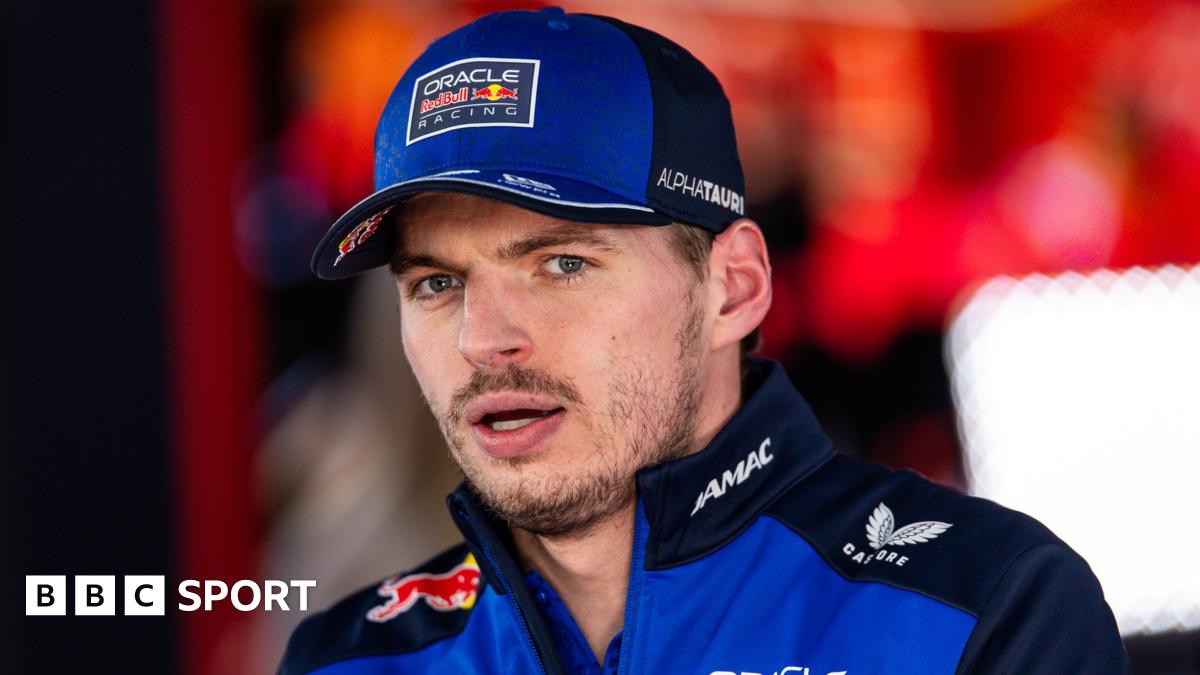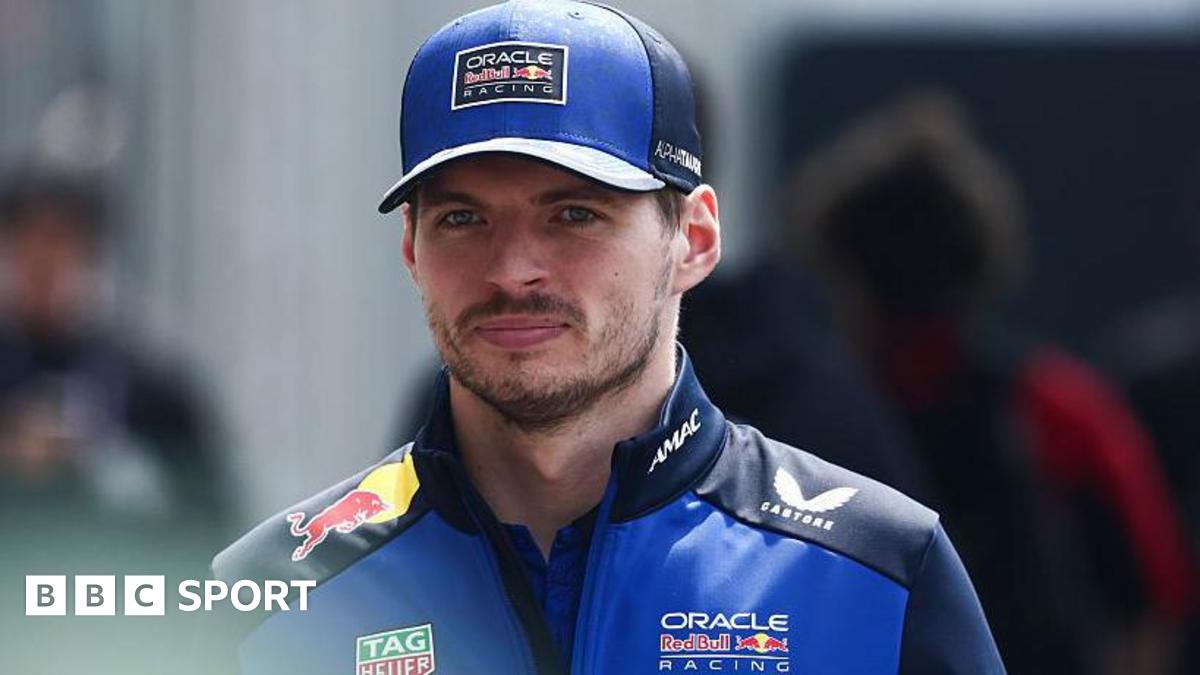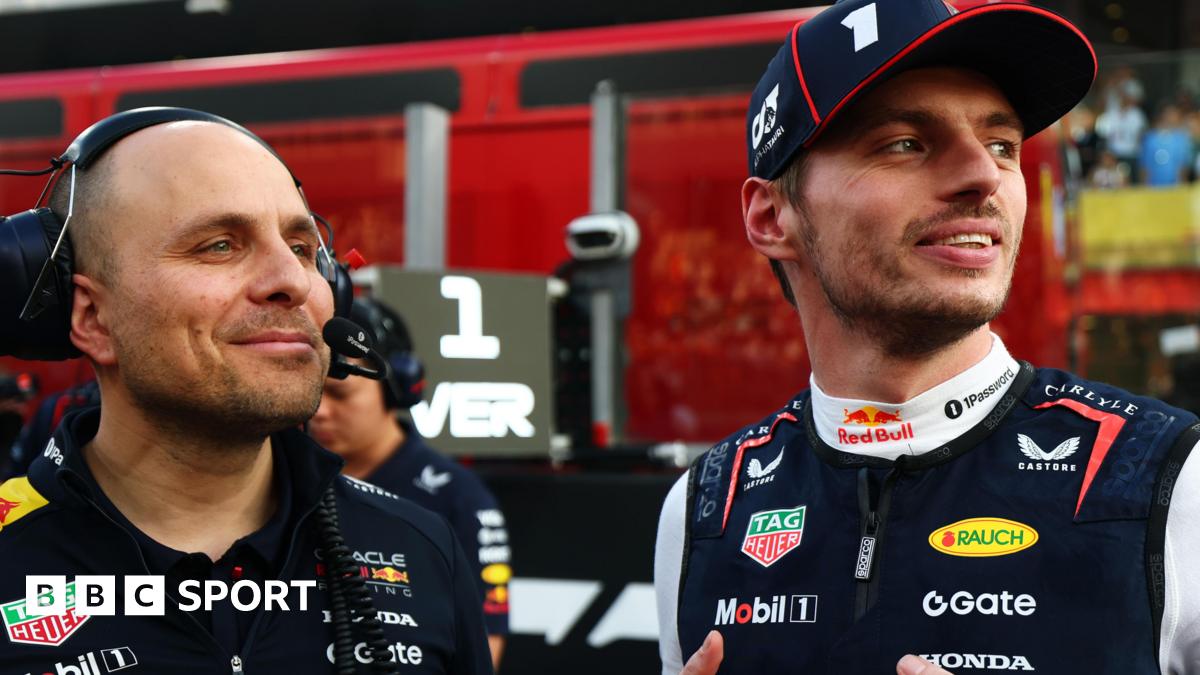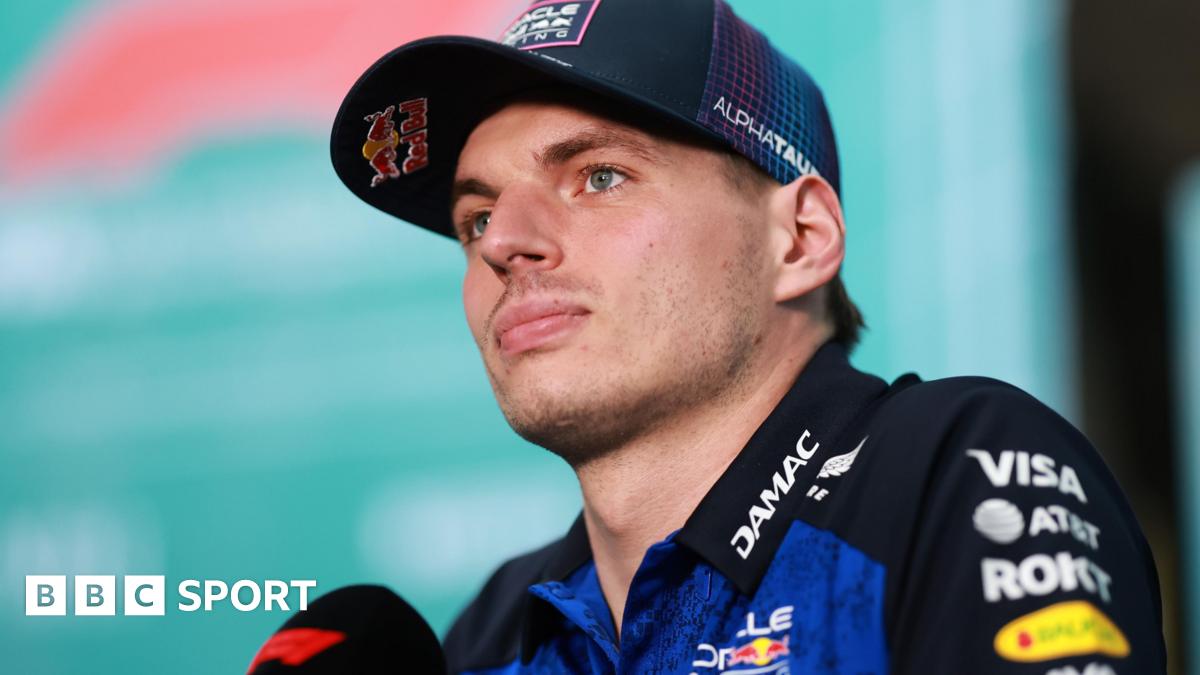
When Max Verstappen describes F1’s most comprehensive regulation changes in years as “just a tickle,” should we be impressed by his confidence or concerned about what that says about the sport’s ability to shake things up?
The three-time world champion’s casual dismissal of the 2026 technical regulations — designed specifically to level the playing field and address driver concerns about predictable racing — reveals a brutal truth: even F1’s own protagonists don’t believe the sport can manufacture genuine competition.
Wait, let me understand this correctly. The FIA spent three years crafting new aerodynamic rules, power unit specifications, and sporting regulations. Teams invested hundreds of millions adapting their designs. The stated goal was addressing driver complaints about processional racing and dominant teams. And Verstappen’s reaction is… a tickle?
'These new rules? They're just a tickle, honestly. We'll adapt, we always do.'
— Verstappen, post-practice interview
This quote has been neither confirmed nor denied. Classic F1.
The Dutch driver’s nonchalance would be more amusing if it weren’t so accurate. Through three rounds of the 2026 season, we’ve seen Mercedes dominate Australia, Kimi Antonelli become the youngest championship leader, and… well, different faces winning doesn’t necessarily mean unpredictable racing, does it?
But here’s what’s fascinating about Verstappen’s “tickle” comment: it’s not arrogance speaking, it’s experience. This is someone who watched Red Bull go from championship contenders to backmarkers to utterly dominant within regulation cycles. He knows that reshuffling the technical deck rarely eliminates hierarchy — it just reorders it temporarily.
The real question isn’t whether Verstappen should be worried about the new rules. It’s whether F1 should be worried that their most successful recent driver views major regulation changes as minor inconveniences. When your sport’s biggest winner treats your biggest shake-up as a gentle massage, what does that say about your ability to create genuine uncertainty?
'Max is right, you know. Good teams adapt, average teams complain about the rules.'
— Anonymous team principal, paddock conversation
Captured between the formation lap and someone unplugging the mic.
The most telling aspect of Verstappen’s assessment isn’t his confidence in Red Bull’s ability to adapt — though his current P4 championship position suggests that adaptation is still in progress. It’s his fundamental understanding that F1’s competitive balance issues run deeper than aerodynamic regulations or power unit formulas.
Superior organizations find advantages regardless of rule sets. Mercedes proved this during their hybrid era dominance. Red Bull demonstrated it during their recent championship runs. And now, ironically, Mercedes appears to be doing it again under the very regulations designed to prevent such dominance.
So when Verstappen calls these changes “just a tickle,” he’s not dismissing the complexity of the new rules or the challenge they present. He’s expressing supreme confidence in the sport’s ability to maintain its fundamental character: the best-resourced, best-organized teams will find ways to win, regardless of what the rule book says.
The uncomfortable truth for F1 is that Verstappen’s casual dismissal might be the most honest assessment of their regulatory revolution we’ve heard yet. If your most successful recent driver views your biggest changes as minor adjustments, perhaps the problem isn’t the drivers’ attitudes — it’s the assumption that technical regulations can solve systemic competitive imbalances.
Why did F1 expect different results from the same approach? And more importantly, why does Max Verstappen seem to understand this better than the people writing the rules?