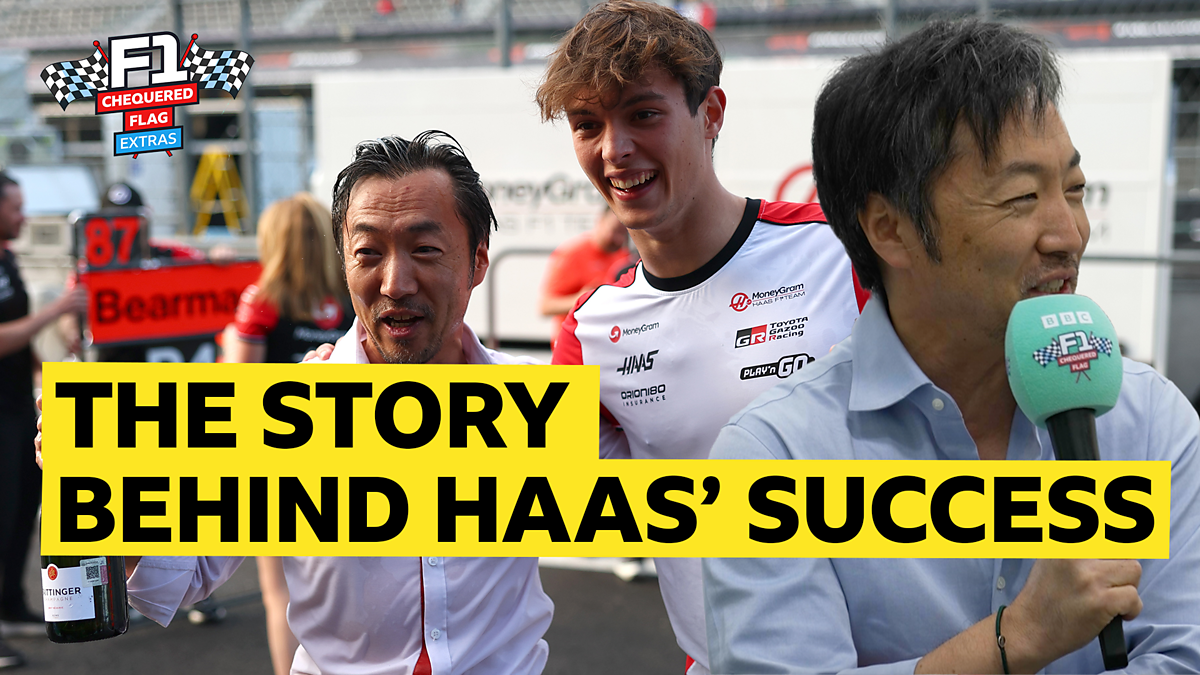
Back when Colin Chapman was building Lotus cars in a shed and somehow managing to win championships, the notion that a small F1 team might succeed through basic competence rather than divine intervention would have seemed perfectly reasonable. These days, watching Haas F1 Team discover that actually trying to be good at Formula 1 helps with being good at Formula 1 has the paddock acting like they’ve witnessed the second coming of Juan Manuel Fangio.
The BBC’s latest deep dive into F1’s plucky underdogs reads like a nature documentary about a species thought extinct: the functional small team. Apparently, after years of perfecting the art of snatching defeat from the jaws of adequacy, Haas has stumbled upon the radical concept that preparation, competent pit stops, and not treating race weekends like improvisational theater might actually yield results.
What breakthrough innovation led to this transformation? Brace yourselves: they started practicing pit stops before race day. Revolutionary stuff from the team that once sent Romain Grosjean out on three wheels and called it “gaining experience.”
'Wait, we're supposed to check the wheel guns before the race?'
— Haas mechanic, experiencing enlightenment
Decoded from aggressive helmet visor tapping.
The transformation apparently began when someone in the Haas organization made the shocking suggestion that perhaps—and hear me out here—they should try to be competitive. Novel concept for a team whose previous strategy seemed to involve showing up, looking confused, and hoping Ferrari’s engine would somehow compensate for fundamental operational incompetence.
Esteban Ocon, clearly still adjusting to this new reality of functional equipment and coherent strategy, has been dragging the team to point-scoring finishes with the bewildered enthusiasm of a man who expected to spend 2026 fighting Racing Bulls for the privilege of finishing 13th. Meanwhile, young Oliver Bearman continues to demonstrate that talent can indeed flourish when not subjected to the traditional Haas experience of watching perfectly good race positions evaporate through creative pit lane disasters.
'The car feels... good? Is this normal?'
— Esteban Ocon, questioning reality
Translated from Italian hand gestures.
Of course, the paddock is treating this development like Haas has somehow cracked the code of quantum mechanics rather than simply implementing the baseline competence that Minardi managed on a budget consisting of loose change and pure Italian stubbornness. When Paul Stoddart was keeping Minardi alive through sheer bloody-mindedness, at least they had the decency to be endearingly hopeless. Haas spent years being frustratingly hopeless, which is considerably less charming.
The real test will come when the pressure mounts and the old instincts resurface. Can this new, competent Haas maintain their revolutionary approach of basic functionality when the championship battles intensify? Or will we witness the inevitable return of the wheel nut comedy hour that made them F1’s most reliable source of unintentional entertainment?
Still, credit where it’s due: in an era where even the smallest teams have budgets that would make Enzo Ferrari weep with envy, Haas has finally figured out that success requires more than just showing up and hoping for the best. Only took them eight years to crack that particular puzzle.