Current F2 budget requirement: €2.5 million per season. Average working-class family annual income: €35,000. Mathematical conclusion: we’re no longer selecting racing drivers, we’re curating a very expensive hobby club with 300kph go-karts.
The BBC’s latest financial autopsy of motorsport’s ladder system reads like a cryptocurrency white paper—lots of big numbers that make normal humans feel poor and confused. Their analysis confirms what paddock insiders have whispered for years: F1 has successfully evolved from a sport into an exclusive financial filter that would make Swiss private banks jealous.
The data is more brutal than a Honda engine failure at Monza. A competitive F3 campaign now costs €750,000 minimum, while F2—supposedly the final audition for F1—demands €2.5 million just to participate meaningfully. That’s before factoring in the psychological damage of being slower than someone whose dad owns three yachts and considers Michelin stars a reasonable Tuesday dinner rating system.
'Dad says if I don't get points this weekend, he's buying a football team instead.'
— Anonymous F2 driver, Imola paddock
Captured between the formation lap and someone unplugging the mic.
Looking at the current F1 grid through this financial lens reveals the sport’s transformation into motorsport’s equivalent of Monaco real estate—theoretically available to everyone, practically accessible to approximately twelve families worldwide. Kimi Antonelli, currently leading the championship at 19, represents the rare exception: genuine talent spotted early enough for Mercedes to invest before his family needed to mortgage their future.
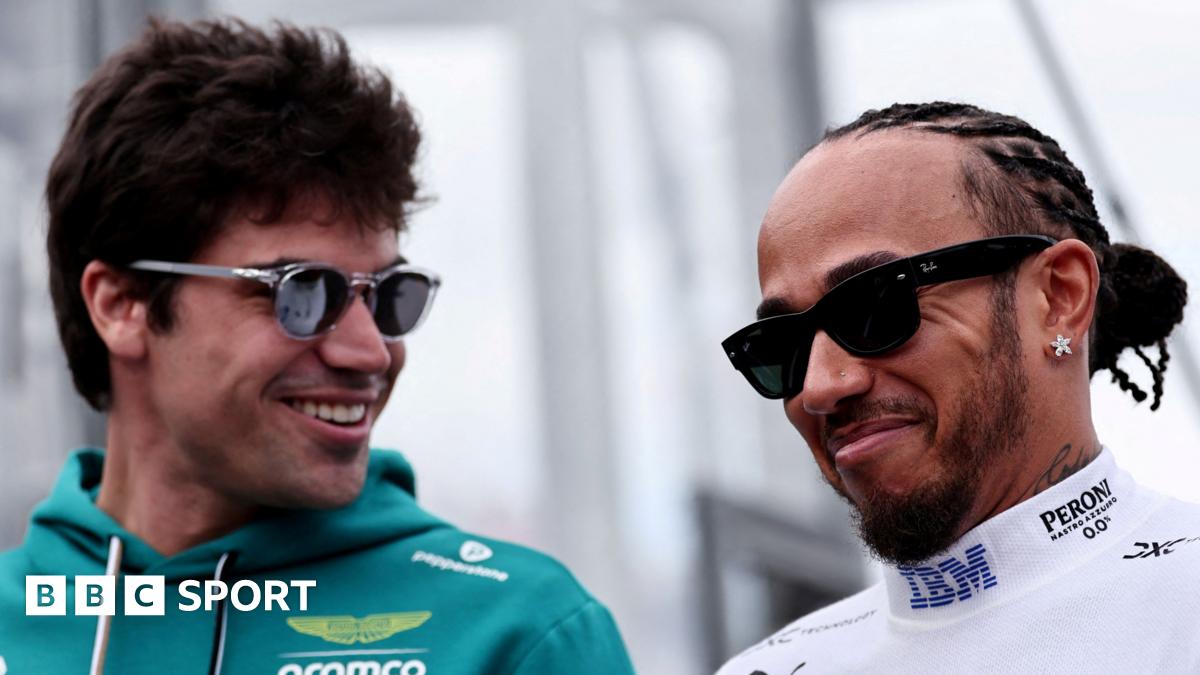
Meanwhile, Lance Stroll continues his decade-long demonstration that sufficient financial backing can overcome minor inconveniences like being consistently slower than your teammate. His Aston Martin contract renewal process essentially involves his father asking himself very nicely, which streamlines negotiations considerably.
The junior formula economics now operate like a reverse auction where teams bid up prices because they can. F2 teams have discovered that wealthy families treat €2.5 million like a rounding error, so why charge less? It’s market efficiency applied to childhood dreams, with predictably dystopian results.
'We need to find more drivers like Hamilton and Ocon, but the system makes it impossible.'
— F1 team principal, off-record conversation
Our lip-reading intern swears this is what was said.
The cruel irony is that F1’s current regulatory era—with its emphasis on energy management, battery deployment, and hybrid efficiency—rewards exactly the kind of technical intelligence and adaptability that transcends social class. Yet the pathway to demonstrate these skills has been financially gatekeeped more effectively than a Swiss bank vault.
F1 Academy, designed to support female drivers, operates on budgets that seem almost quaint compared to male junior categories. This suggests the sport understands cost-effective driver development when it chooses to, but applies this knowledge selectively, like a software update that only works on weekends.
The BBC’s analysis essentially confirms that modern F1 has achieved something remarkable: creating a meritocracy where merit is defined as having parents wealthy enough to purchase it wholesale. It’s talent identification through financial Darwinism, where the fittest survive based on their family’s investment portfolio rather than their ability to extract performance from 1000-horsepower hybrid power units.
As the 2026 season continues with Antonelli leading the championship, his success serves as both inspiration and indictment—proof that exceptional talent can still emerge, and evidence of how rarely the system allows it to happen. The sport has effectively turned championship potential into a luxury commodity, available exclusively to those who can afford the entry fee to this very expensive, very fast private members’ club.