Lap 847 of Audi’s F1 preparation: breakthrough discovery in the Ingolstadt think tank.
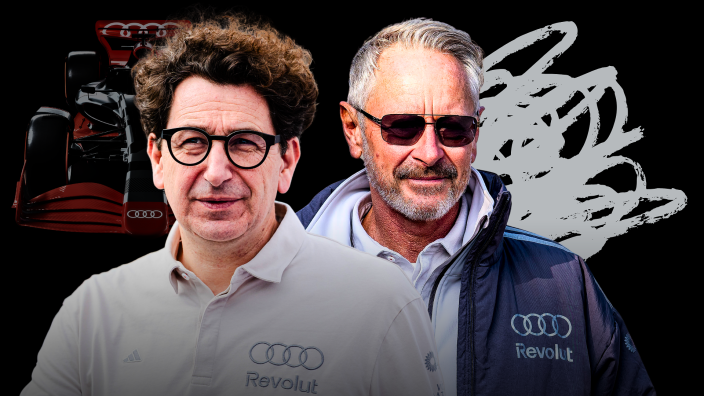
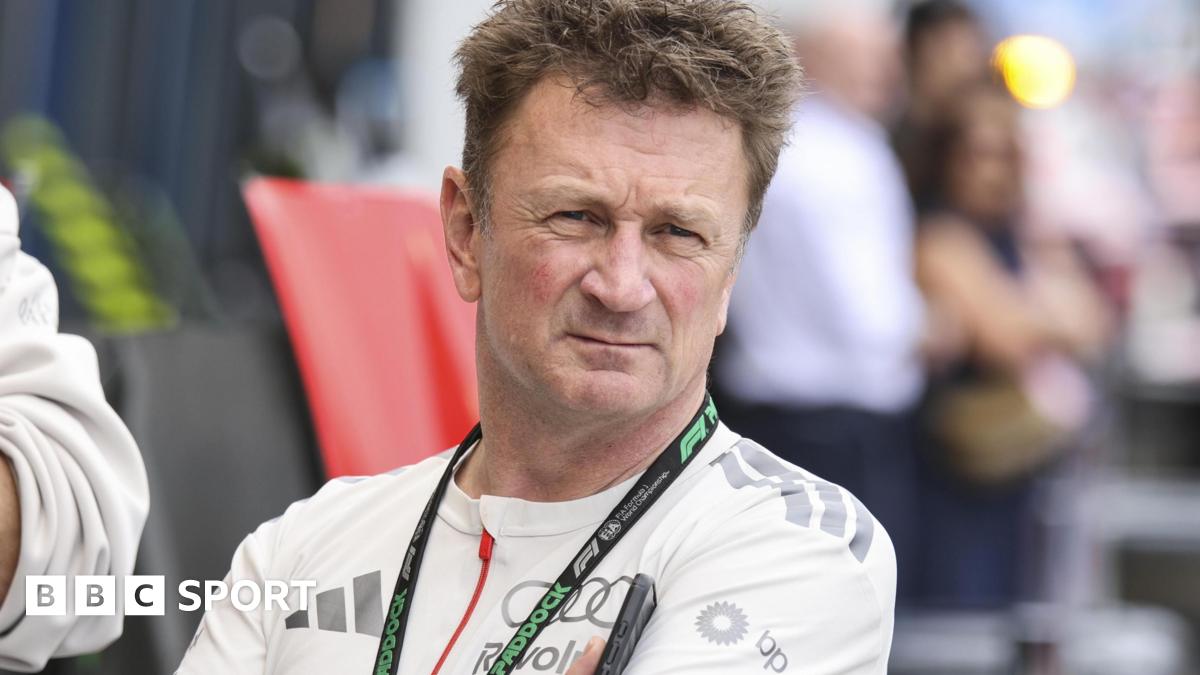
Allan McNish — three-time Le Mans winner, former McLaren and Toyota F1 pilot, man who actually knows which end of an F1 car goes first — has been named racing director for Audi’s 2026 grid adventure. Revolutionary concept: hiring someone who’s experienced the peculiar sensation of going 200mph in a carbon fiber missile.
The 54-year-old Scotsman joins an Audi project that’s been approaching F1 with the methodical precision of engineers who design excellent road cars. Sensible approach. Minor oversight: F1 cars aren’t particularly sensible.
'Maybe we should ask someone who's been in one of these things before going 300 kilometers per hour'
— Audi engineer, moment of clarity
Overheard through three walls of hospitality unit. Accuracy not guaranteed.
McNish brings serious credentials. Forty-three F1 starts across three seasons. Knows the difference between understeer and “why is this corner approaching so quickly.” Understands that aerodynamics matter when you’re not stuck behind a diesel Passat on the Autobahn.
The appointment comes as Audi’s maiden season approaches critical phase. Nico Hulkenberg and Gabriel Bortoleto currently occupying the cockpits — one veteran who remembers when F1 cars were merely difficult, one rookie discovering just how difficult they’ve become.
Early 2026 results suggest Audi’s learning curve remains steep. Current championship position: tenth of eleven teams. Cadillac — the actual newcomers — already showing more pace. Nothing quite like being out-developed by the team that didn’t exist eighteen months ago.
McNish’s motorsport CV extends well beyond F1. Audi Sport veteran. Endurance racing specialist. Man who’s won Le Mans three times, which requires understanding both speed and the revolutionary concept of reliability. Novel combination in modern F1.
'Allan knows what it feels like when the car actually works properly'
— Hulkenberg, explaining the obvious
Source: the voices in our engineer's headset.
The timing suggests urgency. Five weeks until Miami GP — next opportunity for Audi to demonstrate whether German engineering precision can translate into F1 competitiveness. Current evidence: mixed at best.
McNish’s challenge: bridging the gap between Audi’s theoretical excellence and F1’s practical chaos. Engineering department that’s mastered efficiency versus racing series that rewards controlled insanity. Cultural translation required.
His racing director role puts him at the operational heart. Strategy decisions. Race weekend management. The delicate art of explaining to drivers why the car handles like a shopping trolley with three working wheels.
The appointment signals Audi’s recognition: F1 success requires more than superior manufacturing processes. Requires understanding the specific madness of Sunday afternoon racing. The peculiar logic of tire strategies and fuel loads and why sometimes the fastest car doesn’t win.
McNish has lived that madness. Survived it. Even occasionally conquered it.
Now he gets to teach Audi how to embrace it.
Five weeks to Miami. Clock ticking. German efficiency meets Scottish racing wisdom.
This should be interesting.