A little birdie tells me that Turkey’s triumphant return to the Formula 1 calendar for 2027 came about after Liberty Media executives spent eighteen months staring at a world map, desperately trying to remember why they stopped going to Istanbul Park in the first place.
According to sources close to the commercial rights holder (and by sources, I mean the intern who accidentally left their laptop open during a strategy meeting), the Turkish Grand Prix secured its 2027 slot through the time-honored tradition of outlasting Liberty’s attention span. Apparently, six years was exactly the right amount of time for everyone to forget that the original departure involved something about tire degradation, gravel traps that swallowed cars whole, and a track surface slicker than Stefano Domenicali’s pre-race media briefings.
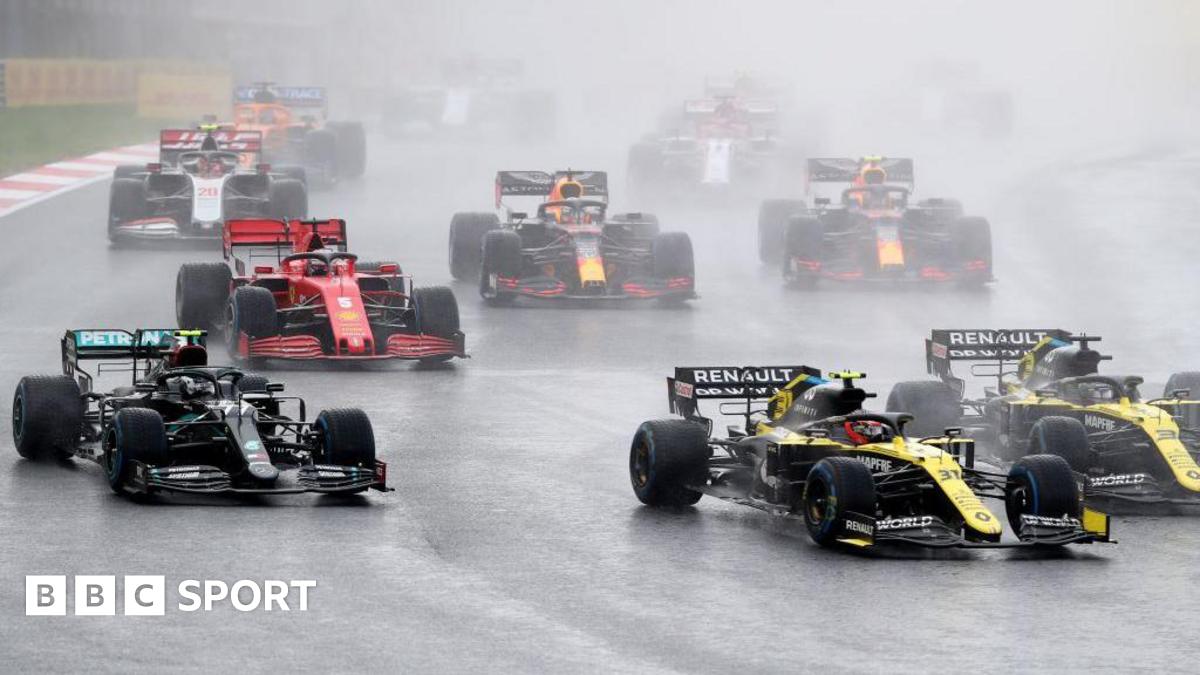
The announcement comes at a particularly convenient time for F1’s calendar architects, who have reportedly exhausted their list of “countries that definitely won’t cancel three weeks before the race.” Turkey, having already demonstrated its ability to host a Grand Prix during the COVID-scrambled 2020 season, apparently passed Liberty’s rigorous vetting process of “did they answer the phone when we called?”
Istanbul Park’s return represents a masterclass in strategic patience. While other circuits spent millions on facility upgrades and political lobbying, Turkey simply waited for F1 to cycle through enough calendar disasters that coming back seemed like a good idea. Sources suggest the Turkish motorsport federation’s negotiation strategy consisted entirely of existing and occasionally sending Christmas cards to Liberty Media headquarters.
'Wait, we have to go back to Turkey? I thought we agreed that was a one-time COVID thing.'
— Unnamed F1 driver, 2027 calendar briefing
Probably. We weren't on that frequency.
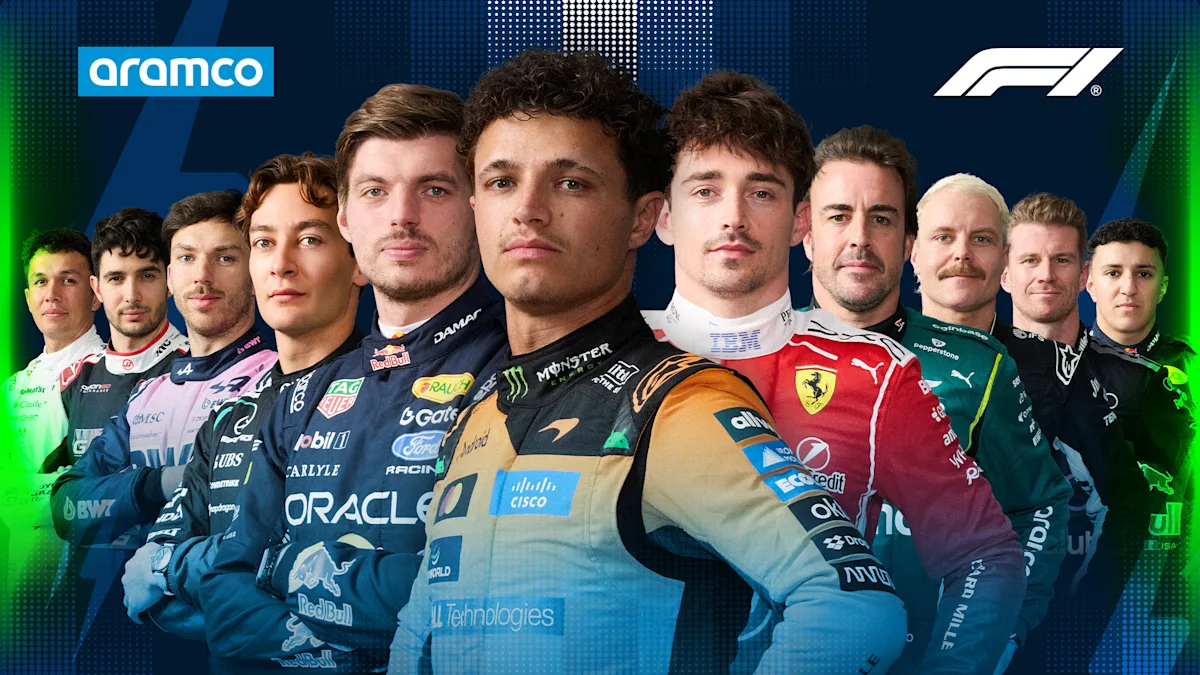
The timing couldn’t be more perfect for Turkey’s motorsport ambitions. With the current grid featuring 22 drivers across 11 teams, Istanbul Park’s challenging Turn 8 complex should provide ample opportunity for Cadillac’s Sergio Perez to demonstrate whether his racecraft has improved during his year-long sabbatical, or if he’ll simply find new and creative ways to compromise his teammate Valtteri Bottas’s race strategy.
Industry insiders suggest that Turkey’s successful pitch relied heavily on nostalgia for the circuit’s reputation as a “proper driver’s track,” which in F1 terminology translates to “somewhere Lewis Hamilton won that one time and everyone pretended it was because of skill rather than tire lottery.” With Hamilton now at Ferrari and showing renewed confidence in 2026, the seven-time champion’s return to Istanbul Park promises to generate the kind of manufactured storylines that make Liberty Media’s content team weep tears of joy.
The real genius of Turkey’s approach becomes apparent when you consider the current state of F1’s calendar negotiations. While other prospective hosts spent fortunes on feasibility studies and infrastructure development, Turkey simply maintained a perfectly adequate racing facility and waited for Liberty to remember that sometimes “boring but functional” beats “exciting but constantly threatened by geopolitical instability.”
'At least we know the Turkish circuit actually exists and isn't just a PowerPoint presentation.'
— Liberty Media executive, calendar planning meeting
Delivered via a strongly worded post-race debrief. Apparently.
What makes this development particularly delicious is that Turkey’s return essentially validates the “do nothing and wait” strategy that so many other circuits have dismissed in favor of aggressive lobbying campaigns. While potential hosts threw money at F1’s decision-makers and promised increasingly elaborate pre-race entertainment, Turkey quietly maintained its circuit, kept the lights on, and trusted that eventually Liberty Media would run out of better options.
The Turkish Grand Prix’s 2027 return also represents a rare victory for circuits that prioritize actual racing over Instagram-friendly backdrops. Istanbul Park may not offer the glamour of Monaco or the architectural drama of Singapore, but it does provide the increasingly rare commodity of multiple racing lines and genuine overtaking opportunities—assuming the current generation of drivers remember how to overtake without DRS assistance.
Perhaps most importantly, Turkey’s successful calendar return demonstrates that in Formula 1’s current landscape, patience and basic competence constitute a winning strategy. While other venues promised the moon and delivered parking lot racing, Turkey simply offered to host a functional Grand Prix without threatening to cancel it three weeks beforehand due to “unforeseen circumstances.”
The 2027 Turkish Grand Prix promises to be a fascinating test case for Liberty Media’s evolving calendar philosophy: sometimes the best option is the one that doesn’t actively make your life more difficult.