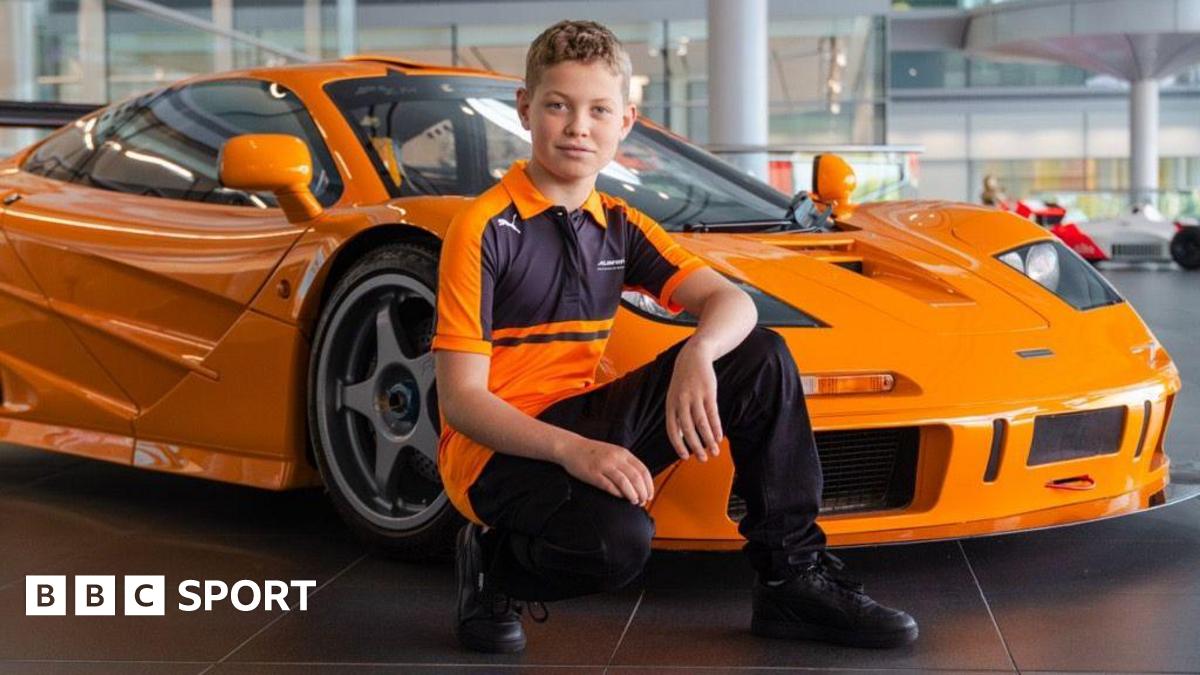
The plan was simple: sign promising teenagers to your driver academy, nurture their talent through junior formulas, and eventually graduate them to F1 as polished professionals ready for the sport’s demands. McLaren has just announced they’re skipping the “teenager” part entirely by signing 11-year-old Harry Williams to their Young Driver Programme, making him two years younger than Lewis Hamilton was when he joined the same academy in 1998.
In hindsight, watching Kimi Antonelli’s meteoric rise to championship contention at Mercedes this season while other teams wrestle with the complexities of adolescent development has apparently convinced McLaren that the secret isn’t finding better teenagers—it’s finding better children.
“Harry represents the future of our academy,” explained McLaren’s Head of Driver Development, presumably with a straight face. “At eleven, he’s shown remarkable maturity for someone who still needs a booster seat to reach the pedals properly.”
The logic, such as it exists, stems from McLaren’s observation that teenage drivers come pre-loaded with inconvenient features like opinions, growth spurts that require constant seat adjustments, and an alarming tendency to question authority. Williams, by contrast, is reportedly thrilled that his new McLaren contract includes unlimited access to the team’s catering truck and permission to stay up until 9 PM on race weekends.
'Can someone explain to Harry that the steering wheel isn't actually a Xbox controller?'
— McLaren engineer, during simulator session
Our lip-reading intern swears this is what was said.
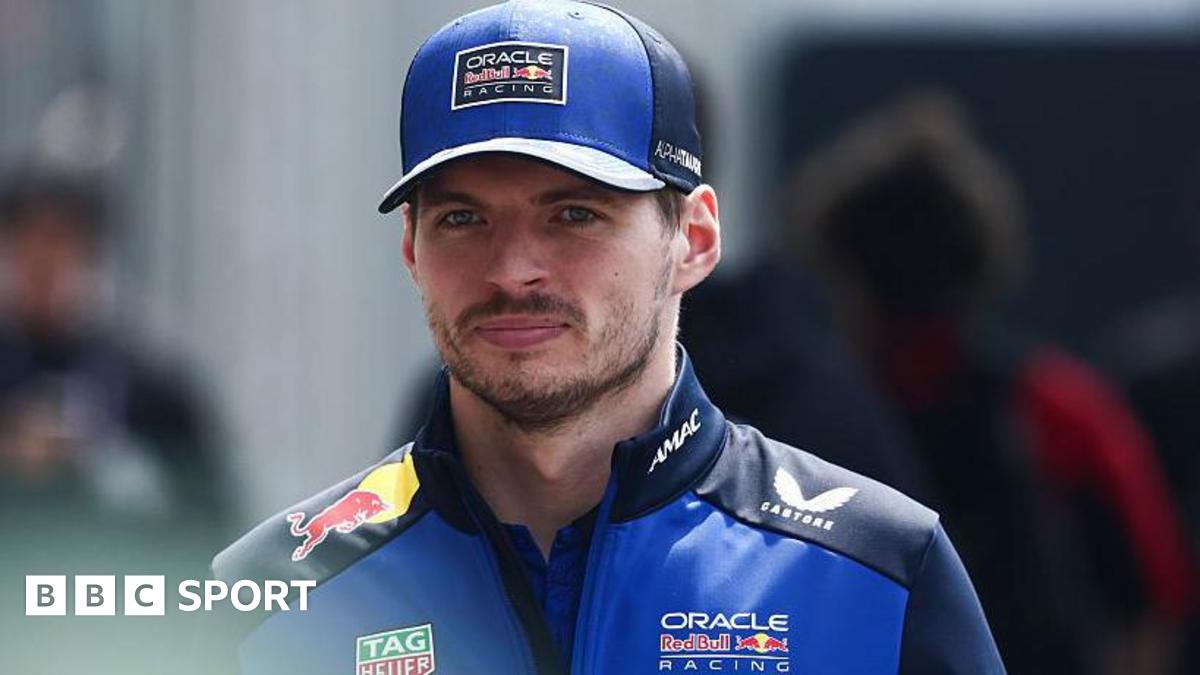
The timing is particularly telling. While Mercedes celebrates Antonelli’s double victories this season, other teams are discovering that managing teenage prodigies requires the diplomatic skills of a UN peacekeeping mission. Red Bull’s Isack Hadjar has been publicly questioning setup decisions, Racing Bulls’ Arvid Lindblad recently demanded his own espresso machine in the garage, and don’t get anyone started on the Instagram management requirements alone.
Williams, meanwhile, is reportedly more concerned with whether the team motorhome has good WiFi for his homework and if he can bring his Pokemon cards to testing sessions. His contract negotiations were apparently concluded in under ten minutes, mostly because his primary demand was “chocolate milk in the fridge at all times.”
The recruitment process itself reveals McLaren’s new philosophy in action. While traditional scouting focuses on lap times and racecraft, Williams was identified through what the team calls “pre-adolescent compatibility metrics.” These include his ability to follow instructions without rolling his eyes, genuine excitement about wearing a helmet (“It’s like being a spaceman!”), and crucially, complete ignorance about salary negotiations.
'This is brilliant! When do I get to race against Lightning McQueen?'
— Harry Williams, after his first simulator session
This may or may not have happened between lap 3 and the chequered flag.
The broader implications are staggering. If McLaren’s experiment succeeds, we could witness F1’s first pre-teen arms race, with teams scouring primary schools for the next generation of drivers who still believe adults know what they’re doing. Imagine contract negotiations conducted via crayon drawings and performance bonuses paid in trading cards.
Of course, there are practical considerations that McLaren seems determined to ignore. Williams won’t be eligible for an F1 superlicense until roughly 2033, assuming current regulations hold and he doesn’t get distracted by other interests like, say, discovering girls exist. His current racing experience consists entirely of go-karting and what his mother describes as “very aggressive cycling around the neighborhood.”
The real genius, in hindsight, isn’t in the signing itself—it’s in the timing. By 2033, when Williams theoretically reaches F1, current McLaren management will be long gone, making this someone else’s problem to solve. Meanwhile, they get seven years of positive headlines about “investing in the future” while other teams grapple with the messy reality of teenage development.
The precedent this sets is deliciously chaotic. If eleven is the new sweet spot for driver recruitment, how long before we see teams signing nine-year-olds to get ahead of the curve? Will future driver academies start offering after-school programs alongside advanced aerodynamics courses?
Williams himself remains blissfully unaware of the strategic implications, reportedly telling journalists that his main goal is “to drive the fast cars and maybe meet Lando because he seems really cool.” When asked about his long-term F1 ambitions, he simply shrugged and said he’d probably rather be a dinosaur expert anyway.
In the grand tradition of F1’s most innovative failures, McLaren has identified a real problem—teenage drivers are complicated—and solved it with a solution that creates entirely new problems while ignoring the original issue completely. The chaos theory suggests that small changes can have massive consequences, and signing a child who still believes in the tooth fairy to your driver development program certainly qualifies as a small change with potentially spectacular ramifications.
The only question now is whether other teams will follow McLaren’s lead into this brave new world of pre-adolescent recruitment, or if they’ll stick with the traditional approach of hoping teenagers eventually mature into functional adults. In hindsight, both strategies seem equally likely to succeed, which in F1 terms means they’re both destined for magnificent failure.