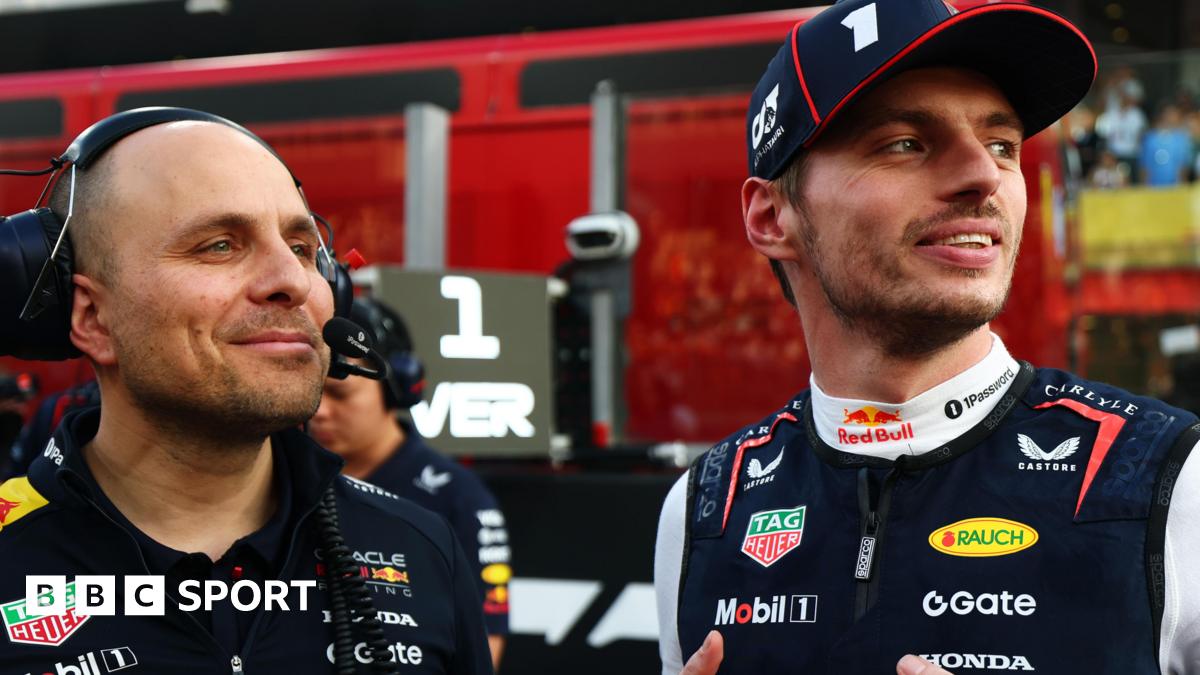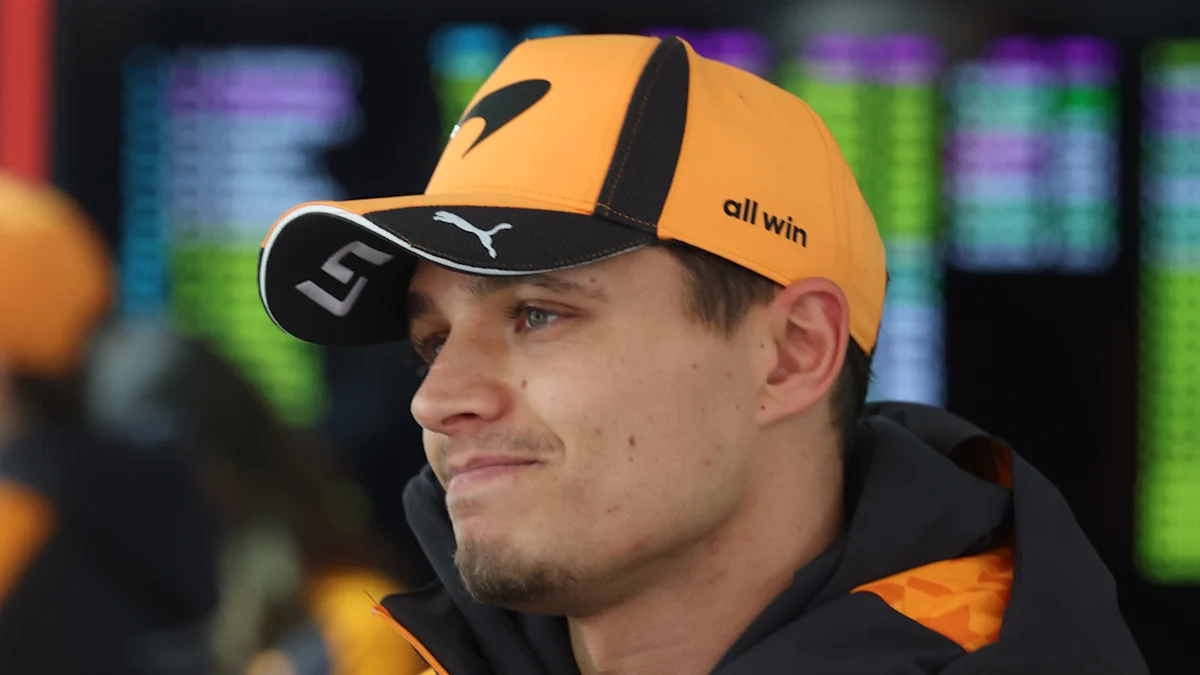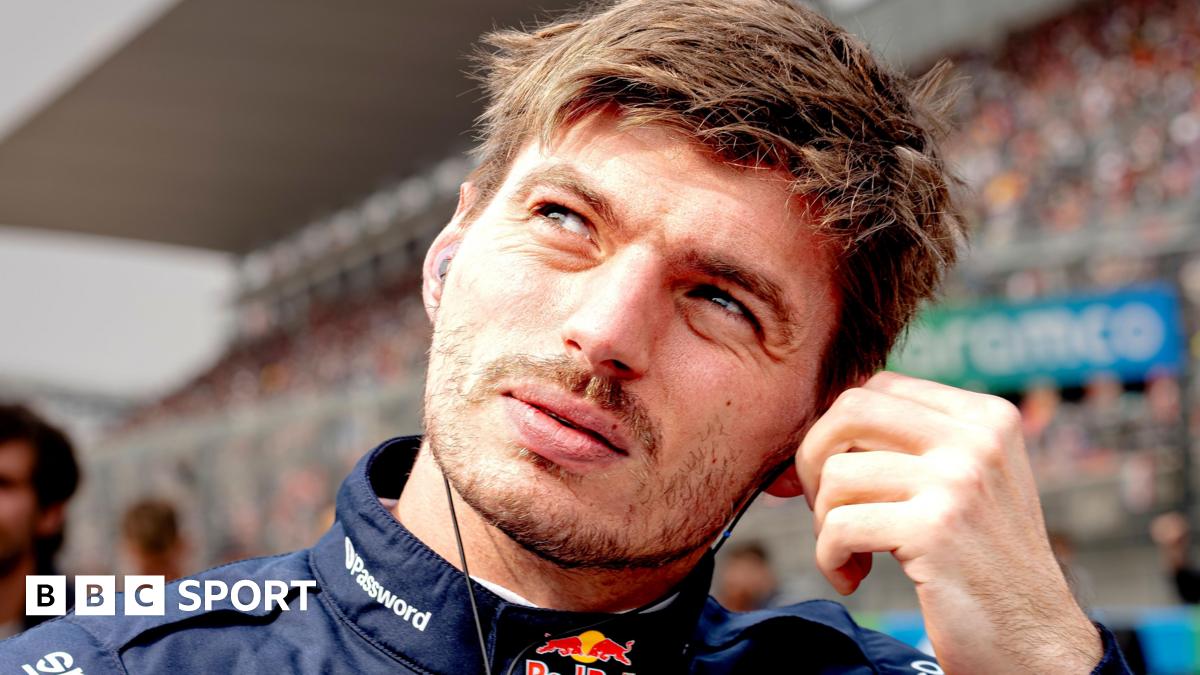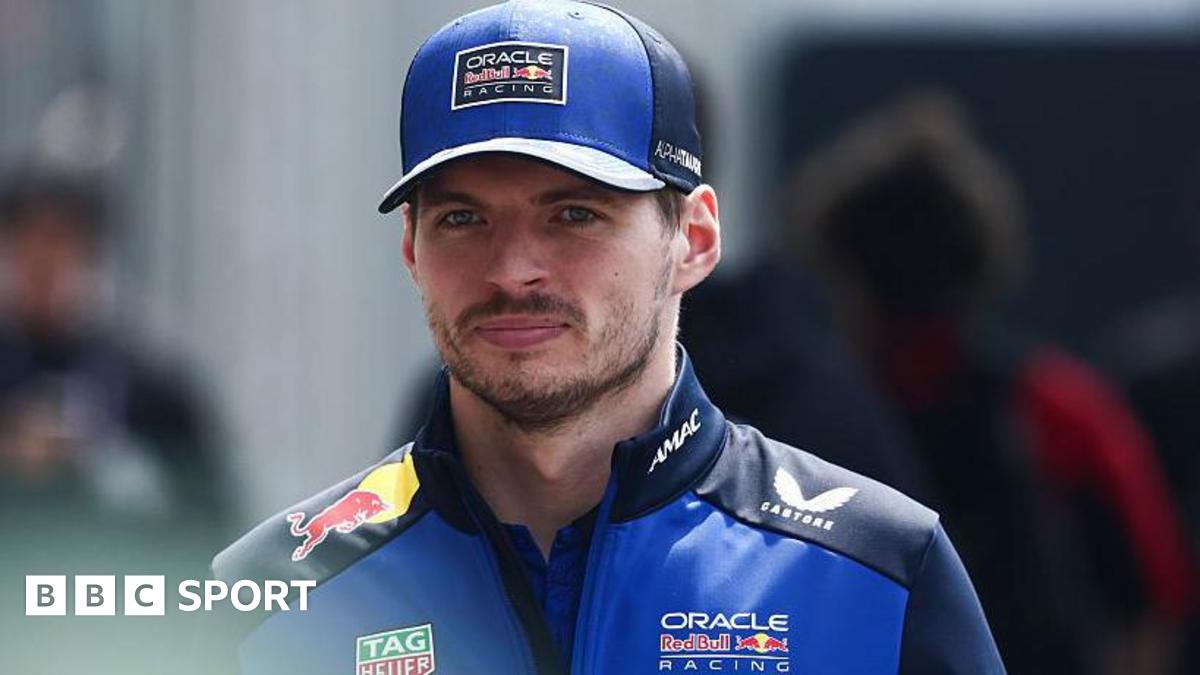
Back when Ayrton Senna dominated the late 1980s, rival drivers didn’t pretend his potential departure would be a tragedy for the sport. They’d have thrown a party and fought over who got to drive his McLaren. Now we live in an era where Oscar Piastri must maintain a poker face while explaining why Max Verstappen leaving Formula 1 wouldn’t be the best news since sliced bread for everyone else’s championship aspirations.
The McLaren driver, displaying the kind of diplomatic training that would make a UN ambassador proud, recently declared that Verstappen’s hypothetical exit would be “not a great look” for Formula 1. This is roughly equivalent to Manchester City’s rivals expressing genuine concern about Pep Guardiola taking a sabbatical, or tennis players lamenting Novak Djokovic’s potential retirement while secretly measuring their trophy cabinets.
Piastri’s comments come as the Australian continues to establish himself as one of the grid’s rising talents, currently sitting in a respectable championship position despite his Melbourne heartbreak. But watching him navigate the political minefield of discussing Verstappen’s future is like watching someone try to explain why they’d be devastated if their biggest exam got cancelled.
'Look, Max is... he's obviously very talented and the sport needs drivers like that'
— Piastri, diplomatic training in full effect
Probably. We weren't on that frequency.
The reality, which everyone understands but nobody can say, is that Verstappen’s departure would create the kind of power vacuum that makes ambitious drivers salivate. Suddenly, that Red Bull seat becomes available. Championship calculations shift overnight. The entire grid dynamic transforms from “who can finish closest to Max” to “who wants to be the next dominant force.”
But modern F1 demands its drivers speak in corporate platitudes about “what’s best for the sport,” as if they’re shareholders rather than competitors. Gone are the days when drivers would openly discuss their ambitions or admit that a rival’s absence might benefit their careers. Instead, we get carefully crafted responses that wouldn’t offend a sponsor’s grandmother.
Piastri, to his credit, is simply playing by the rules of contemporary Formula 1 media management. Every driver now requires a masters degree in diplomatic non-answers, capable of discussing hypothetical scenarios without revealing any actual thoughts or ambitions. It’s performance art disguised as sports journalism.
The irony is delicious. Here’s a driver who crashed out of his home race before it even started, watching Mercedes dominate while his teammate Norris defends a championship that suddenly looks more vulnerable than expected. Yet he’s required to express concern about losing the sport’s most successful recent driver, as if Verstappen’s absence wouldn’t immediately improve everyone else’s mathematical chances.
'We want to beat the best drivers, and Max is obviously one of those'
— Piastri, maintaining the facade
Delivered via a strongly worded post-race debrief. Apparently.
What Piastri actually demonstrated is how thoroughly modern F1 has sanitized its drivers. In the era of Nigel Mansell and Alain Prost, competitors weren’t afraid to admit they wanted their rivals gone. They understood that racing was fundamentally about defeating everyone else, not maintaining diplomatic relations with the opposition.
Today’s drivers must pretend that losing the sport’s most dominant figure would somehow diminish their own potential achievements. It’s like actors claiming they’d be disappointed if their main competition for an Oscar decided to retire. Professional, perhaps, but hardly authentic.
The truth is that Verstappen’s hypothetical departure would be Christmas morning for half the grid, and Piastri knows it as well as anyone. But in an era where every comment gets dissected for sponsor-friendly messaging, honesty has become a luxury these drivers can’t afford.
At least when Kimi Antonelli inevitably gets asked the same question, we might get a refreshingly direct answer. The kid’s still young enough to occasionally forget his media training.