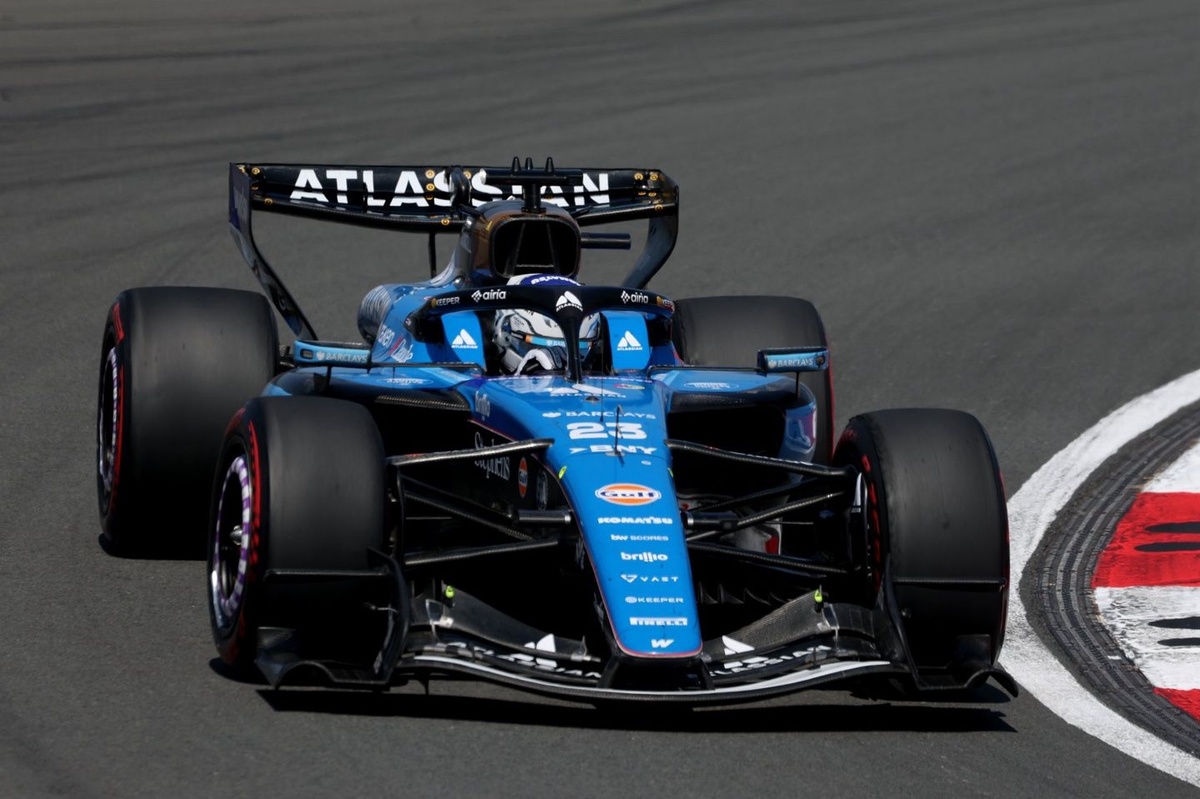
Lap fourteen at Shanghai. Alex Albon threads his Williams through the chicane, keeping pace with a Ferrari ahead and a McLaren behind. The blue car holds its line with quiet authority. No desperate defending. No falling backwards through the field. Just… racing.
Revolutionary stuff from Grove.
The BBC’s latest deep dive into Williams’ unexpected competence reads like a forensic analysis of how F1’s smallest team stopped embarrassing themselves. Turns out the formula was simpler than anyone imagined: hire Carlos Sainz, stop building cars that handle like shopping trolleys, and profit while Red Bull melts down over the new regulations.
'Wait, we're actually racing today? Not just making up the numbers?'
— Alex Albon, realizing Williams is competitive
Unverified. Our paddock sources are unreliable at best.
The numbers tell a story sweeter than any underdog narrative. Williams sits seventh in the constructors’ championship through three rounds. Not spectacular, but respectably midfield after years of basement dwelling. Sainz has scored points in every race. Albon looks like he remembers how to extract pace from machinery that doesn’t actively fight him.
Meanwhile, Max Verstappen sounds like a man discovering his favorite restaurant changed chefs. The new regulations hit different when you can’t rely on Adrian Newey’s aerodynamic wizardry to paper over fundamental issues.
Perfect timing for Williams to find their groove.
The Sainz signing was always going to be crucial. Four-time race winner brings credibility and feedback that actually improves the car. But the real revelation is how Williams maximized their limited resources while bigger teams stumbled through the regulatory reset.
'Keep this up and people might think we know what we're doing'
— Williams engineer, trying not to jinx it
Probably. We weren't on that frequency.
The BBC analysis highlights Williams’ focused development approach. No flashy upgrades or revolutionary concepts. Just methodical improvement in fundamental areas that bigger teams sometimes overlook in their pursuit of marginal gains.
It’s almost like building a functional race car matters more than having the fanciest wind tunnel.
Williams won’t be challenging for podiums anytime soon. But in a season where Mercedes dominates, Ferrari finds form, and Red Bull discovers mortality, being consistently decent feels like victory. Sometimes the best performance is simply showing up prepared while everyone else figures out what went wrong.
The smallest team on the grid finally sounds like they belong in the conversation. That’s progress worth analyzing.