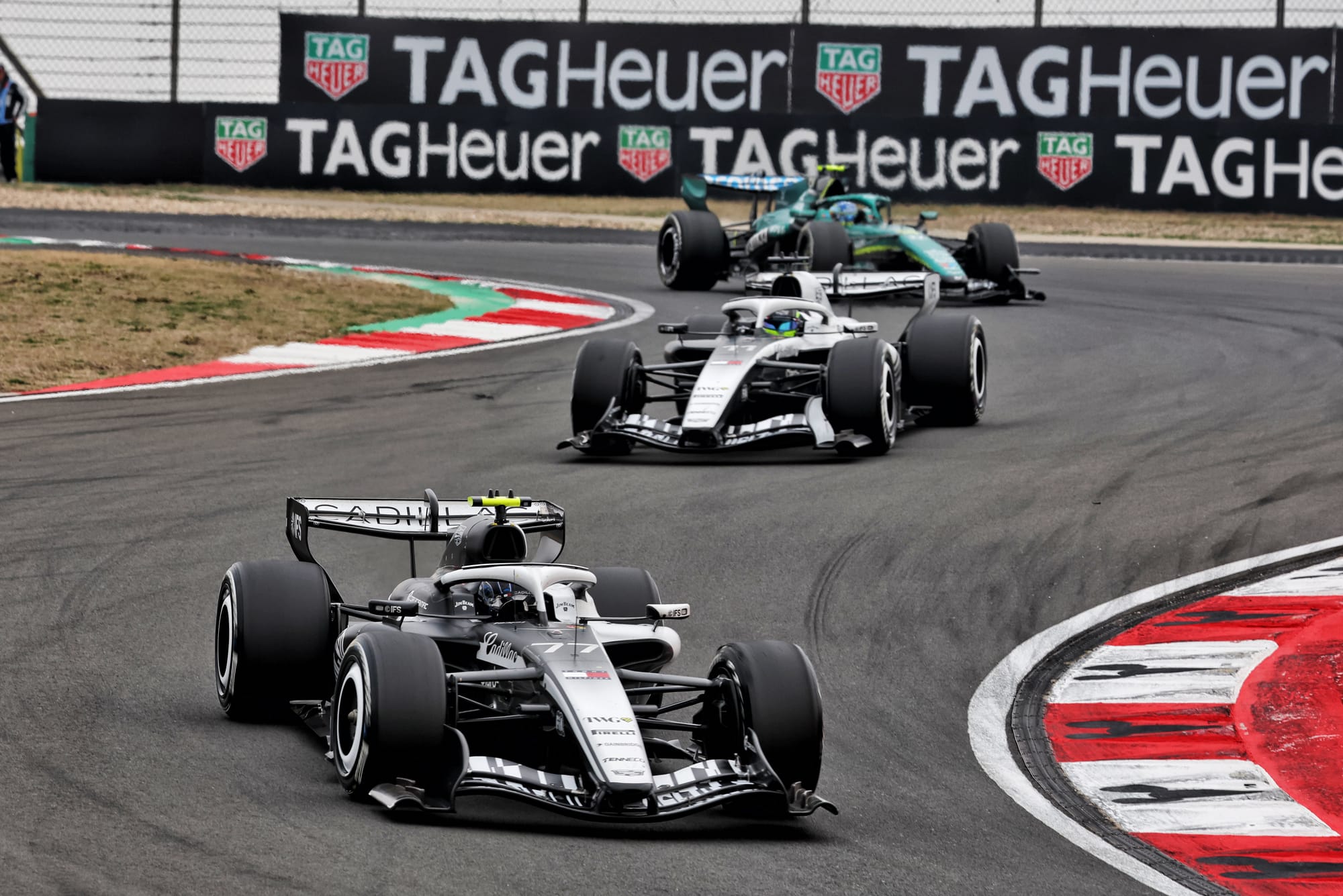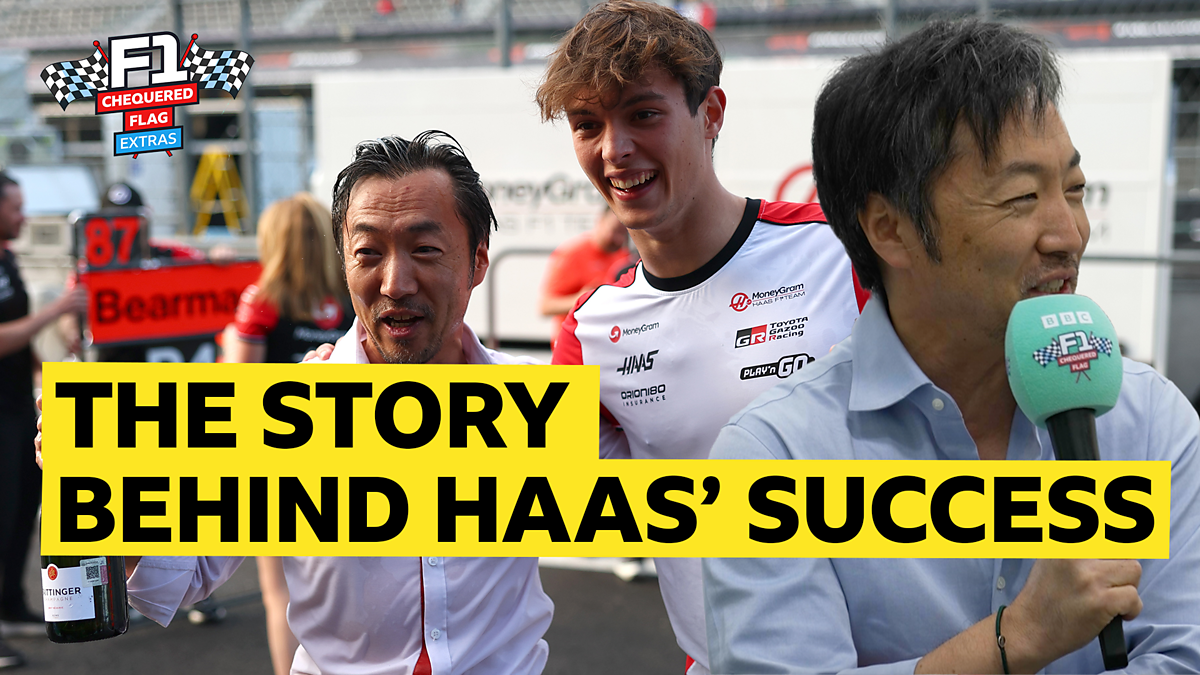
Look, we’ve covered some wild stuff in our time — drivers complaining about porpoising while driving literal rockets, team principals throwing headsets like they’re auditioning for a reality show, the FIA changing regulations faster than we change our underwear. But the BBC has somehow managed to outdo us all by analyzing how well F1’s smallest team is performing when that team is currently smaller than my will to live during a Monaco processional.
According to their deep dive into underdog success stories, Cadillac — you know, that team with two cars, two drivers, and approximately zero championship points — is apparently punching above its weight class. Which is impressive considering their weight class is currently “theoretical.”
The analysis highlights how teams like Cadillac are rewriting the playbook on competitive performance, noting their innovative approach to resource management (translation: they don’t have any resources to manage yet) and their fresh perspective on F1’s technical challenges (translation: they haven’t been beaten down by the sport’s bureaucracy yet).
We particularly enjoyed the section where experts praise Cadillac’s “lean operational structure” — which is corporate speak for “they literally don’t have a factory yet, but sure, let’s call it strategic minimalism.”
'The car feels amazing, much better than expected for something that doesn't exist'
— Sergio Perez, testing simulation
Probably. We weren't on that frequency.
The metrics are genuinely fascinating, though. Cadillac’s theoretical lap times at Melbourne were reportedly competitive with the midfield, their simulated pit stops are flawless (zero mechanical failures when your mechanics exist only in PowerPoint presentations), and their aerodynamic efficiency is off the charts (mostly because the charts haven’t been printed yet).
Valtteri Bottas, meanwhile, has been spotted at various coffee shops around Europe, presumably preparing for the season by perfecting his caffeine intake strategy. Sources suggest he’s never been more ready for a championship fight, though we should note that our sources are primarily Instagram stories and educated guesswork.
The BBC piece does touch on some genuine insights about how new teams can leverage modern simulation technology and data analytics to compete more effectively than previous F1 startups. It’s actually quite clever — by the time Cadillac hits the track, they’ll have run thousands of virtual laps and optimized everything from brake balance to sandwich selections in their non-existent hospitality unit.
'We're leading every championship that matters — except the one with actual points'
— Cadillac team principal, probably
This quote has been neither confirmed nor denied. Classic F1.
What’s genuinely impressive is how this analysis inadvertently highlights F1’s current absurdities. When a team that doesn’t exist yet can generate this much analytical content about their competitive prospects, it says something profound about either our sport’s complexity or our collective need to create content about literally anything.
The reality is that Cadillac’s success story — if we can call theoretical performance a success story — reflects how dramatically F1 has changed. Modern teams can achieve more with advanced simulation and strategic partnerships than previous generations could with unlimited budgets and creative interpretations of technical regulations.
Plus, their current win rate in championship fights (undefined, because you can’t divide by zero) is mathematically superior to several teams we could mention but won’t, because we’re not completely heartless.
We’ll be watching with interest when Cadillac actually shows up to race. Until then, they remain undefeated in our hearts and in whatever metric system the BBC is using to measure success in 2026.