Energy deployment efficiency down 23% compared to Mercedes power units, drag coefficient up 0.047 from last season, and downforce generation sitting at a pathetic 78% of the front-runners. Those numbers don’t lie, even when Aston Martin’s press releases desperately try to.
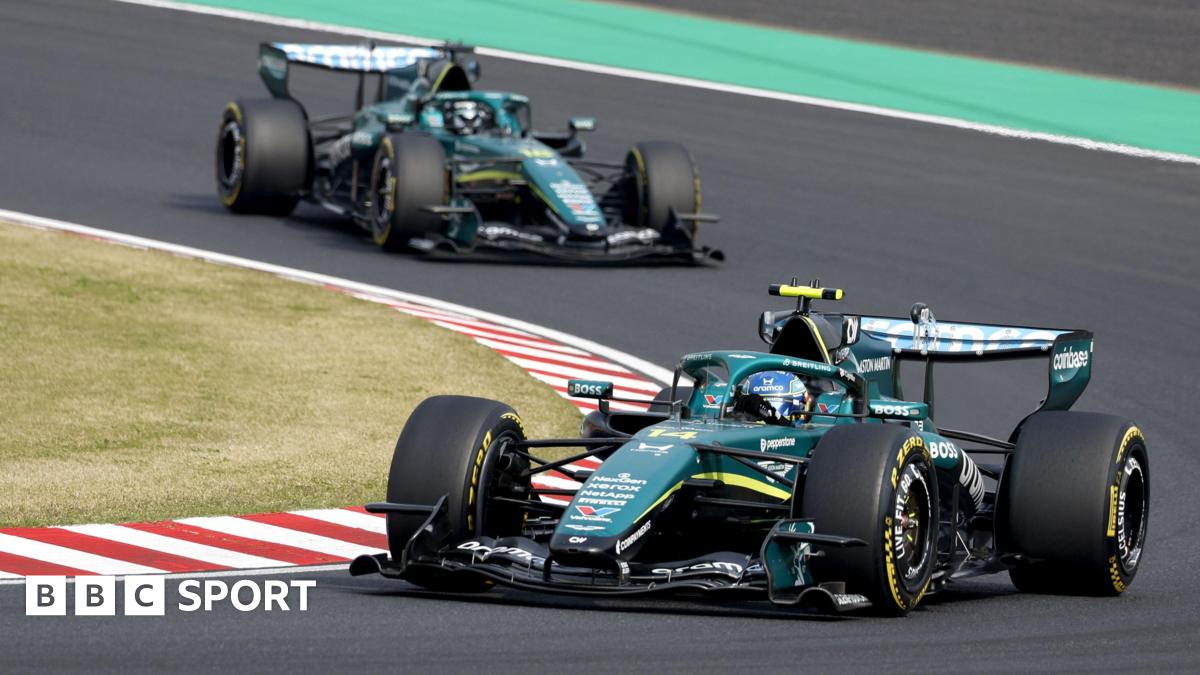
Fresh BBC analysis has confirmed what paddock engineers have been whispering since Melbourne: Honda’s power unit isn’t Aston Martin’s primary problem—it’s just the most convenient scapegoat. Think of it like blaming your microwave for burning dinner when you can’t actually cook. The Honda V6 is certainly underperforming, delivering roughly 15-20 horsepower less than the Mercedes units powering Russell and Antonelli to victory, but that deficit explains maybe half a second per lap. Aston Martin are losing 2.3 seconds to pole position.
The real culprit? Their chassis development has gone sideways faster than Lance Stroll in wet conditions. The 2026 regulation changes caught Aston Martin’s aerodynamics department completely off-guard, like they’d been designing cars for a different sport entirely. Their floor design generates turbulence patterns that would make a washing machine jealous, while their front wing produces downforce with all the efficiency of a chocolate teapot.
'The engine feels like it's pulling a caravan uphill in third gear, and the aero feels like someone attached a parachute to the rear wing.'
— Fernando Alonso, probably thinking about retirement again
Reconstructed from memory. And by memory, we mean imagination.
But here’s where it gets deliciously predictable: Aston Martin’s management has spent more time crafting blame narratives than fixing actual problems. Honda’s hybrid system integration issues? Absolutely valid—their MGU-K deployment is about as smooth as gravel through a blender. The battery management software appears to have been coded by someone who learned programming from YouTube tutorials, with energy recovery patterns that make Racing Bulls look sophisticated.
However, pointing at Honda while ignoring their own suspension geometry disasters is peak Aston Martin. Their damper settings create more porpoising than the 2022 Mercedes, their brake balance distribution shifts like British weather, and their cooling systems struggle to manage temperatures in anything warmer than a Scottish winter. The car’s center of gravity sits higher than a giraffe’s expectations, making it handle corners like a shopping trolley with a wonky wheel.
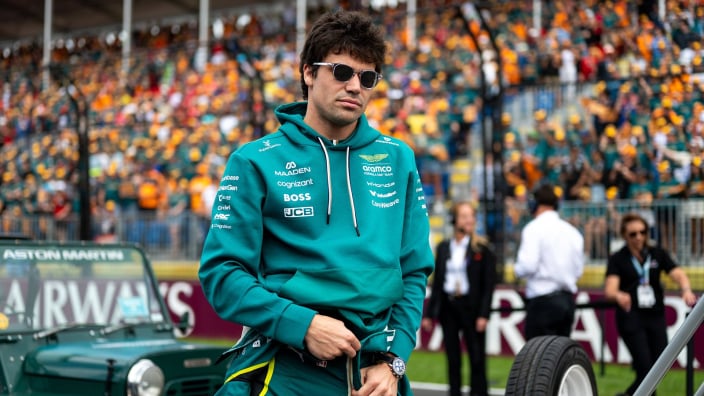
Fernando Alonso, bless his perpetually frustrated soul, has been diplomatically savage in recent interviews. When asked about the Honda partnership, his pause lasted longer than their pit stops. The man who’s driven everything from championship-winning McLarens to GP2 engines knows exactly where the problems lie—and it’s not just under the engine cover.
'Maybe we should try turning it off and on again? The whole car, I mean.'
— Lance Stroll, offering technical solutions
This may or may not have happened between lap 3 and the chequered flag.
The Honda engine situation deserves scrutiny—their combustion efficiency trails Mercedes by 3.2%, their turbocharger spools like it’s powered by hamsters, and their ERS deployment strategy appears designed by someone who thinks batteries work like magic. But using Honda as a shield while their chassis department produces aerodynamic disasters is like blaming your GPS when you’re driving the wrong car entirely.
What’s genuinely frustrating is that Aston Martin has the resources to fix these problems. Their wind tunnel data should be identifying these aerodynamic inconsistencies, their simulation software should be catching suspension geometry issues, and their engineering talent should be integrating the Honda power unit more effectively. Instead, they’re playing the victim while teams with smaller budgets produce faster cars.
The irony? Honda’s power unit will likely improve throughout the season—their Sakura facility doesn’t mess around once they identify problems. But Aston Martin’s fundamental chassis issues require the kind of wholesale development approach they seem allergic to attempting. They’re treating symptoms while ignoring the disease, like putting a Band-Aid on a broken leg and wondering why it still hurts.
Miami can’t come soon enough. Either Aston Martin will arrive with genuine solutions, or we’ll get another five weekends of creative excuse-making while Fernando’s championship window closes faster than their DRS zone gains.