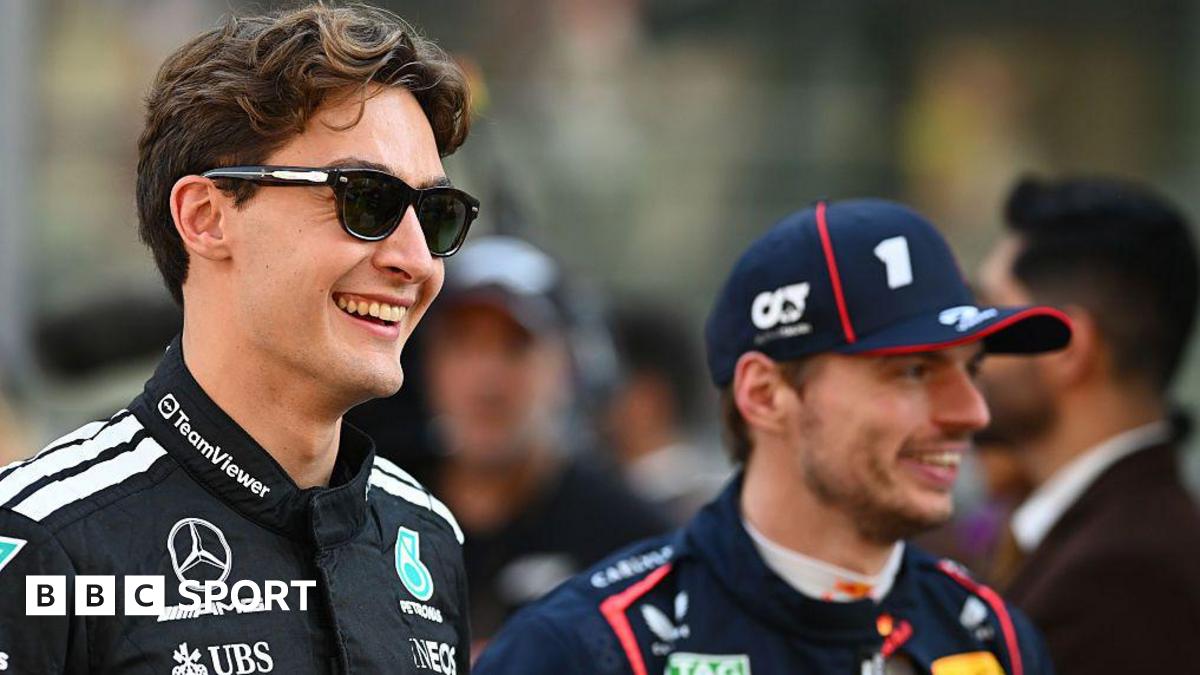
George Russell has delivered a textbook demonstration in Formula 1 diplomacy by simultaneously agreeing that Max Verstappen should consider leaving the sport while insisting F1 desperately needs him to stay.
The Mercedes driver’s comments this week represent the pinnacle of paddock political maneuvering—a carefully constructed statement that validates Verstappen’s frustrations with the current regulations while offering precisely zero solutions or meaningful support. It’s the conversational equivalent of a perfectly executed pit stop: technically flawless, strategically sound, and completely hollow.
Russell’s position boils down to this: F1 would totally understand if the three-time world champion walked away from the sport because the regulations are indeed problematic, but also the sport would be devastated to lose him because he’s such a tremendous asset. This is like telling someone their house is definitely on fire while expressing concern about them leaving the neighborhood.
'George is very good at this political stuff, maybe too good'
— Mercedes engineer, off-record
Source: the voices in our engineer's headset.
The beauty of Russell’s approach lies in its complete lack of commitment to any actual position. He’s managed to appear sympathetic to Verstappen’s complaints about the 2026 regulations without criticizing the FIA, supportive of keeping Max in F1 without actually advocating for any changes, and understanding of potential departure without encouraging it.
This comes as Verstappen continues his public campaign of dissatisfaction with the current formula, having finished fourth in Australia while delivering a post-race radio message that sounded like someone reading their resignation letter aloud. The Red Bull driver’s complaints center on the new regulations making cars “undriveable” and “not proper racing cars”—criticisms that Russell has now validated while simultaneously rendering meaningless through diplomatic packaging.
The Mercedes driver’s statement essentially translates to: “Max is absolutely right to be frustrated with these terrible regulations, and we’d completely understand if he left because of them, but we really hope he doesn’t because that would be bad for the sport we’re all part of but apparently can’t fix.”
'If Max wants to leave, that's his choice, but F1 needs drivers like him'
— George Russell, to media
This quote has been neither confirmed nor denied. Classic F1.
Russell’s diplomatic dance becomes even more impressive when considered alongside Mercedes’ current championship position. With both Russell and teammate Kimi Antonelli leading the drivers’ standings after three races, expressing concern about Verstappen’s potential departure reads like strategic sympathy—appearing magnanimous while benefiting from a frustrated rival.
The timing is particularly noteworthy given the five-week break between races, providing ample opportunity for Verstappen’s discontent to ferment while Russell’s measured response positions him as the reasonable voice of the paddock. It’s political theater disguised as sporting commentary.
What Russell has accomplished here is the F1 equivalent of Switzerland declaring war: technically possible but so diplomatically packaged as to be essentially meaningless. He’s managed to agree with Verstappen’s complaints, validate his frustrations, express understanding for potential departure, and claim the sport needs him—all while offering no solutions, taking no responsibility, and avoiding any actual commitment to change.
The result is a statement that satisfies everyone while helping no one. Verstappen gets validation for his complaints, F1 gets reassurance about his value, and Russell gets to appear both supportive and politically astute without actually solving anything.
This is modern F1 diplomacy at its finest: saying everything while meaning nothing, appearing supportive while offering no support, and validating problems while avoiding solutions. Russell has essentially perfected the art of the political non-statement, wrapped in the language of sporting solidarity.
Whether this approach actually helps address Verstappen’s concerns or merely provides cover for institutional inaction remains to be seen. But as exercises in paddock politics go, Russell’s performance deserves recognition for its technical excellence, even if its practical value approaches zero.
The sport’s response to one of its biggest stars threatening departure shouldn’t be diplomatic sympathy. But in a paddock where meaningful change requires actual commitment, Russell’s approach represents the path of least resistance: acknowledge everything, promise nothing, and hope the problem resolves itself.