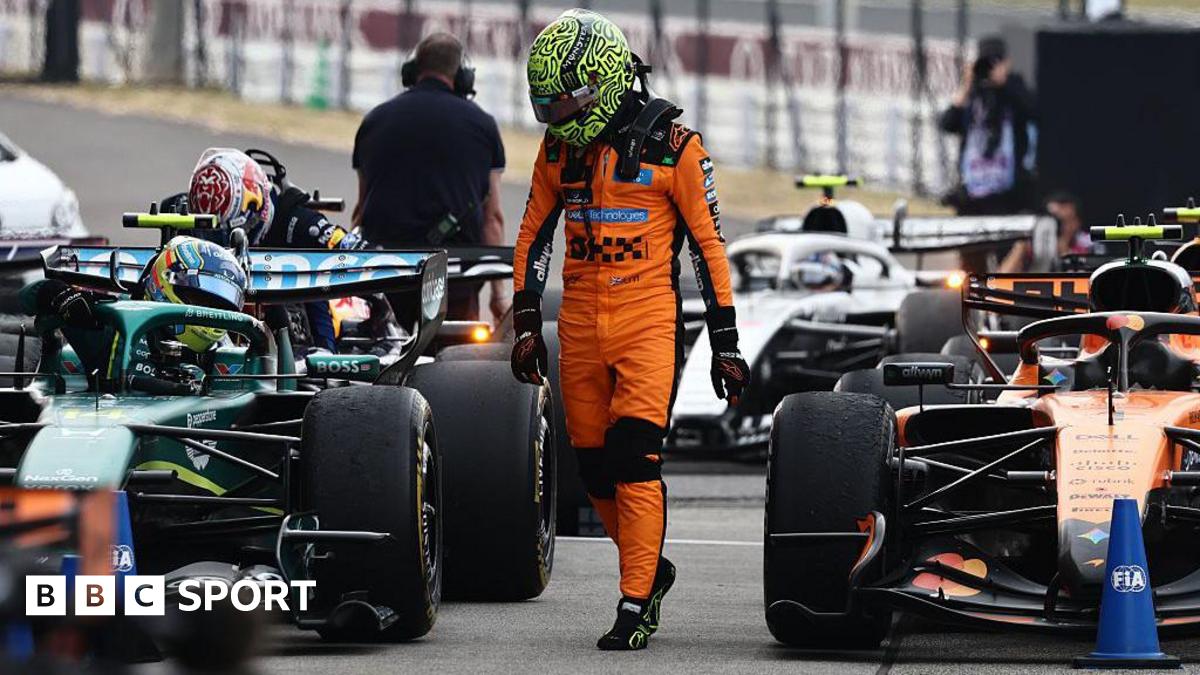
According to telemetry analysis from the FIA’s crack team of regulatory experts, it apparently takes precisely 30 days and three race weekends for problems to transition from “completely invisible” to “requiring urgent attention.” Revolutionary stuff, really.
Andrew Benson’s latest analysis reveals what F1 has learned during the first month of 2026’s new technical regulations, and the findings are about as surprising as finding sand in a desert. The sport’s governing body has now officially acknowledged issues that were flagging up like Christmas lights during winter testing, but evidently needed the added drama of actual championship points being distributed before anyone felt compelled to act.
The most pressing concern involves the new aerodynamic package, which has created what engineers diplomatically describe as “interesting handling characteristics” in high-speed corners. Less diplomatically, it’s producing cars that appear to have been designed by someone who fundamentally misunderstands the relationship between downforce and not spinning into barriers.
'The car feels like it's actively trying to kill me through the fast corners'
— Max Verstappen, post-race interview
Intercepted via a suspiciously open team radio channel.
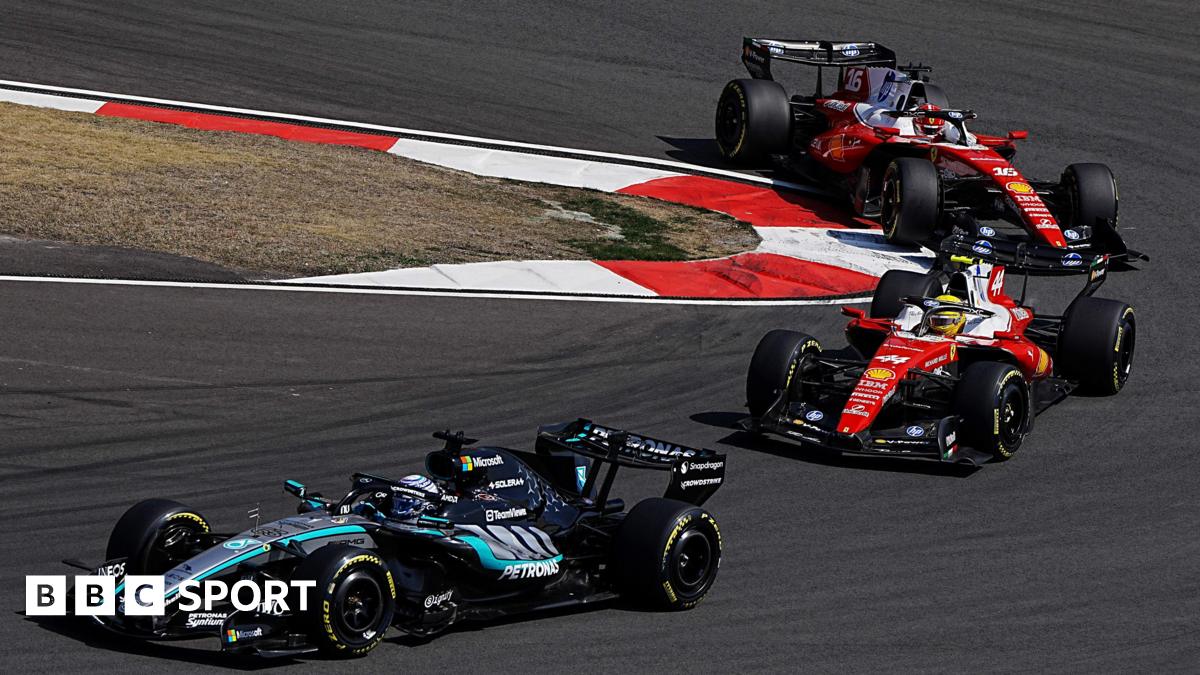
Mercedes’ complete dominance through the opening rounds has also raised awkward questions about whether the FIA’s regulation changes achieved their stated goal of creating closer competition, or simply reshuffled the deck chairs on the SS Predictability. Watching George Russell and Kimi Antonelli cruise to comfortable victories while the field spreads out behind them like a particularly uninspiring accordion has been a masterclass in unintended consequences.
The power unit regulations have produced their own delightful complications. The new hybrid system, designed to increase efficiency and reduce costs, has instead created a reliability lottery that makes Russian roulette look like a sensible investment strategy. Teams are reporting power delivery issues that range from “mildly inconvenient” to “potentially catastrophic,” which represents quite the spectrum of engineering achievement.
Safety concerns have also emerged, though these took a full month to register on the FIA’s sensitive detection equipment. The modified crash structures, while meeting all regulatory requirements on paper, have demonstrated some creative interpretations of physics during actual impacts. It’s almost as if testing components in isolation doesn’t perfectly replicate the complex interactions that occur when cars meet barriers at substantial velocities.
'We've identified several areas requiring immediate attention that somehow weren't visible during our extensive pre-season analysis'
— FIA Technical Delegate, emergency briefing
Delivered via a strongly worded post-race debrief. Apparently.
The tire allocation system, another brilliant innovation for 2026, has created strategic scenarios that would challenge a quantum computer. Teams are discovering that the optimal tire strategy now involves mathematical calculations so complex they require dedicated supercomputers, or alternatively, the ancient art of educated guessing followed by fervent prayer.
Perhaps most impressively, the FIA has managed to create regulations that simultaneously increase costs while reducing performance, which represents a remarkable achievement in bureaucratic efficiency. Teams are spending more money to go slower, which is precisely the opposite of what was promised but perfectly in line with what anyone who’s observed F1 regulation changes over the past decade might have predicted.
The governing body has announced that urgent meetings will be held during the current break to address these “unexpected developments.” The fact that these developments were unexpected only by the people who wrote the regulations adds a certain poetic quality to the entire situation.
Looking ahead to Miami, teams will implement interim solutions while the FIA contemplates more permanent fixes. Whether these solutions will create new problems requiring another month of careful observation remains to be seen, but if history is any guide, we can expect some fascinating discoveries around the Monaco Grand Prix weekend.
The sport moves forward with its characteristic blend of cutting-edge technology and organizational competence that would make a village fete committee proud. At least the problems are now officially visible, which represents genuine progress in the FIA’s ongoing relationship with the concept of cause and effect.