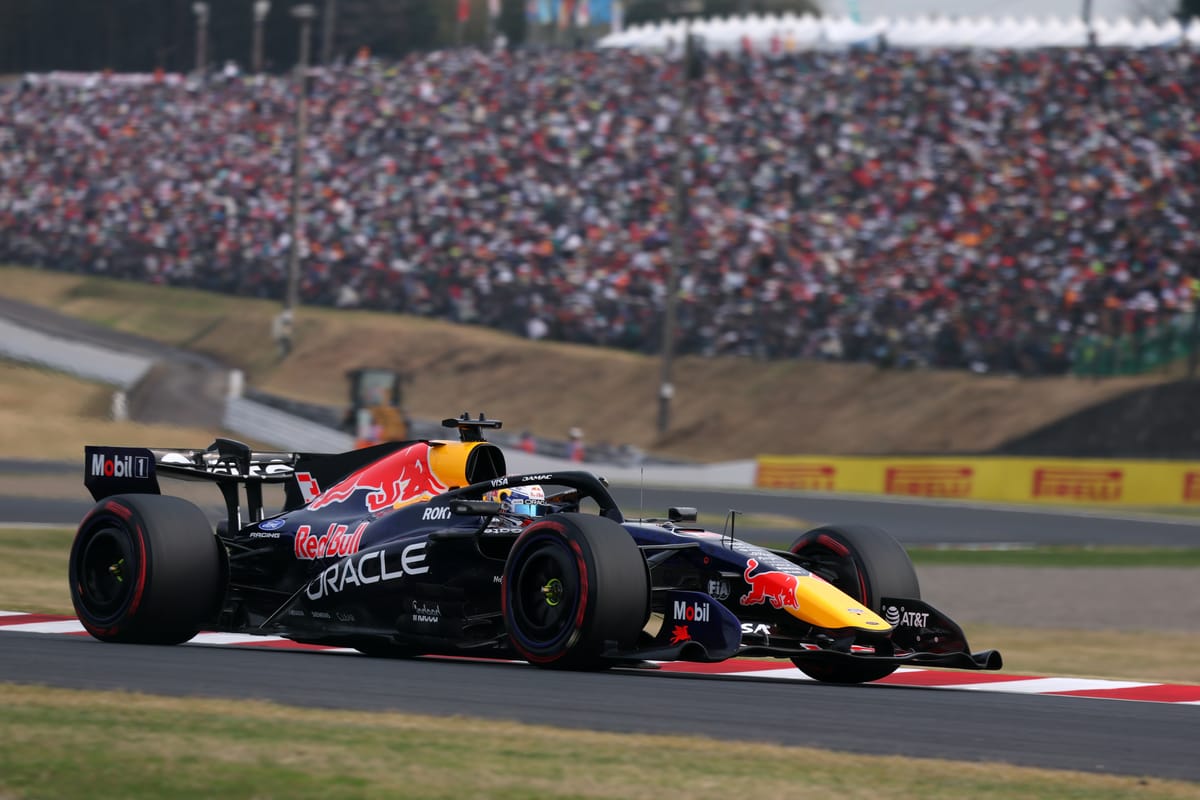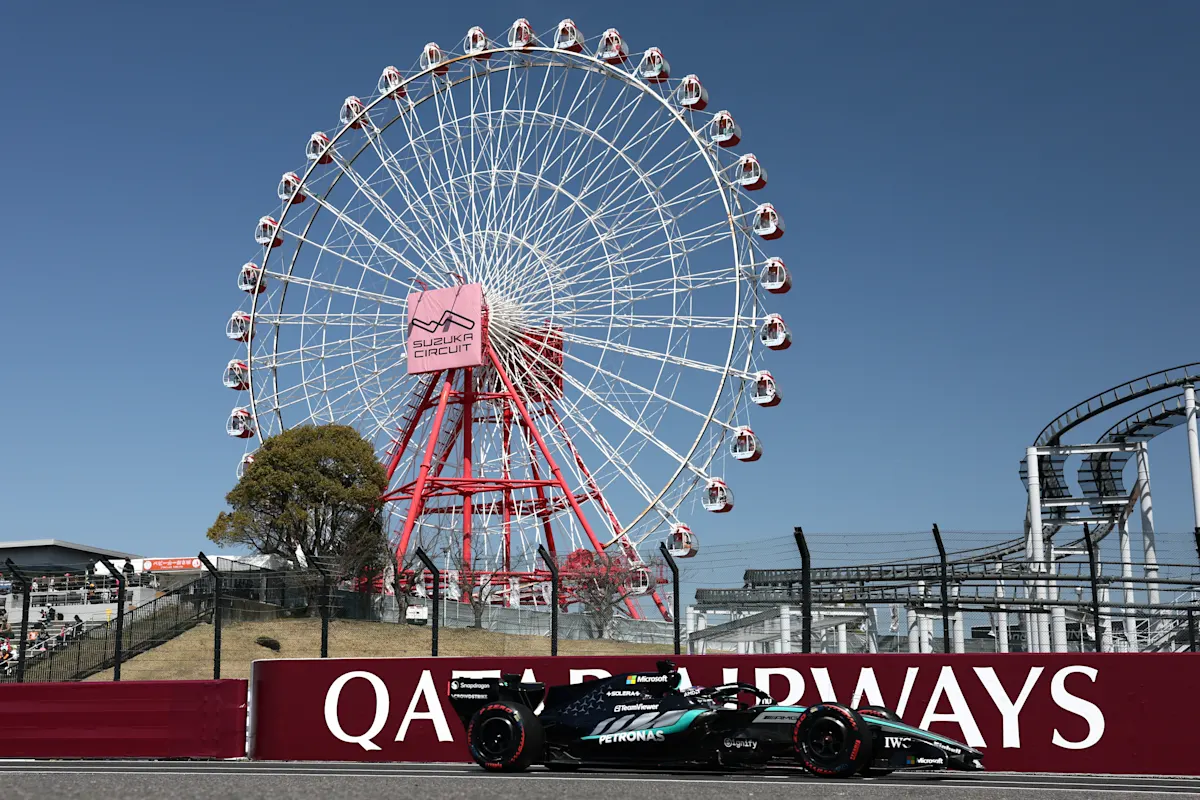
The telemetry showed normal readings until Turn 3 of the Australian GP, when the first puff of regulatory smoke emerged. Three races and 31 days later, the sport’s governing body announced their stunning discovery: the rules they wrote might need some work.
Andrew Benson’s forensic analysis reveals what Formula 1’s finest minds learned during their month-long investigation into their own handiwork. The findings were presented with all the urgency of a geological survey, documenting issues that became apparent roughly 47 minutes into the first practice session in Melbourne.
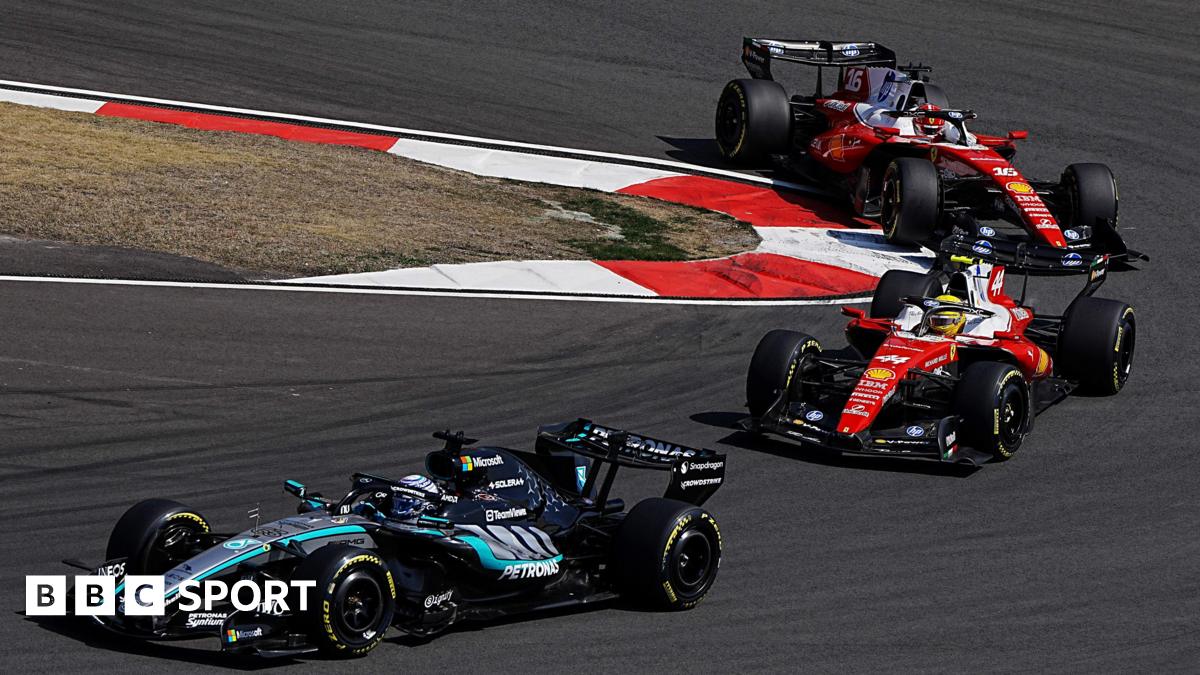
The racing quality deteriorated as predicted by approximately everyone except the people who wrote the regulations. Cars were found struggling to follow each other through medium-speed corners, a phenomenon that shocked officials who apparently missed the previous 15 years of aerodynamic development. The overtaking data was collected methodically, one disappointing weekend at a time.
'These new rules are absolutely brilliant, aren't they?'
— Max Verstappen, during Melbourne practice while sliding off track
Allegedly. Our legal team made us add that.
Qualifying formats were scrutinized with the thoroughness of a post-incident investigation. The new session structure produced results that were filed under “unexpected outcomes” by officials who seemed genuinely surprised that changing fundamental qualifying procedures might affect competitive balance. Teams adapted faster than the rule-makers could identify problems, a speed differential measured in weeks rather than milliseconds.
Safety concerns emerged through the time-tested method of watching cars hit barriers and noting the patterns. The data was comprehensive, collected across multiple circuits and impact angles. Officials documented each incident with scientific precision, building a robust case for modifications to rules that were implemented 32 days earlier.
The FIA’s analytical prowess reached its peak during the Chinese GP weekend, where qualifying issues were observed, recorded, and eventually acknowledged. Sprint weekend complications provided additional data points, each carefully catalogued for future reference. The evidence accumulated like debris after a first-corner incident.
'So we're just finding out about these problems now? Revolutionary stuff.'
— Anonymous team principal, during Bahrain paddock meeting
We found this written on a napkin in the McLaren hospitality.
Benson’s investigation revealed the regulatory equivalent of discovering fire is hot after extensive field testing. The month-long learning process demonstrated Formula 1’s commitment to evidence-based governance, even when that evidence consists of watching their own sport deteriorate in real-time.
The sport now enters its five-week break armed with fresh insights about problems that were visible from orbit. Officials plan to address these issues with the same lightning speed that identified them, ensuring solutions arrive just in time to affect the championship that’s already underway.
The cars will return to Miami carrying the weight of regulatory wisdom gained through the ancient practice of trial and error. The FIA’s discovery that observation leads to understanding represents a breakthrough in motorsport governance, achieved through the revolutionary technique of watching their own races.