The plan was simple: identify F1’s fundamental problems and implement meaningful solutions. Instead, according to Andrew Benson’s analysis of upcoming rule meetings, the sport’s governing body has discovered that the real innovation lies in doing virtually nothing while calling it progress.
In hindsight, expecting F1’s rule-makers to embrace revolutionary change was like expecting Max Verstappen to quietly accept P4 finishes — theoretically possible, but fundamentally incompatible with the ecosystem. The 2026 regulations were supposed to solve racing’s core issues, yet here we are, three races into the new era, watching Mercedes dominate while the FIA contemplates tweaking the equivalent of font sizes on the rulebook.
The comedy begins with the premise itself. F1 has identified its problems: processional racing, massive performance gaps, and cars that follow about as well as a shopping trolley with three working wheels. The logical response? Minor adjustments that address none of these issues while preserving the illusion of action.
'We need to look at everything except the things that actually matter'
— FIA official, probably
This may or may not have happened between lap 3 and the chequered flag.
Benson’s reporting reveals the FIA’s masterful approach to problem-solving: acknowledge the issues exist, convene meetings to discuss them, then implement changes so minor they’d struggle to affect a paper airplane’s aerodynamics, let alone a Formula 1 car’s. It’s the regulatory equivalent of treating a broken leg with a band-aid while insisting you’ve revolutionized orthopedic medicine.
The beauty of this strategy lies in its bulletproof logic. When the tweaks inevitably fail to address the underlying problems, the FIA can point to their proactive approach while preparing the next round of cosmetic adjustments. It’s a perpetual motion machine of bureaucratic activity that generates the appearance of progress without the inconvenience of actual change.
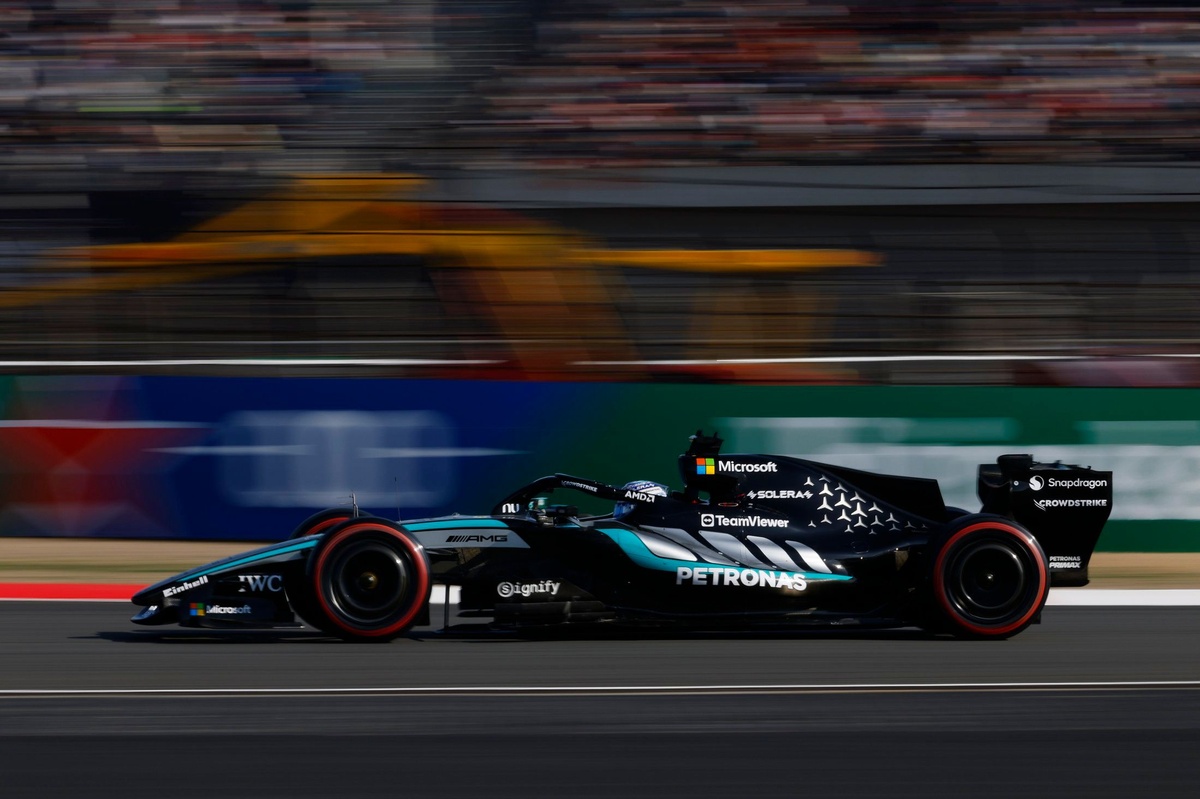
Meanwhile, the 2026 season continues to unfold exactly as the previous regulations predicted. Mercedes has discovered something the others haven’t, creating the kind of performance gap that makes for thrilling television if your idea of excitement involves watching George Russell manage tire temperatures for two hours. The other teams, naturally, are calling for urgent rule changes to address this imbalance — which the FIA will undoubtedly consider with the same revolutionary spirit that brought us here.
The irony reaches its peak when you consider that F1 spent years developing the 2026 regulations specifically to avoid this scenario. Countless hours of simulation, wind tunnel testing, and expert consultation culminated in rules designed to promote closer racing and reduce performance disparities. Three races later, we’re back to discussing minor tweaks as if the fundamental approach wasn’t flawed from conception.
'Maybe if we adjust the front wing angle by 0.5 degrees, everything will magically fix itself'
— Team principal, desperately
Probably. We weren't on that frequency.
The upcoming meetings will undoubtedly feature passionate discussions about marginal adjustments that might, theoretically, improve the situation by imperceptible amounts. Teams will present data supporting their preferred modifications, the FIA will nod thoughtfully, and everyone will agree that progress is being made. The fact that this progress resembles rearranging deck chairs on a very fast, very expensive Titanic will go diplomatically unmentioned.
In hindsight, the real revolution here isn’t in the rules themselves, but in the FIA’s approach to implementing them. They’ve discovered that the appearance of action can substitute for actual action, provided you frame the discussion correctly. It’s not stagnation — it’s measured, thoughtful evolution. It’s not avoiding difficult decisions — it’s respecting the sport’s heritage while embracing gradual improvement.
The genius lies in the sustainability of this approach. Unlike major overhauls that might actually solve problems and eliminate the need for further intervention, minor tweaks guarantee job security for rule-makers. There will always be another small adjustment to consider, another marginal improvement to implement, another meeting to schedule.
So as F1 prepares to revolutionize the sport through the radical act of changing almost nothing, we can rest assured that the fundamental issues plaguing the championship will remain intact for future generations to tweak, adjust, and gradually ignore. After all, why fix what’s broken when you can spend decades perfecting the art of almost fixing it?