In 1961, Enzo Ferrari famously declared that aerodynamics were for people who couldn’t build engines. Today, as the BBC launches a poll asking fans to choose the most beautiful F1 car from thirteen options spanning seven decades of motorsport, one cannot help but wonder if we’ve reached the inverse conclusion: that aesthetics are for people who can no longer build entertaining races. The timing of this exercise in automotive beauty pageantry, arriving precisely as drivers and fans unite in their chorus of complaints about the current state of Formula 1, suggests a profound shift in priorities that would have made the Old Man weep into his prosciutto.
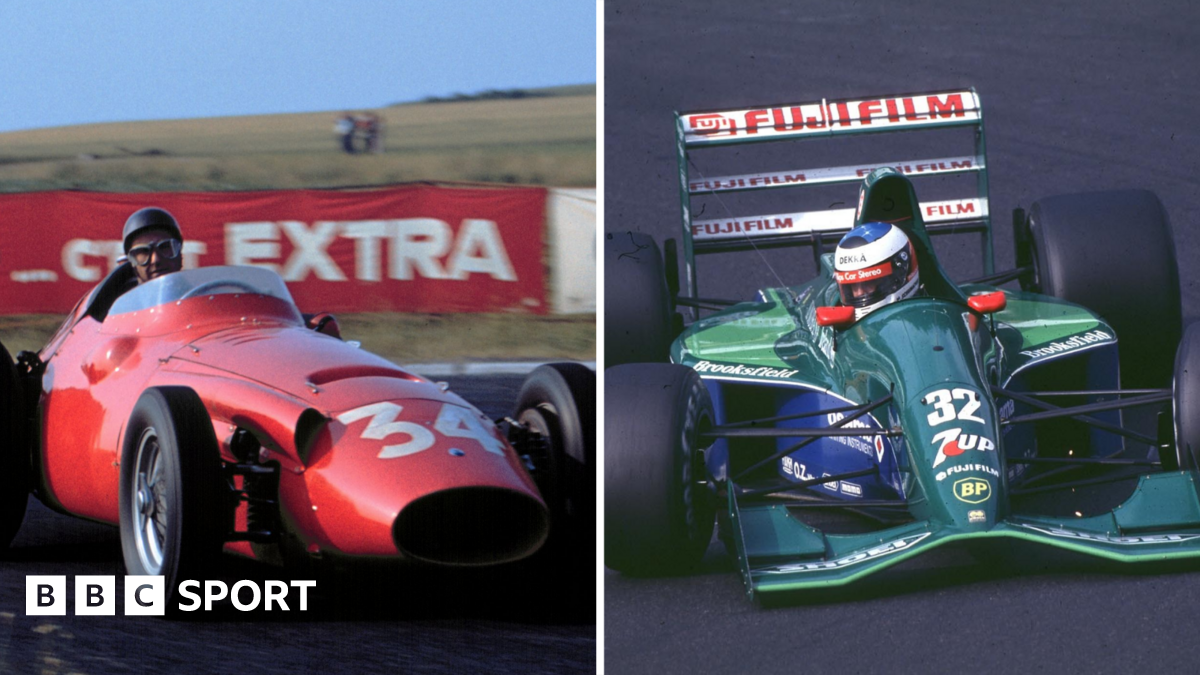
The BBC’s selection reads like a greatest hits album of Formula 1’s visual evolution, from the cigar-shaped simplicity of the 1950s through the ground-effect wedges of the late seventies, the turbo-charged monsters of the eighties, and right up to the hybrid-powered sculptures of today. It’s a noble endeavor, this celebration of form over function, particularly when function appears to have abandoned the sport entirely. The last time fans were this disengaged with the actual racing, Bernie Ecclestone was still promising that sprinklers would solve everything, and we all know how that particular piece of innovation theater concluded.
'The cars look amazing but I'm falling asleep behind the wheel'
— Anonymous driver, post-race debrief
Unverified. Our paddock sources are unreliable at best.
What makes this poll particularly delicious is its implicit acknowledgment that modern Formula 1 has become a visual medium first and a sporting spectacle second. The current generation of cars, with their complex front wings that resemble the fever dreams of aerospace engineers and floors so intricate they require PhD dissertations to understand, certainly photograph well for Instagram. They cut striking silhouettes against the Monaco harbor or the Singapore skyline, perfect for the sport’s social media machinery. Whether they can actually race wheel-to-wheel without their aerodynamic philosophy collapsing faster than a Williams strategy meeting is, apparently, a secondary consideration.
The historical context here is rich with irony. Formula 1’s golden eras of racing—the late sixties with their simple wings and mechanical grip, the early nineties with their naturally aspirated screams and relatively clean aerodynamics—consistently produced cars that were both beautiful and capable of genuine combat. The 1968 Lotus 49B didn’t just look like art; it could dice with the Ferrari 312 for lap after lap without either driver complaining about dirty air or thermal degradation. Today’s machines, for all their technological sophistication and undeniable visual impact, seem designed primarily for time trials with occasional interruptions for what we generously call racing.
'At least when we're stuck in a DRS train, the cars behind us look magnificent'
— Team strategist, explaining the positives
Allegedly. Our legal team made us add that.
Perhaps this is simply the natural evolution of a sport that has prioritized spectacle over substance for so long that the spectacle itself has become the substance. The BBC poll, in its innocent quest to celebrate automotive artistry, inadvertently highlights the fundamental disconnect between what Formula 1 claims to be—the pinnacle of motorsport—and what it has actually become: a very expensive museum exhibition that occasionally moves at high speed. The fans, bless them, have apparently accepted this reality with the resignation of long-suffering supporters everywhere, pivoting from “which team will win?” to “which car looks prettiest while not overtaking?”
The real tragedy is not that we’re reduced to beauty contests while the racing suffers, but that we’ve forgotten these two elements were once inseparable. The greatest Formula 1 cars in history achieved immortality not just through their aesthetic perfection, but through their ability to produce moments of sporting transcendence. The 1970 Ferrari 312B was gorgeous, yes, but it’s remembered because of what Clay Regazzoni and Jacky Ickx could do with it in anger. Today’s grid, for all their computational fluid dynamics and active aerodynamics, will likely be remembered for how they looked in the garage rather than how they raced on track.
So vote away, dear fans, for your most beautiful Formula 1 car. Choose the sleek lines of the sixties, the purposeful aggression of the eighties, or the technical artistry of today. Just remember that once upon a time, the most beautiful sight in Formula 1 wasn’t a stationary car in perfect lighting, but two drivers fighting wheel-to-wheel at 180 mph with nothing but skill and courage to separate them. Those days, like the simplicity they represented, appear to have been relegated to the history books alongside this poll’s more innocent entries.