Somewhere in the FIA’s Geneva offices, there’s probably a PowerPoint slide titled “2026: The Future of Formula 1” with bullet points about sustainability, overtaking, and closer racing. Three races into this brave new world, that presentation feels like it was written by people who’ve never actually sat in a racing car traveling at 200mph while trying to manage electrical energy, active wing angles, and whether to deploy boost mode before or after the DRS detection point that no longer exists.
The 2026 regulations represent the biggest technical shake-up in F1 history — bigger than the hybrid era, bigger than the ground effect return, bigger than any single change the sport has attempted. We’ve deleted the MGU-H, tripled the electrical power output, added movable aerodynamics, shrunk the cars, and asked drivers to become part-time electrical engineers. The result, after three weekends of racing, is a championship that looks suspiciously familiar at the front and utterly bewildering everywhere else.
The electrical maze
The most visible change isn’t actually visible at all. Where DRS gave drivers a simple button to press in designated zones, the new active aerodynamics and energy management systems have turned every lap into a complex optimization problem. Drivers now juggle “Overtake Mode” (extra electrical power when following closely), “Boost Mode” (maximum deployment on demand), and the constant need to harvest energy in designated braking zones.
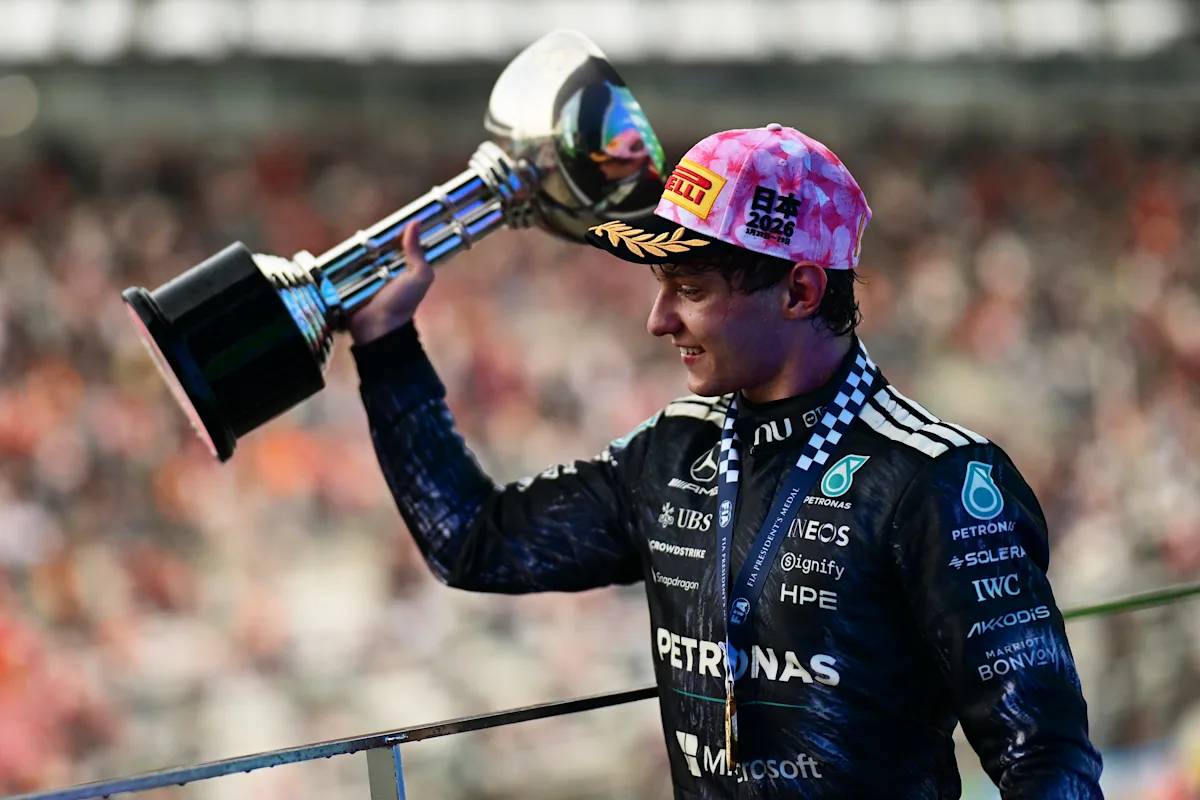
Kimi Antonelli, who leads the championship at 19 years old, seems to have adapted to this new reality with the kind of intuitive understanding that suggests he was born for it. His back-to-back wins in China and Japan weren’t just about raw pace — they were masterclasses in energy deployment timing. Watch the onboard footage from his Japan victory, and you’ll see a driver who treats battery percentage like a veteran treats tyre degradation.
'I've got 73% battery, do you want me to push now or save for the undercut window?'
— Kimi Antonelli, lap 23 at Suzuka
Reconstructed from memory. And by memory, we mean imagination.
Meanwhile, Max Verstappen — a driver who built his reputation on extracting performance from difficult machinery — has looked genuinely lost. His P11 qualifying at Suzuka and subsequent P8 finish weren’t just about car balance. They were about a three-time world champion struggling to adapt his driving style to a completely new set of physical and mental demands.
The weight of lightness
The 30kg weight reduction might sound like a simple engineering exercise, but it’s fundamentally changed how these cars behave. Lighter means more responsive, which sounds positive until you realize that “responsive” can also mean “twitchy” or “unpredictable” depending on your setup philosophy.
The narrower dimensions compound this effect. These cars are 200mm shorter and 100mm narrower than their predecessors, creating a driving experience that several drivers have described as “aggressive” in ways that have nothing to do with aerodynamics. The physical act of wrestling these machines around Monaco — when we get there in June — is going to be fascinating to watch.
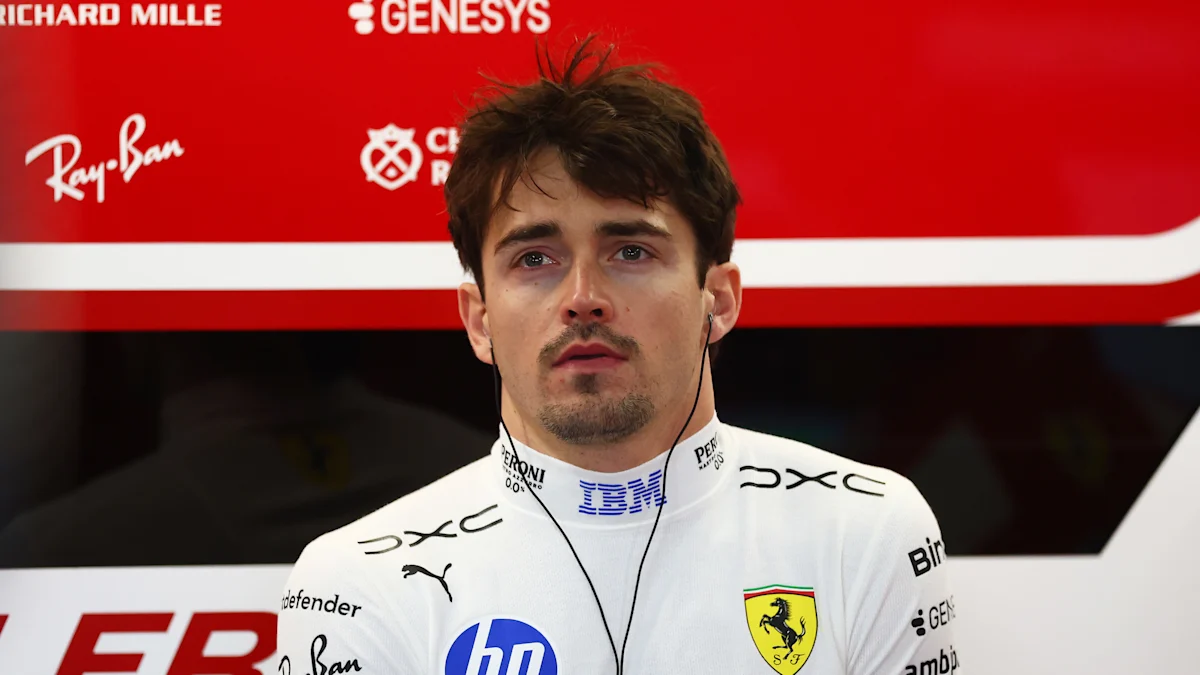
Ferrari seems to have found a sweet spot with the new dimensions. Both Charles Leclerc and Lewis Hamilton have consistently finished in the top six, and their wheel-to-wheel battles have produced some of the season’s most compelling racing. Hamilton’s adaptation to both a new team and new regulations deserves more credit than it’s receiving — switching from Mercedes to Ferrari in a normal season is challenging enough without having to relearn fundamental car dynamics at the same time.
Mercedes and the art of getting it right
If there’s a story that deserves genuine admiration, it’s Mercedes’ start to this season. Not because they’re winning — we’ve seen Mercedes win before — but because of how they’re winning. This isn’t the dominant car of the hybrid era steamrolling the field through superior power unit technology. This is a team that appears to have understood the new regulations better than anyone else and built a package that maximizes every element of the new technical framework.
George Russell and Antonelli aren’t just fast; they’re fast in the right places at the right times. Their energy deployment is more efficient, their active aerodynamics more effective, their race strategy more aligned with the new realities of battery management. Three wins from three races suggests this isn’t luck or good timing — it’s comprehensive technical superiority in an era where the rules were supposed to level the playing field.
What now?
Miami arrives next week as the first Sprint weekend under the new regulations, which adds another layer of complexity to an already complicated situation. Sprint qualifying, Sprint race, and Grand Prix all require different energy management strategies, different risk calculations, different approaches to the active aerodynamics systems.
The teams that have struggled so far — Red Bull, Aston Martin, McLaren in their darker moments — will use the Sprint format as a laboratory to test solutions. But Miami will also reveal whether Mercedes’ early advantage is built on solid foundations or whether other teams are simply taking longer to unlock the potential of these new machines.
Three races into the biggest regulatory revolution in F1 history, we have more questions than answers. But perhaps that’s exactly what the sport needed — a genuine reset that forces everyone, from world champions to rookies, to start learning all over again.