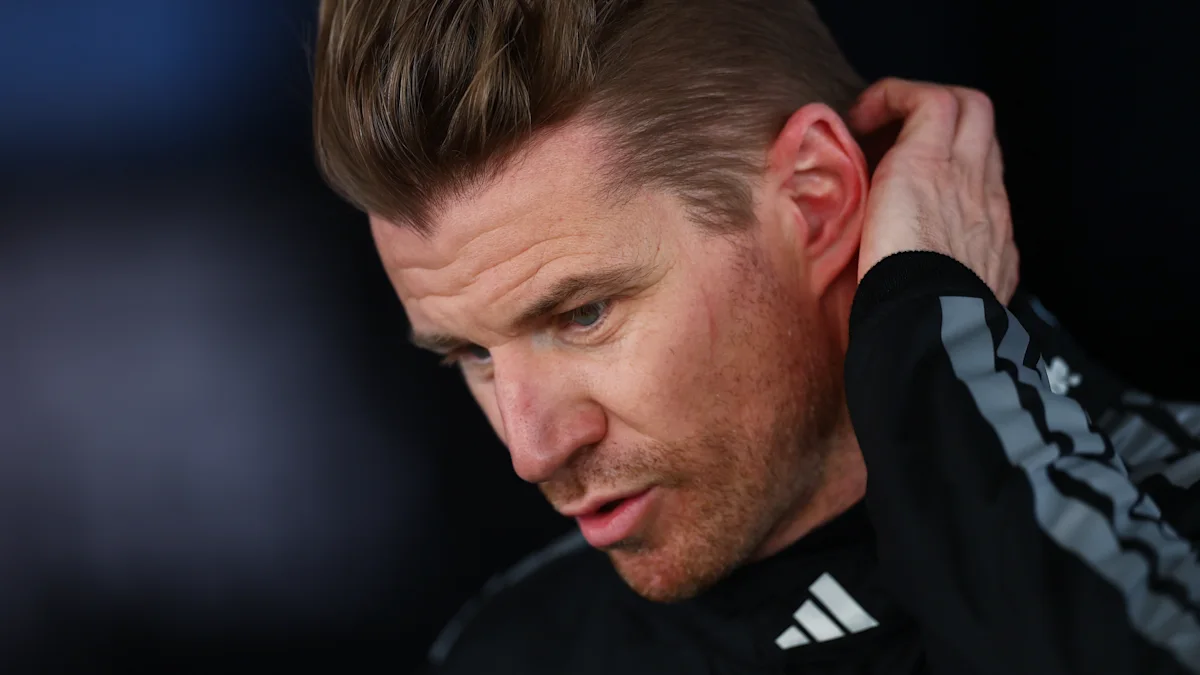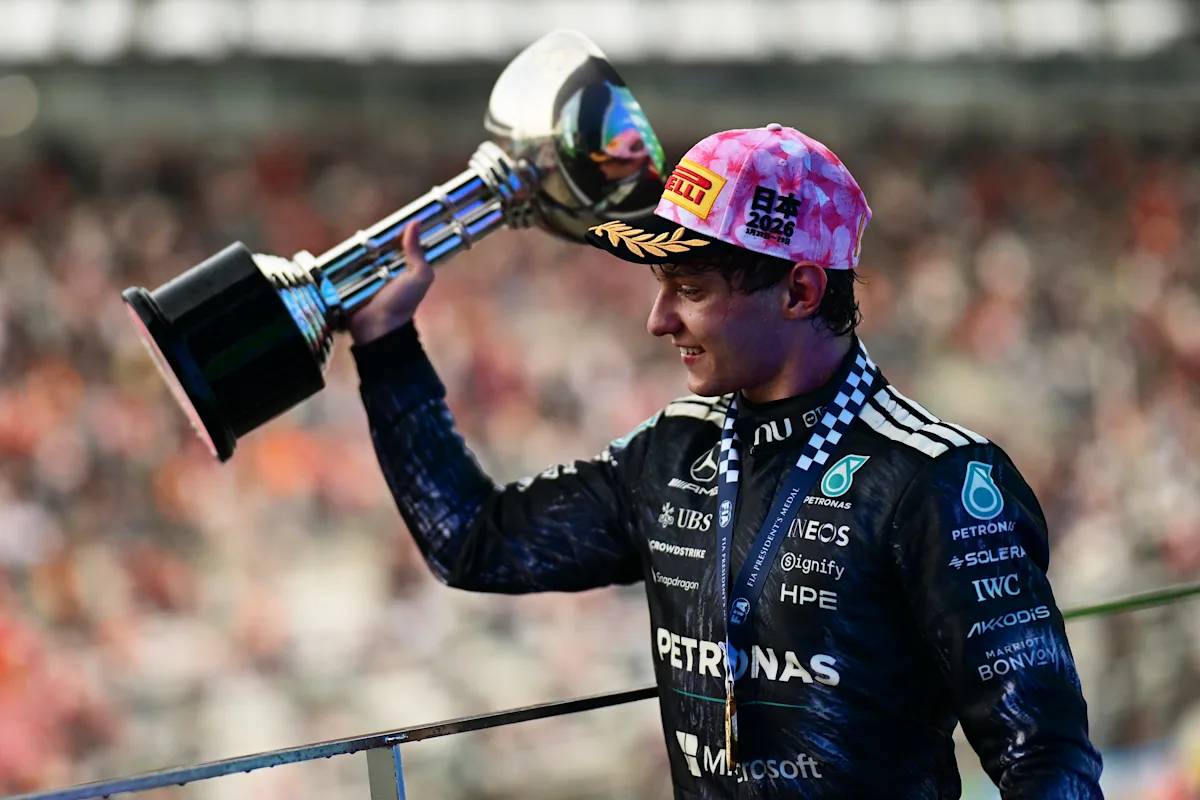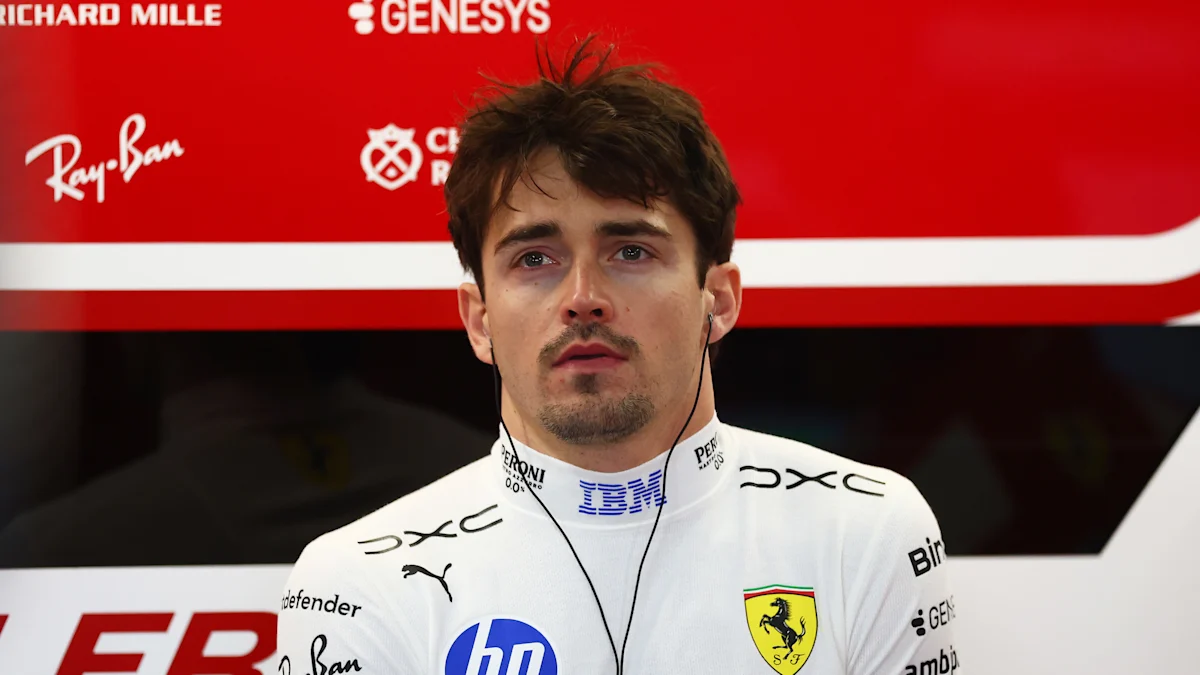
Three races. Three Mercedes wins. One very uncomfortable paddock.
We’re heading into Miami — the second Sprint weekend of 2026 — with the kind of championship table that makes everyone squirm. Kimi Antonelli, all 19 years of him, sits atop the standings with 72 points. His teammate George Russell trails by nine. Ferrari are 45 points back in the constructors’ championship, which sounds close until you remember we’re only three races deep into a 22-race season.
The questions are getting louder: did the 2026 regulations accidentally hand Mercedes another era of dominance? And if so, how long before the rest of the grid starts making angry noises about “unfair advantages” and “loopholes”?
The Miami factor
Miami loves chaos, and chaos loves Sprint weekends. We get one practice session on Friday before Sprint Qualifying, which means teams arrive with minimal data about how these radically different 2026 cars handle the Hard Rock Stadium circuit.
The active aerodynamics should theoretically make Miami’s long straights less painful for the traditionally downforce-heavy cars. But “theoretically” is doing heavy lifting when you’re dealing with energy management systems that teams are still figuring out three races into the season.
Mercedes have mastered the electrical deployment better than anyone so far. Their drivers can run longer stints without the battery cliff that’s been plaguing Red Bull and McLaren. In Miami’s heat, with limited practice time, that advantage could be decisive.
'The car feels different every lap. Not good different. Different different.'
— Max Verstappen, Japan practice
Allegedly. Our legal team made us add that.
Red Bull’s identity crisis
Verstappen qualified P11 in Japan. P11. The three-time world champion, reduced to fighting Gasly for P8 on Sunday, sounding genuinely confused about what his car was doing from corner to corner.
Red Bull’s 2026 struggles run deeper than setup issues. Their new Ford-partnered power unit lacks the electrical deployment sophistication that Mercedes have nailed. When you combine that with aero concepts that seem fundamentally wrong for these regulations, you get a team that looks lost.
Isack Hadjar, promoted to the senior team with such fanfare after his breakthrough 2025 season, has scored just four points in three races. The kid who took a podium at Zandvoort last year now looks like he’s driving a different category of car to the Mercedes drivers.
The most telling moment came in Japan when Verstappen, stuck behind Gasly’s Alpine for 15 laps, finally got on the radio: “This is not Formula 1.” Whether he meant the regulations, his car, or the entire situation remains unclear. Probably all three.
Ferrari find their feet
While Red Bull spiral, Ferrari have quietly assembled 90 constructors’ points and look genuinely competitive. Charles Leclerc has podiumed twice, Lewis Hamilton is adapting to the car’s quirks, and their power unit seems to handle the new electrical demands better than most.
Hamilton’s late-race battle with Norris in Japan — trading positions twice in the final three laps — showed glimpses of the driver who won seven championships. At 41, in his second Ferrari season, he’s not the favorite for another title. But he’s not finished either.
The Hamilton-Leclerc dynamic remains fascinating. Polite in public, aggressive on track, with neither quite willing to cede number one status. Ferrari haven’t had this problem since the Vettel-Leclerc days, which ended… let’s say sub-optimally.
Miami predictions
Sprint weekends reward teams that adapt quickly. Mercedes have the car balance to handle whatever Miami throws at them. Ferrari should be competitive if they avoid the strategic disasters that plagued them in previous Sprint formats.
McLaren desperately need points after their China double-DNF disaster. Piastri’s Japan podium proved they have pace, but reliability remains a question mark. Norris, meanwhile, is driving like someone who knows his championship defense is already in serious trouble.
The real story might be further back. Haas have 18 constructors’ points through three races — more than Red Bull Racing. Oliver Bearman has been genuinely impressive before his Japan crash, and Esteban Ocon brings the kind of consistency that scores points when chaos strikes.
Can anyone stop Mercedes? The honest answer is probably not this weekend. But Miami has a habit of producing unexpected results, especially when teams are still learning cars that are fundamentally different to anything they’ve raced before.