Three races into the 2026 revolution and we still have no idea what’s happening. That was supposed to be the plan — these new regulations would shake everything up, create unpredictability, make racing exciting again. What nobody expected was for Mercedes to simply win everything while everyone else figured out how to drive their cars.
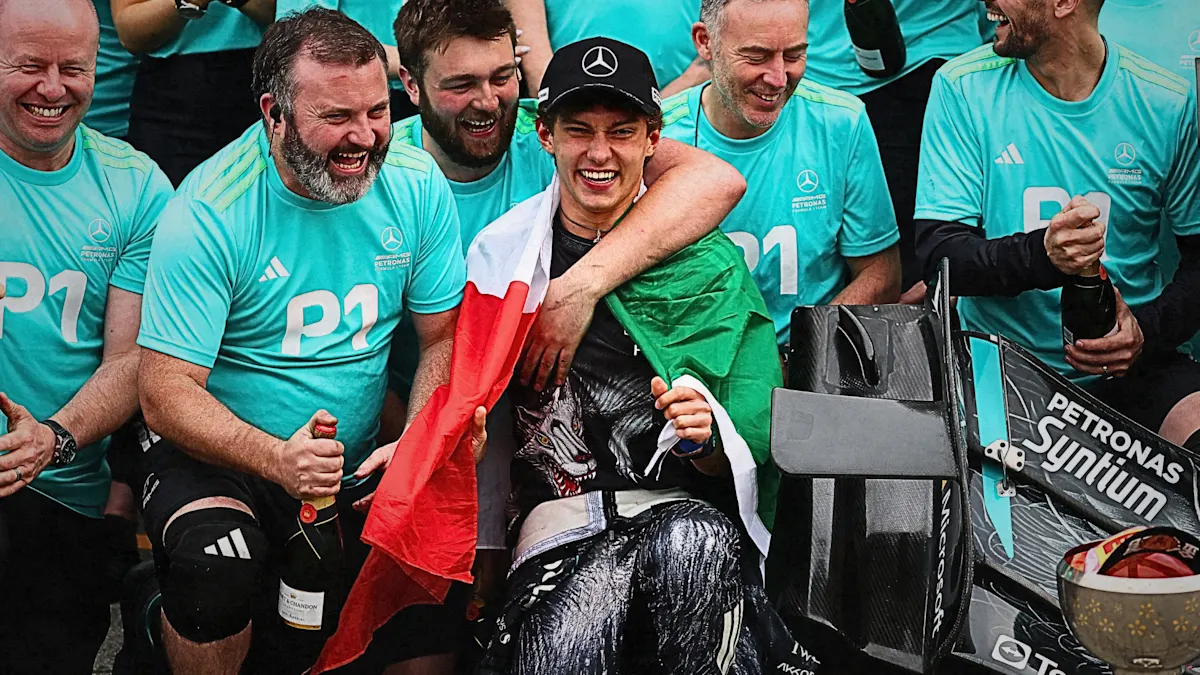
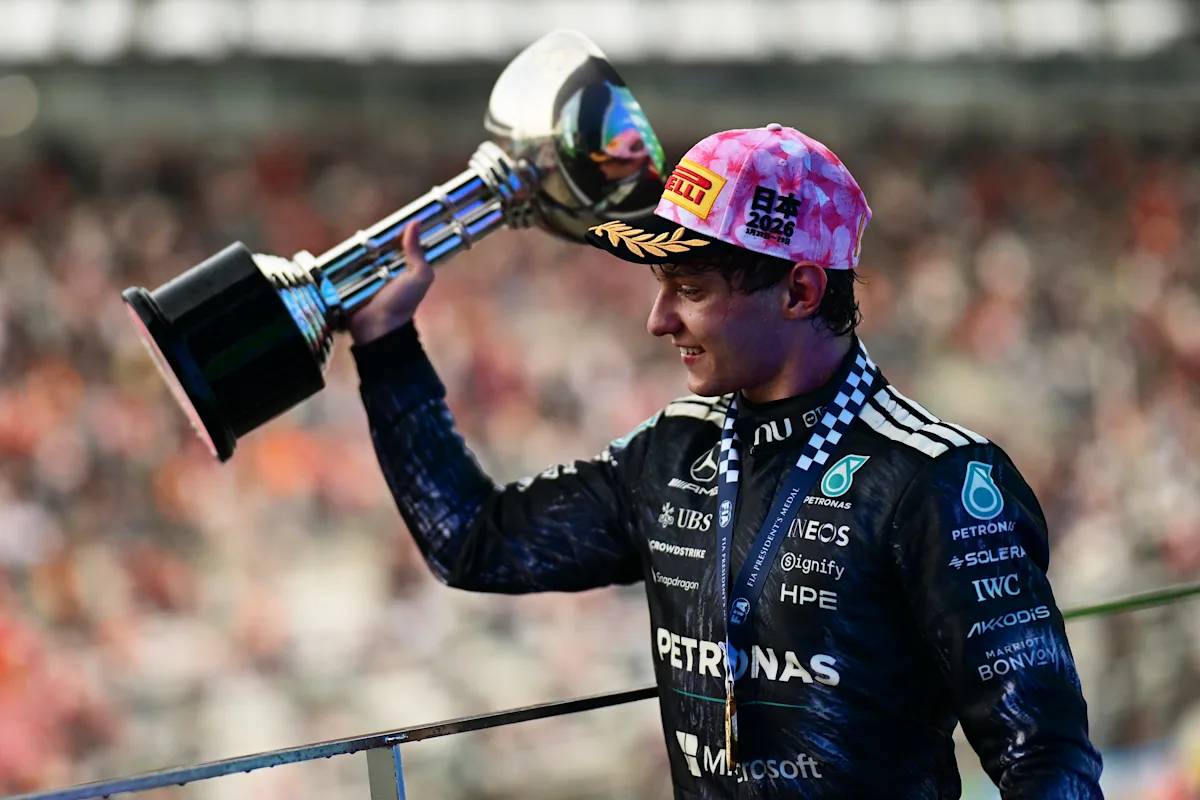
Kimi Antonelli leads the championship. At 19. In his second season. The kid who was supposed to learn quietly while George Russell carried Mercedes through their transition year is instead making Russell look like the supporting act. Back-to-back wins in China and Japan have put 72 points on his tally and left the rest of the paddock staring at telemetry data that makes no sense.
The Miami unknown
Sprint weekends were complicated enough when cars behaved predictably. Now we’re asking teams to perfect their setup over one practice session before Sprint Qualifying, all while managing battery deployment strategies that change every time the wind shifts direction.
Miami’s track characteristics — long straights, heavy braking zones, tight corners — should theoretically suit the new active aero systems. More opportunities for Overtake Mode, more energy recovery under braking, more strategic decisions about when to deploy Boost Mode. The reality is that nobody really knows how their car will behave until Friday practice.
Mercedes arrived in Florida with the same calm confidence they’ve shown all season. Russell and Antonelli have been the only pairing to consistently nail the energy management side of these regulations. While Verstappen complains about battery deployment and Hamilton struggles with power delivery, Mercedes just… work.
'The car feels completely different here. Like, completely different.'
— Max Verstappen, FP1
Allegedly. Our legal team made us add that.
Red Bull’s reality check
Verstappen’s championship drought now stretches back to Abu Dhabi 2025. For a driver who won three consecutive titles, going four months without a victory feels apocalyptic. The car that dominated the 2025 season finale looks lost in 2026, struggling with the simplified aerodynamics and the massive shift toward electrical power.
Isack Hadjar, promoted from Racing Bulls with such fanfare, has managed just four points from three races. The Frenchman who looked like a future star in the junior team is now drowning in the complexity of a Red Bull that even Verstappen can’t figure out.
Their plan was clear: use their experience with energy recovery from the KERS era, leverage their chassis expertise, and dominate the new regulations from day one. Instead, they’re watching Mercedes pull away while Alpine and Haas score more points than their junior team.
McLaren’s slow burn
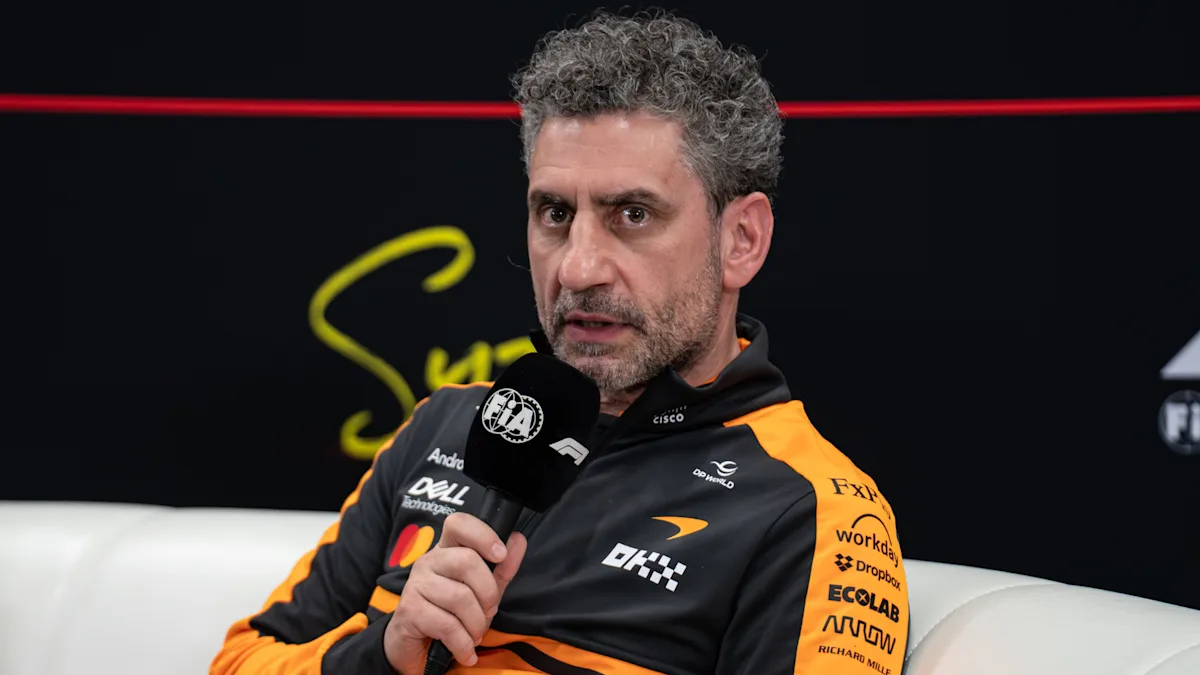
Oscar Piastri’s podium in Japan felt like vindication after the disasters of Australia and China. The Australian who crashed on his way to the grid at his home race, then watched his car fail completely in Shanghai, finally showed why McLaren believed their 2025 championship-winning package would translate to 2026.
Lando Norris, meanwhile, continues his quiet points accumulation. The defending champion sits fifth in the standings, 47 points behind Antonelli but still within striking distance if Mercedes stumble. His approach has been methodical — learn the car, understand the energy systems, wait for the chaos to settle.
There’s something almost McLaren-like about their 2026 campaign so far. Steady progress, technical competence, and the quiet confidence that they’ll be there when it matters. The plan was never to win in March. The plan was to be ready when the championship fight really begins.
What Miami tells us
This weekend will answer questions nobody knew they were asking three months ago. Can Mercedes maintain their energy management advantage on a track with different demands? Will Red Bull’s struggles continue on a circuit that should suit their chassis philosophy? Can Ferrari turn their consistent points-scoring into actual race wins?
The beauty of these new regulations is that every weekend feels like a reset. Track characteristics matter more than ever. Energy deployment strategies change based on weather, tire compounds, and fuel loads. Teams that looked hopeless in Australia suddenly find pace in Japan.
Miami has always been about spectacle over substance, but 2026 might be different. With active aerodynamics creating genuine overtaking opportunities and Boost Mode adding strategic depth, we might actually get racing that matches the marketing hype.
Antonelli arrives as championship leader, but he’s still 19 years old at his fourth-ever Sprint weekend. Russell comes with the experience but also the pressure of playing second fiddle to his teenage teammate. Behind them, nine other teams are desperately searching for the performance that’s been hiding somewhere in their data.
The plan was for Miami to be a glamorous sideshow in the championship fight. Instead, it might be where we finally understand what 2026 is actually about.