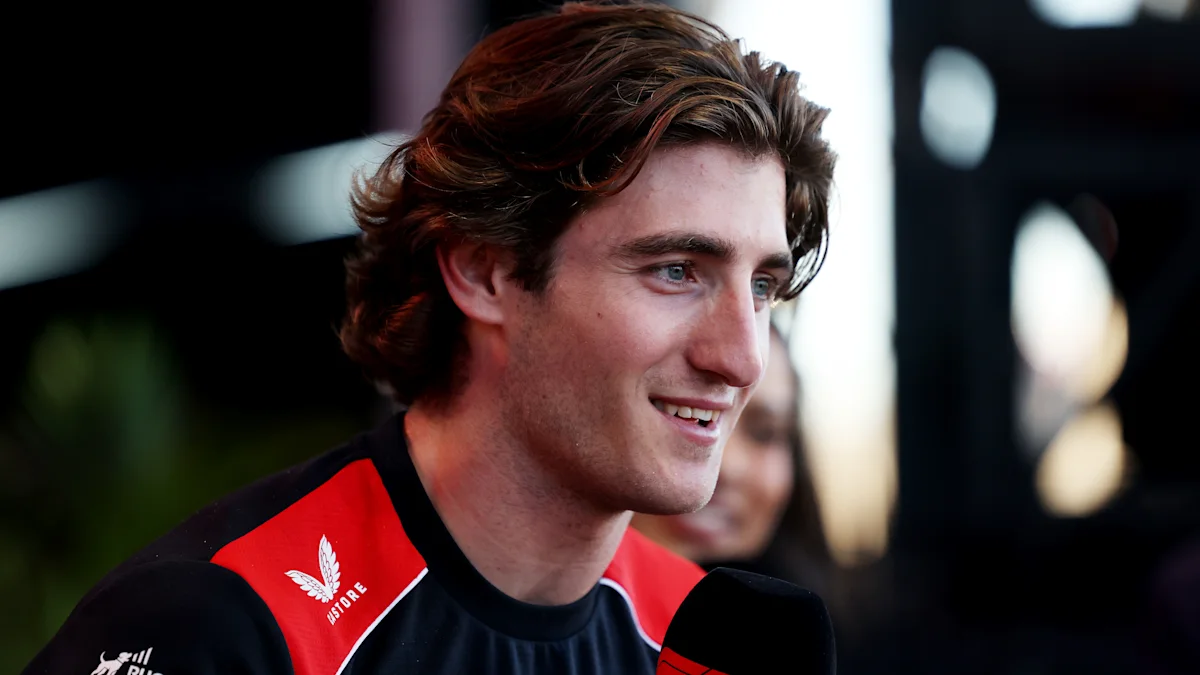
19 years old. Pole position. Race winner. Kimi Antonelli didn’t just announce himself to Formula 1 — he kicked the door down, walked to the front, and made himself comfortable.
The Mercedes driver claimed pole position on Saturday afternoon with a lap that rewrote the record books, becoming the youngest-ever Grand Prix polesitter at 19 years, 2 months, and 18 days. Twenty-four hours later, he converted that pole into his maiden victory with the kind of controlled drive that suggested he’d been doing this for years, not months.
Russell dutifully played wingman to finish second, completing Mercedes’ second 1-2 in three races. The German team now have 135 points from a possible 138 — the kind of dominance that makes you wonder if anyone else remembered to turn up for the 2026 season.
The numbers
Antonelli’s qualifying lap of 1:32.064 was 0.127 seconds faster than teammate Russell and nearly four tenths clear of Lewis Hamilton’s Ferrari in third. More importantly, it was the statement of intent from a teenager who many expected would need a full season to find his feet.
The race itself told a different story. While Antonelli controlled proceedings from the front, the real drama unfolded behind him — and in the garages of those who never made it to the start.
'Can we just clone this kid and put him in both cars?'
— Toto Wolff, watching Antonelli disappear into the distance
This may or may not have happened between lap 3 and the chequered flag.
When everything goes wrong
McLaren’s weekend deserves its own category in the dictionary under “catastrophic failure.” Both Lando Norris and Oscar Piastri suffered separate electrical issues that prevented them from taking the start — a double DNS that turned the defending champions’ home straight into a very expensive garage tour.
The sight of two McLaren mechanics staring forlornly at dead cars while Mercedes celebrated a 1-2 finish perfectly captured the brutal swing in fortunes that defines Formula 1. Last season’s title-winning team couldn’t get their cars to fire up. This season’s pace-setters couldn’t be stopped.
Verstappen’s late retirement with 10 laps remaining added another layer of chaos to proceedings. The three-time world champion had been struggling with the Red Bull all weekend, qualifying outside the top 10 and spending most of Sunday trapped behind slower cars. His DNF felt less like mechanical failure and more like mercy killing.
Ferrari finds form
The real positive story belonged to Ferrari, where Lewis Hamilton finally looked comfortable in red. His third-place finish marked his first podium since joining the Scuderia, and the smile on his face suggested this might be the breakthrough both driver and team had been waiting for.
Charles Leclerc’s fourth place meant Ferrari left Shanghai with solid points and genuine optimism — a marked improvement from the frustration that characterized Hamilton’s difficult first season in Maranello.
There’s something deeply satisfying about watching Hamilton rediscover his pace. The seven-time champion spent too much of 2025 looking like a tourist in his own career. This version — relaxed, confident, racing with purpose — feels more like the driver who defined a generation.
What now?
Antonelli leads the championship by nine points over Russell with 21 races remaining. Mercedes have won every race so far. The new regulations appear to suit them perfectly, their drivers are performing, and their nearest rivals are either breaking down or getting lost in the midfield.
The last time Mercedes started a season this dominantly, they won 16 of 19 races and both championships by margins that made the sport temporarily boring. Early days, but the signs are ominous for anyone hoping 2026 might offer genuine competition.
For now, though, let’s appreciate what we witnessed in Shanghai. A 19-year-old taking pole position and winning his first Grand Prix isn’t just a good story — it’s the kind of moment that reminds you why you fell in love with this ridiculous sport in the first place.