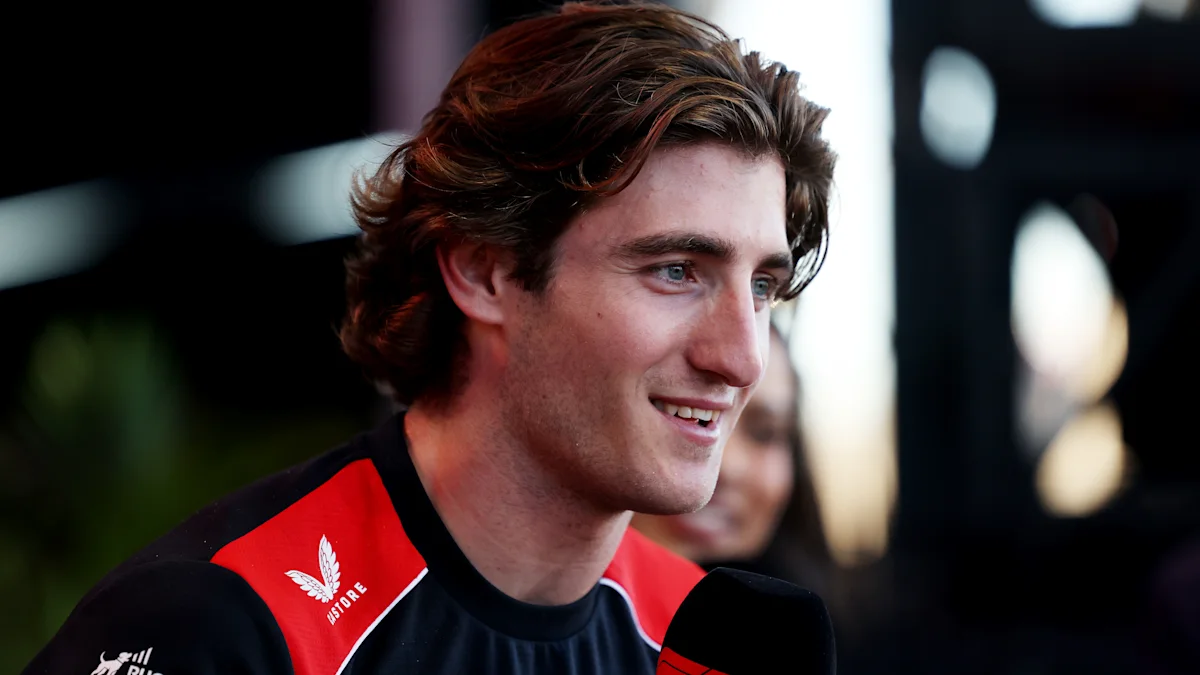
Nineteen years, eleven months, three days. That’s Kimi Antonelli’s age as Formula 1 heads to Miami, where the championship leader cannot legally purchase alcohol in the country hosting the next Grand Prix.
The Italian teenager sits atop the drivers’ standings with 72 points after back-to-back victories in China and Japan. He’s the youngest championship leader in F1 history, the youngest double race winner, and quite possibly the first points leader who still gets asked for ID when buying energy drinks at European petrol stations.
Miami presents a fascinating cultural collision: the sport’s newest sensation arriving in a city famous for nightlife, only to discover he’s legally restricted to the kids’ menu at most establishments.
The numbers don’t lie
Two wins from three starts. A 9-point lead over teammate George Russell. Mercedes sitting pretty with 135 constructors’ points and a car that appears genuinely dominant rather than just lucky.
The statistics paint a picture of precocious brilliance that recalls Lewis Hamilton’s rookie season or Max Verstappen’s early Red Bull days. But those drivers were at least old enough to celebrate properly in most countries.
Antonelli’s age creates genuinely unprecedented logistical puzzles for Mercedes. Team dinners require separate beverage menus. Sponsor events need careful planning around local alcohol regulations. The traditional champagne shower after wins becomes a carefully choreographed dance of legal compliance.
'Kimi, brilliant drive mate. Meet us at the hotel bar for celebrations. Actually, scratch that, meet us at... the hotel restaurant.'
— Toto Wolff, post-race Japan
Overheard through three walls of hospitality unit. Accuracy not guaranteed.
Growing up in public
The absurdity runs deeper than beverage restrictions. Here’s a driver who can command a Mercedes around Suzuka at 200mph, extract maximum performance from hybrid power units worth millions, and execute race strategy that would challenge seasoned veterans. Yet he cannot rent a car in most US states without additional insurance complications.
F1 has always been a sport where talent trumps age, but Antonelli represents something unprecedented in the modern era. Previous teenage sensations like Verstappen (17 when he started) or Hamilton (22 at McLaren) entered F1 when the sport carried less commercial weight, fewer media obligations, and simpler regulatory frameworks.
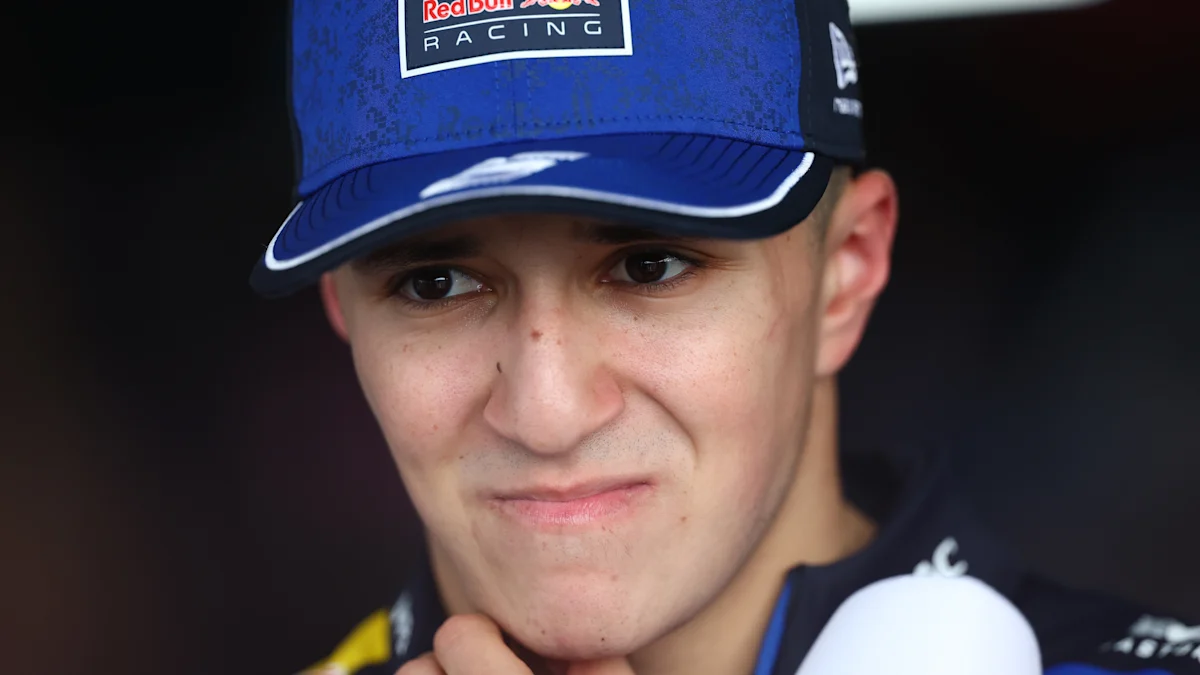
Antonelli navigates press conferences with the same calm precision he shows on track, but the questions reveal the strange duality of his position. Journalists ask about championship pressure and title ambitions, then follow up with queries about finishing school and weekend plans that don’t involve nightclubs.
The Miami test
This weekend presents the ultimate examination of F1’s newest star operating in an environment designed for adults with disposable income and flexible schedules. Miami’s paddock overflows with celebrities, influencers, and corporate hospitality that revolves around premium alcohol brands and late-night networking.
Mercedes will need to navigate this carefully. Their championship leader requires different handling than Russell, who can seamlessly transition from race debrief to sponsor cocktail reception. Antonelli’s schedule demands more structure, earlier nights, and creative solutions to traditional F1 social obligations.
The racing itself offers no such complications. Antonelli’s two wins came through pure pace and mature racecraft that belied his age. His wheel-to-wheel combat with Russell in China showed no deference to his more experienced teammate. His defense against Piastri’s late charge in Japan demonstrated the kind of pressure management that typically takes years to develop.
What happens next
The championship battle promises to intensify as teams bring upgrades and the calendar moves through Europe’s traditional strongholds. Antonelli’s age will become less relevant with each passing race, but the contrast between his professional achievements and personal restrictions creates a uniquely modern F1 narrative.
Perhaps most remarkably, none of this appears to faze him. Post-race interviews reveal a driver completely focused on performance rather than the peripheral complications of being a teenage millionaire in a global sport. His answers about car balance and tyre strategy carry more depth than many veterans manage after decades of media training.
Come December, if Antonelli maintains this trajectory, F1 might crown its youngest-ever world champion. The victory celebration in Abu Dhabi would be legally compliant worldwide.
For now, Miami awaits. The championship leader will arrive ready to race, even if he’ll be ordering virgin mojitos at the afterparty.