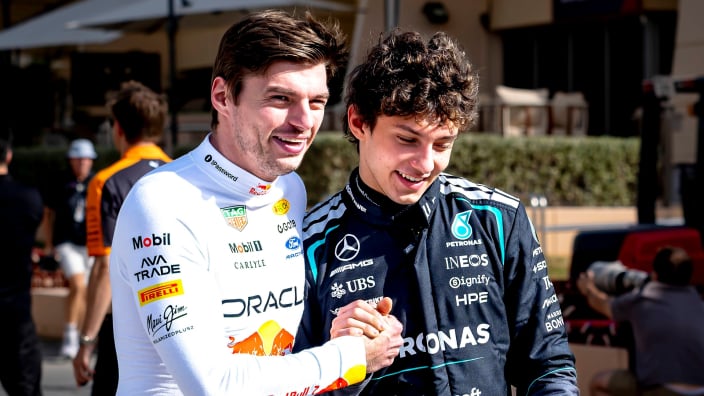
Seventy-two points. That’s what separates the championship leader from the driver everyone assumed would be fighting for his fourth title by now. The difference? One is 19 years old and has won two of the first three races. The other is Max Verstappen.
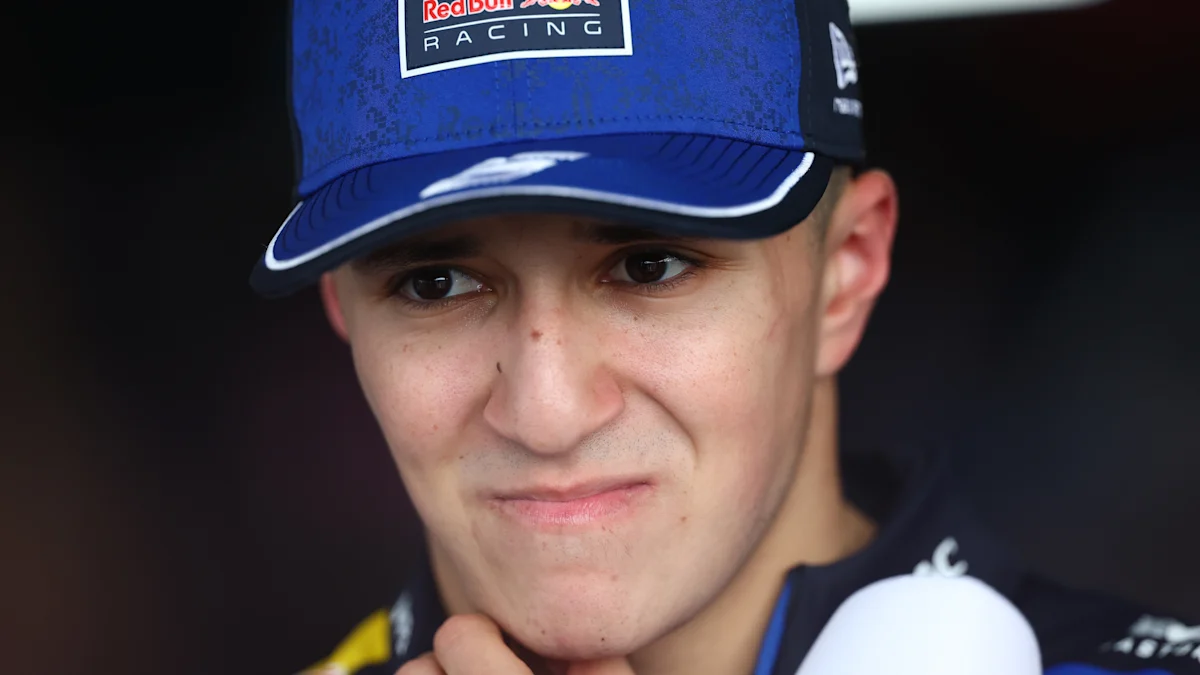
Three rounds into the 2026 season, Kimi Antonelli sits atop the drivers’ standings with the kind of calm authority that should take years to develop. Meanwhile, Verstappen — the man who dominated F1 for the better part of four seasons — is languishing in eighth place with the expression of someone who’s just discovered his favourite restaurant has started serving microwave meals.
The numbers tell a story that would have seemed impossible six months ago. Antonelli has 72 points from three races. Verstappen has 12. To put that in perspective: Oliver Bearman, driving a Haas, has more points than the defending champion’s teammate.
'This car feels like it was designed by someone who hates me personally.'
— Max Verstappen, lap 34 at Suzuka
Unverified. Our paddock sources are unreliable at best.
The kid who doesn’t blink
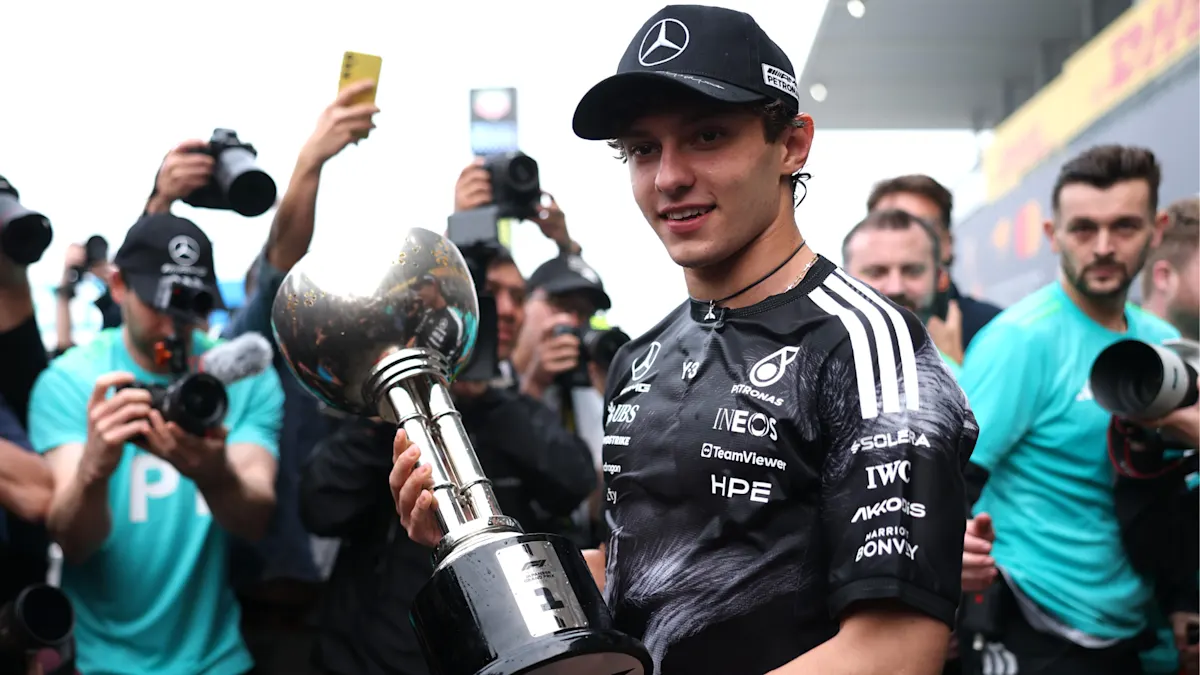
Watch Antonelli in the cockpit and you see something unsettling: complete composure. At Suzuka, he managed his first stint with the patience of a chess master, extending 20 laps beyond what anyone thought possible on those tyres. When Oliver Bearman’s crash brought out the Safety Car on lap 22, Antonelli was perfectly positioned to pit and emerge in the lead.
The timing was so perfect it had Russell audibly questioning the universe on team radio. But here’s the thing about luck in F1 — you have to be in position to benefit from it. Antonelli was running the strategy that put him there. At 19.
His win at China came from pure pace and racecraft. His victory at Suzuka came from strategic brilliance and tyre management that would make Pirelli engineers weep with joy. Two different skill sets, both executed with the kind of precision that usually takes a decade to develop.
This isn’t beginner’s luck. This is a generational talent announcing himself with the subtlety of a foghorn.
Red Bull’s regulation roulette
The 2026 regulation changes were supposed to level the playing field. Instead, they’ve created a hierarchy where Mercedes have perfected active aerodynamics while Red Bull appear to be fighting their own car more than their competitors.
The MGU-K delivering 350kW instead of 120kW should suit Red Bull’s aggressive philosophy. The return to flat-bottomed cars should eliminate the porpoising issues that plagued them in the ground effect era. The shorter, lighter cars should play to their traditional strengths.
Instead, Verstappen qualified 11th at Suzuka and spent most of Sunday trapped behind Pierre Gasly’s Alpine like a Ferrari stuck behind a tractor on a country road. The car that dominated the sport for three years now struggles to find pace in a regulation set that was meant to shuffle the deck.
Christian Horner’s pre-season confidence about “writing a new chapter” has aged about as well as milk left in the Florida sun. The chapter they’re writing appears to be titled “How to Turn a Championship Car into a Midfield Philosophy Project.”
The Mercedes machine
Credit where it’s due: Mercedes have approached 2026 like they approached 2014. While other teams scrambled to understand active aerodynamics and energy management, Mercedes built a car that makes both look effortless.
George Russell’s victory in Australia was clinical. Antonelli’s wins in China and Japan showcased different aspects of the car’s capabilities — pure pace in Shanghai, strategic flexibility at Suzuka. Three races, three different paths to victory, all executed with the kind of precision that suggests months of preparation rather than lucky guesses.
They’ve also managed their drivers perfectly. Russell gets his moment in Australia, then plays the perfect supporting role for Antonelli’s breakthrough. No drama, no politics, just two drivers extracting maximum performance from a superior package.
It’s the kind of professional operation that makes you remember why they won eight consecutive constructors’ titles between 2014 and 2021.
What comes next?
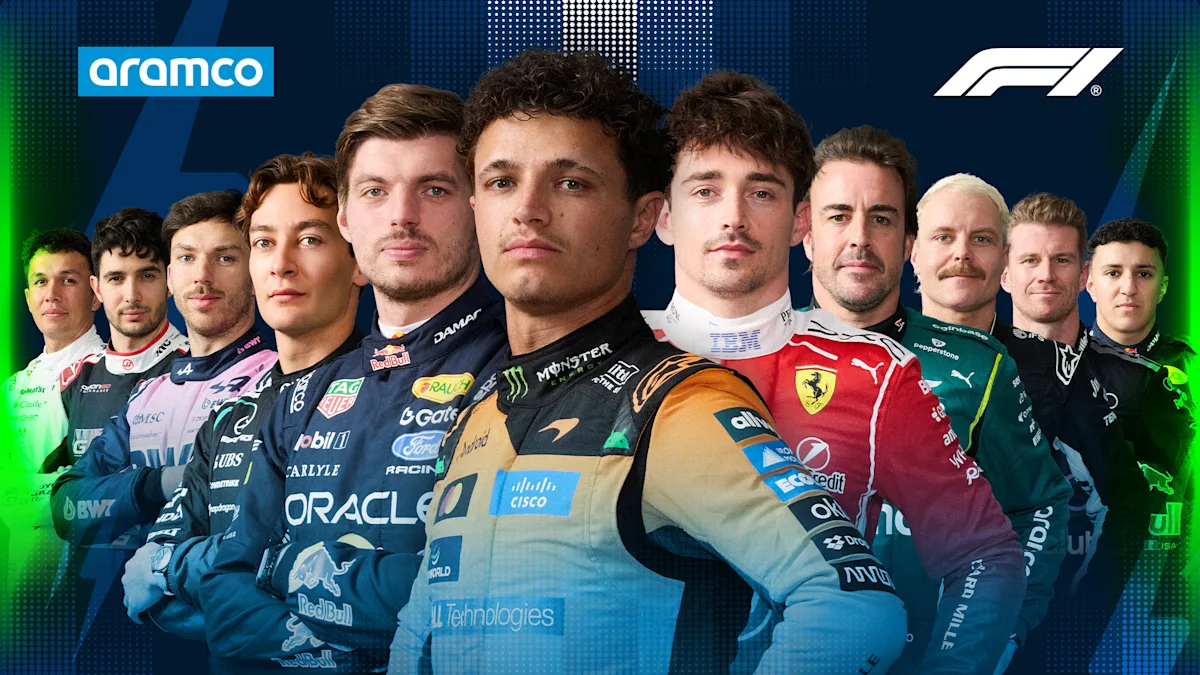
Miami arrives with a championship picture nobody predicted. A teenager leads by nine points over his teammate. Ferrari sit third and fourth with Hamilton finally looking comfortable in red. McLaren showed signs of life with Piastri’s podium. And Verstappen sits eighth, presumably wondering if someone switched his car with a Racing Bulls while he wasn’t looking.
The regulation reset was meant to create unpredictability. Instead, it’s created something more interesting: a complete reshuffling of the established order. The question now isn’t whether Mercedes will dominate 2026 — it’s whether anyone can stop a 19-year-old from making it look easy.
Verstappen will recover. Champions always do. But right now, F1 belongs to Kimi Antonelli, and he’s driving like he plans to keep it that way.