Zero points. Three races. Four DNFs.
Aston Martin entered 2026 as the sport’s biggest spenders, armed with a Honda power unit deal that cost them more than some teams’ entire budgets. They’ve got Fernando Alonso, still one of the grid’s sharpest operators at 44. They’ve got Lawrence Stroll’s bottomless wallet and a factory that looks like a spaceship landed in Silverstone.
What they don’t have is a single championship point.
The numbers don’t lie
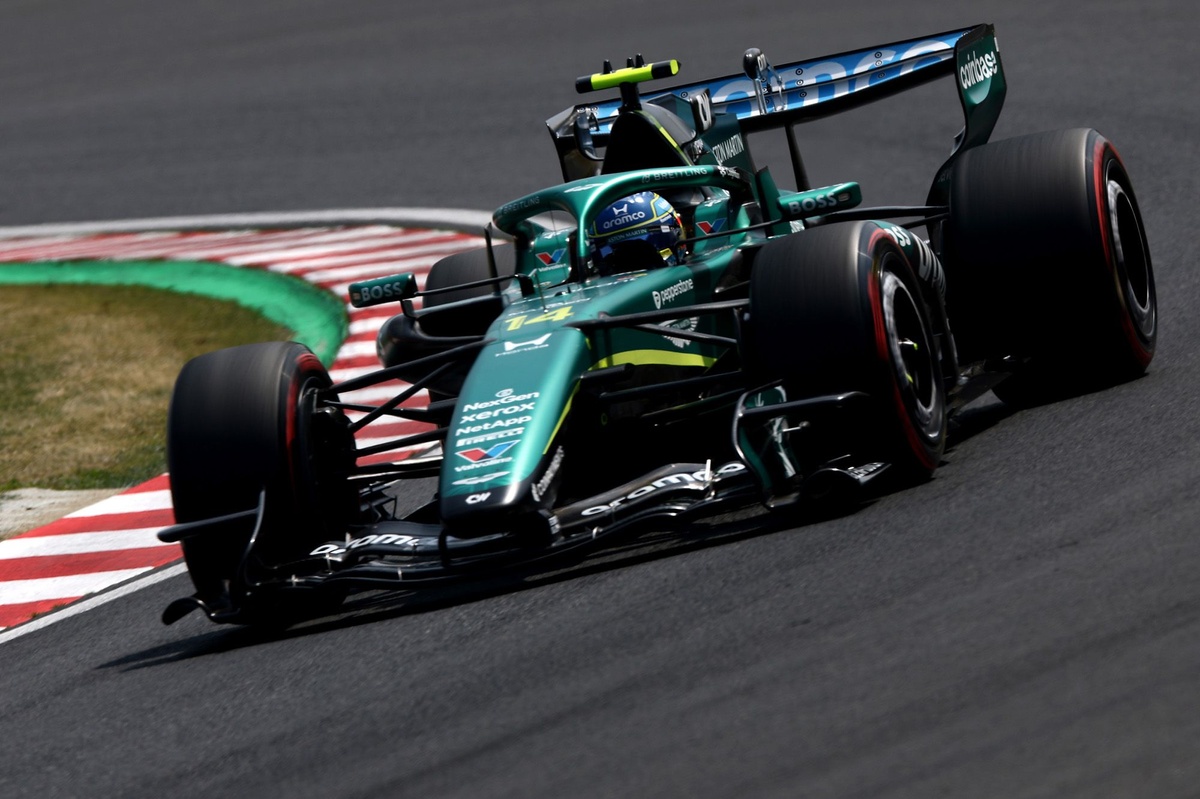
Let’s run through this disaster reel. Australia: both cars retired with what the team diplomatically called “power unit issues.” China: Lance Stroll’s car stopped dead on track, triggering the race’s only Safety Car. Japan: Stroll again, this time with suspected water pressure problems.
That’s four mechanical failures in six possible race finishes. The only reason Alonso made it to the chequered flag in China was because his engine decided to wait until after the podium ceremony to completely give up.
Honda’s return to F1 was supposed to herald a new era of Japanese engineering excellence. Instead, it’s starting to look like they forgot how internal combustion works during their year away from the sport.
'The engine feels like it was built by someone who has never seen an engine before'
— Fernando Alonso, post-Japan debrief
This may or may not have happened between lap 3 and the chequered flag.
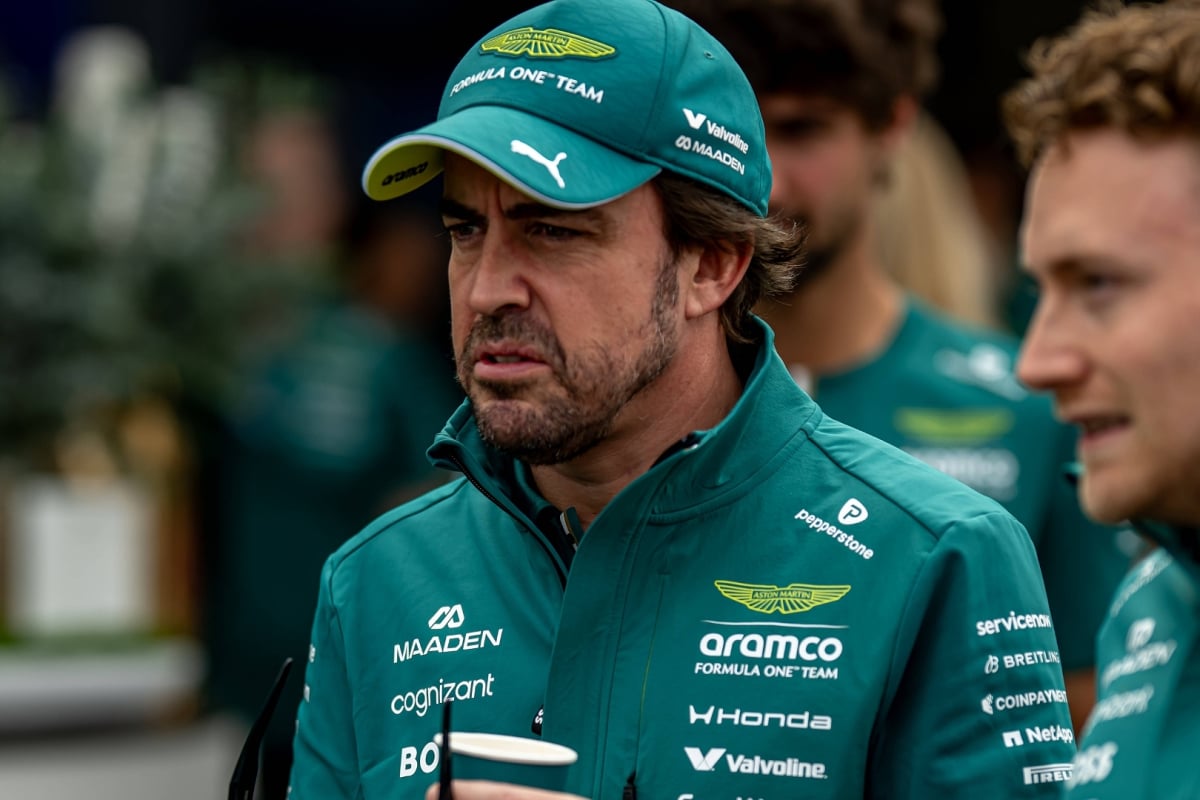
Alonso’s patience runs thin
This is Fernando Alonso we’re talking about. The man who dragged dog-slow McLarens to podium contention through sheer force of will. Who turned Alpine into a legitimate midfield threat. Who can make any car look faster than it has any right to be.
Even he can’t drive around engines that simply refuse to stay switched on.
The Spaniard’s post-race comments have grown progressively sharper with each DNF. After Australia, it was diplomatic concern about “reliability challenges.” After China, it became pointed questions about Honda’s testing procedures. After Japan, sources suggest he used words that would make a sailor blush.
This is a driver who’s spent the last decade watching inferior cars beat him purely on reliability. Now he’s got what should be a decent chassis hampered by power units that seem allergic to completing race distances.
The Stroll factor
Lawrence Stroll didn’t buy his way into F1 to watch his team collect sympathy points. The man built a fashion empire and expects results that match his investment. Aston Martin’s 2026 budget is rumored to exceed $400 million when you factor in facility costs, Honda engine payments, and driver salaries.
That’s more than some Premier League clubs spend annually. For zero points.
Lance Stroll, meanwhile, has become the unwitting face of this mechanical meltdown. Two DNFs in three races isn’t his fault, but it’s certainly not helping his already fragile reputation among fans who question his seat based on surname alone.
The younger Stroll actually looked competitive in qualifying trim when his car stayed together long enough to set a lap time. But F1 doesn’t award points for potential, and mechanical sympathy only goes so far.
What now?
Miami looms in three weeks, and Aston Martin desperately needs a clean weekend. Not podiums or miracle results — just two cars that can complete 57 laps without spontaneous combustion.
Honda, for their part, insists they’ve identified the root causes and implemented fixes. They said similar things after Australia. And China. The pattern suggests either profound incompetence or a fundamental design flaw that can’t be solved with software updates.
Alonso’s contract runs through 2026, but don’t think for a second he won’t start exploring options if this continues. The man didn’t return to F1 to spend his final years watching pit lane mechanics push his car back to the garage.
Aston Martin built themselves a palace. Now they need to figure out how to make the lights stay on.