April 1st, 2026. The FIA has outdone itself.
In a press release that reads like it was written during a fever dream in Geneva, motorsport’s governing body has announced the most comprehensive entertainment overhaul in Formula 1 history. The “F1 Fun Initiative” will take effect from the 2027 season, and frankly, it makes the current active aero regulations look conservative.
The new rules
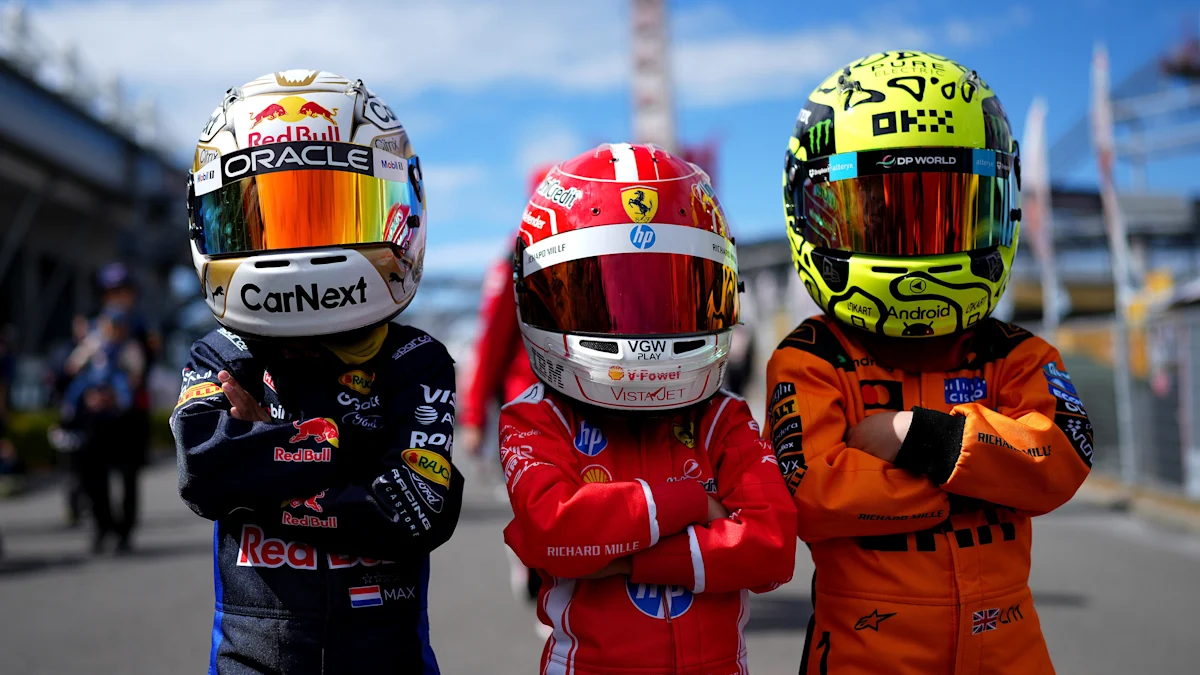
First up: mandatory clown attire. Every driver must wear a full rainbow-colored racing suit with oversized polka dots, complemented by regulation red nose attachments that will be integrated into their helmet designs. The FIA’s technical directive specifies the nose must be “no smaller than 50mm in diameter” and “audibly squeakable when pressed.”
“We want to bring joy back to motorsport,” explained FIA President Mohammed Ben Sulayem in today’s announcement. “For too long, F1 has been dominated by serious faces and technical jargon. It’s time to embrace our inner circus.”
The costume requirements extend beyond drivers. Team principals must wear oversized bow ties that spin when activated by a button on their pit wall stations. Mechanics will don striped shirts and suspenders, with mandatory juggling demonstrations during pit stops that exceed four seconds.
But the real showstopper? Unicorn mascots.
Each team must designate an official unicorn representative who will stand on the pit wall throughout every session. These mythical creatures - or rather, team members in elaborate unicorn costumes - will be responsible for “spreading magic and wonder” during television broadcasts. The technical regulations specify horn length (minimum 300mm), mane fluffiness standards, and glitter distribution requirements.
'The unicorn is blocking my view of Turn 3. Can someone move the unicorn?'
— Max Verstappen, Miami practice
Intercepted via a suspiciously open team radio channel.
Pirelli goes rainbow
Pirelli’s contribution to this carnival involves completely redesigning their tyre compounds. Gone are the traditional color-coded sidewalls - hello rainbow spectrum rubber. The Italian manufacturer will produce seven different compounds for 2027, each representing a different color of the rainbow, plus an eighth “unicorn white” compound reserved for wet weather.
The performance characteristics remain mysterious. Pirelli’s Mario Isola would only say that “purple tyres will make drivers giggle uncontrollably” and “orange compounds may cause spontaneous dancing in the cockpit.”
Teams are already expressing concerns about strategy implications. How do you plan pit windows when your driver might break into the Macarena halfway through a stint?
Mercedes respond with typical German efficiency
Toto Wolff, speaking from the Mercedes factory in Brackley, seemed remarkably prepared for today’s announcement. “We have been developing our unicorn integration systems since January,” he revealed. “Our aerodynamics department has run extensive CFD simulations on horn positioning and its impact on pit wall airflow.”
Mercedes have reportedly hired a professional unicorn trainer (yes, that’s apparently a real job) and are already testing glitter-resistant pit equipment. Their unicorn mascot, tentatively named “Sir Sparkles Hamilton,” will make its debut at Miami.
Ferrari, meanwhile, have taken a more traditional approach. Their unicorn will be red, obviously, and Mattia Binotto’s replacement has promised it will be “the fastest mythical creature on the grid.”
The serious bit
Here’s the thing about April Fools’ Day in F1: sometimes the joke reveals something real about the sport we love.
The FIA’s actual regulatory changes for 2026 were already so dramatic - active aero, massively increased hybrid power, completely redesigned cars - that adding clown suits doesn’t feel entirely impossible. We’ve watched this sport transform from pure racing into entertainment spectacle so gradually that rainbow tyres might genuinely improve the show.
And maybe that’s the point. When your sport already features artificial DRS zones, mandatory pit stops, and reverse-grid sprint qualifying discussions, the line between legitimate innovation and circus act gets pretty blurry.
The fact that several paddock insiders initially believed today’s announcement (before checking their calendars) says everything about where F1 sits in 2026. We’re already living in a world where cars change their aerodynamic configuration mid-corner and drivers manage electrical energy like a video game. Adding unicorns barely moves the needle.
What happens now?
The FIA expects full compliance by the 2027 Australian Grand Prix. Teams have until December to source their unicorn costumes and complete mandatory juggling certification for their mechanics.
Liberty Media shares rose 12% following today’s announcement, with CEO Greg Maffei noting that “unicorn merchandise represents an untapped revenue stream worth potentially billions.”
Whether this enhances the sport or destroys it depends entirely on your perspective. But given that Kimi Antonelli is currently leading the championship in a car that actively changes shape during races, perhaps a few rainbow tyres and squeaky noses are exactly what F1 needs.
After all, if you’re going to be a circus, you might as well embrace the tent.