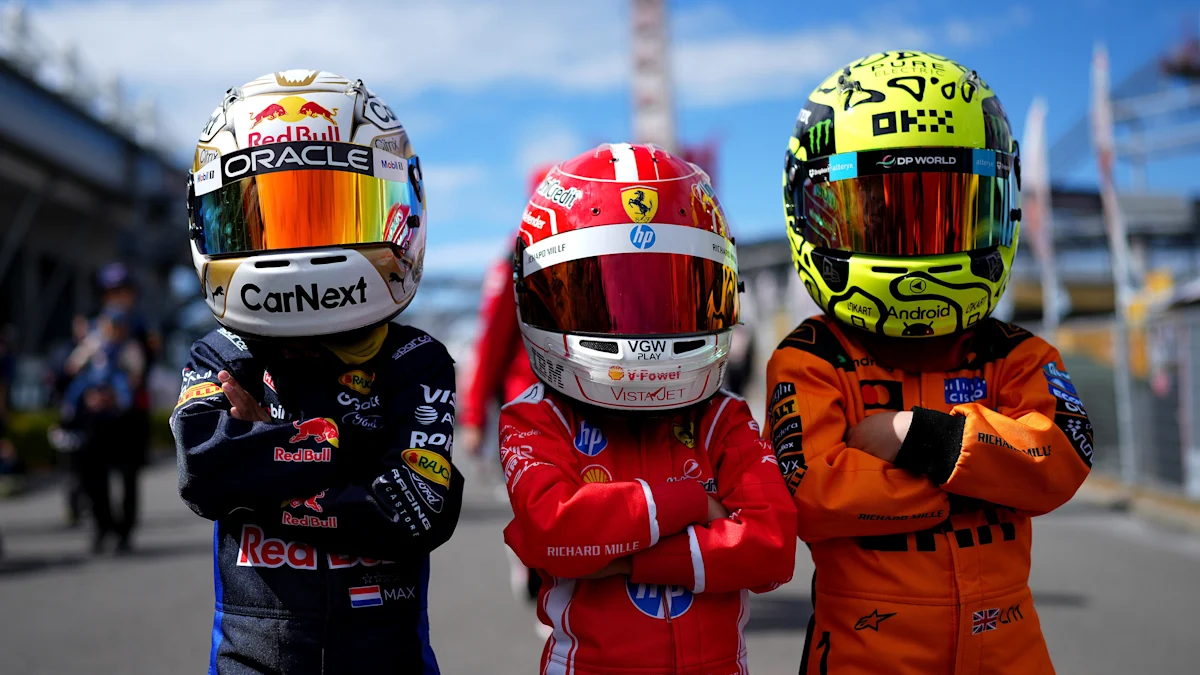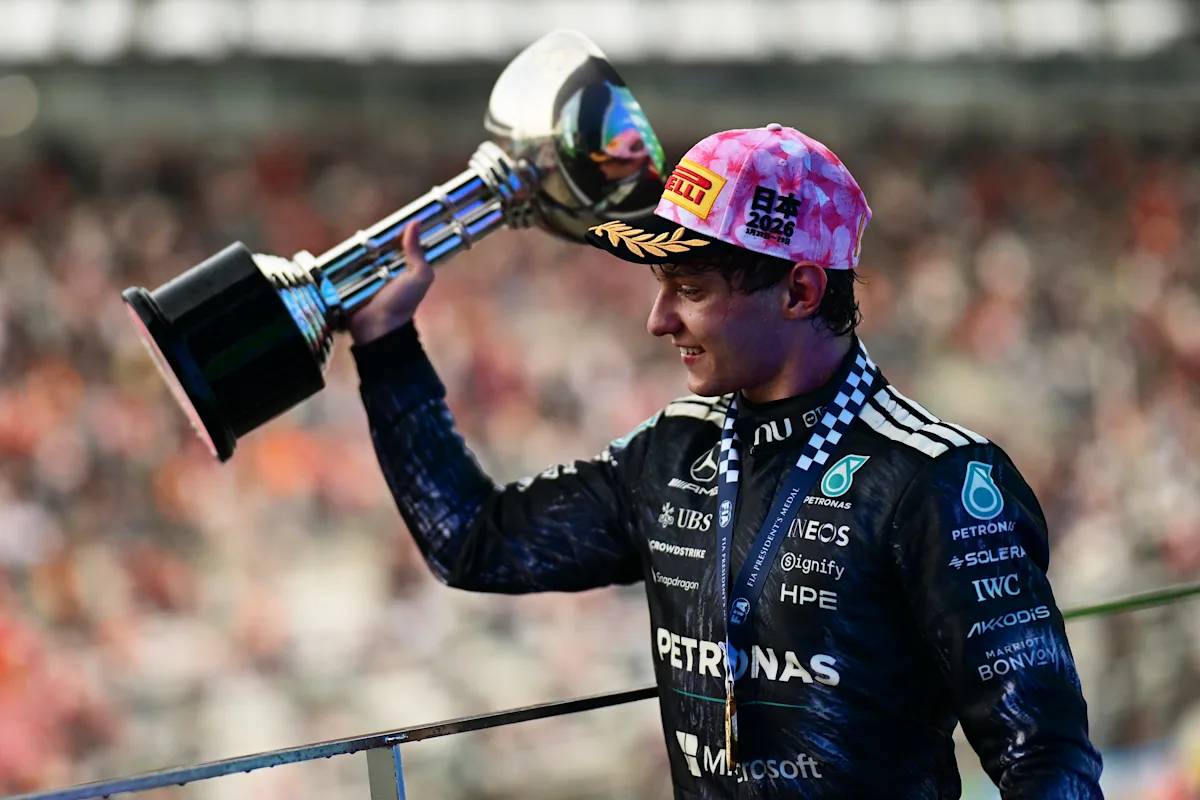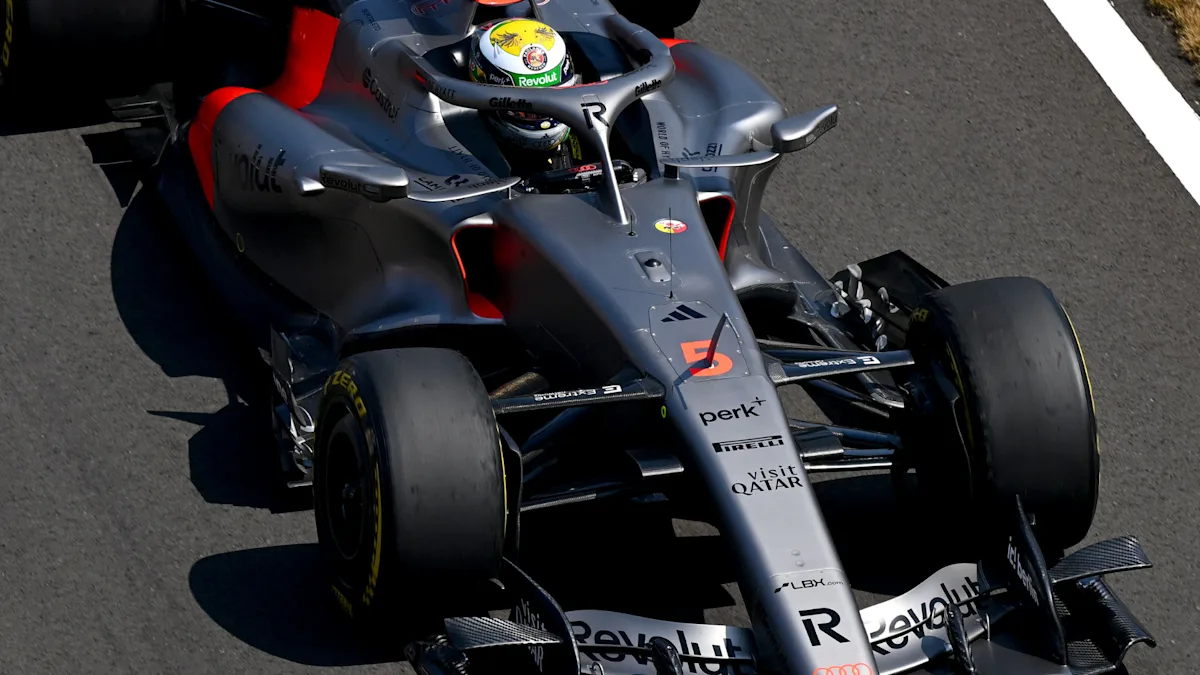
The calendar says April 1st. The paddock says “hold my champagne.”
Formula 1’s annual descent into official nonsense arrived right on schedule, with teams and the FIA competing to see who could announce the most ridiculous fake regulation while keeping completely straight faces. The problem? Half of these “jokes” sound entirely plausible given F1’s recent history.
The highlights reel
McLaren kicked things off with their announcement of Project ARIA — an AI driver replacement program designed to “eliminate human error and emotional decision-making from racing.” The press release included technical specifications for their “Neural Racing Interface” and quoted Andrea Stella saying drivers would be “phased out gradually, starting with anyone who complains about the car balance.”
The FIA countered with their proposal for mandatory “Sporting Conduct Penalties” — five-second time penalties for any radio message deemed insufficiently polite. Examples of banned phrases included “this car is undriveable,” “what are we doing here,” and anything containing the word “idiot.” Mohammed Ben Sulayem was quoted as saying the sport needed “more gentlemanly discourse.”
Red Bull’s contribution involved a detailed technical document about their new “aerodynamically optimized hydration system” — essentially claiming their water bottles had been redesigned to generate downforce. Complete with CFD analysis and wind tunnel data.
'Christian, they're asking if the bottles actually work. What do I tell them?'
— Red Bull PR manager, Miami paddock
Captured between the formation lap and someone unplugging the mic.
When parody meets reality
The uncomfortable truth is that F1’s actual recent decisions make these jokes feel less absurd than they should. A sport that introduced sprint qualifying, then sprint shootouts, then changed sprint qualifying again, then added a cost cap with 47 exceptions, then created active aerodynamics that work exactly like DRS but aren’t called DRS — this sport has earned some skepticism about what constitutes a joke.
Mercedes announced they were developing “emotional support engineers” for drivers struggling with new regulations. Ferrari claimed they’d hired a “Chief Happiness Officer” to improve team morale. Both announcements included org charts and salary ranges.
The most elaborate effort came from Audi, who published a 23-page technical document explaining their “Quantum Efficiency Engine” that would “exist in multiple performance states simultaneously until observed by race stewards.” The footnotes alone ran to six pages.
Missing the point
What made today genuinely uncomfortable wasn’t the jokes themselves — it was realizing how many people initially believed them. Social media spent the morning debating whether McLaren’s AI drivers were technically legal under current regulations. Multiple F1 journalists asked the FIA for official comment on the politeness penalties.
The fact that “aerodynamic water bottles” generated serious technical discussion says everything about where this sport has ended up. When your real regulations are so complex that fake ones blend seamlessly into the background noise, maybe the joke is on everyone.
At some point today, someone at the FIA probably looked at the April Fool’s proposals and thought, “Actually, the politeness thing isn’t terrible.” That person should not be allowed near a rulebook.
The Miami GP weekend starts Thursday. By then, we’ll be back to arguing about real absurdities — like whether active aero constitutes driver aids, or why Kimi Antonelli leads the championship despite being old enough to remember when TikTok was called Musical.ly.
Some jokes write themselves. Others just get adopted as regulations.