Thirty-two days. That’s the gap between Suzuka’s chequered flag and Miami’s first practice session. In 1984, the same span would have contained four races and possibly decided a championship. Today, it’s just enough time for everyone to overthink what we’ve witnessed.
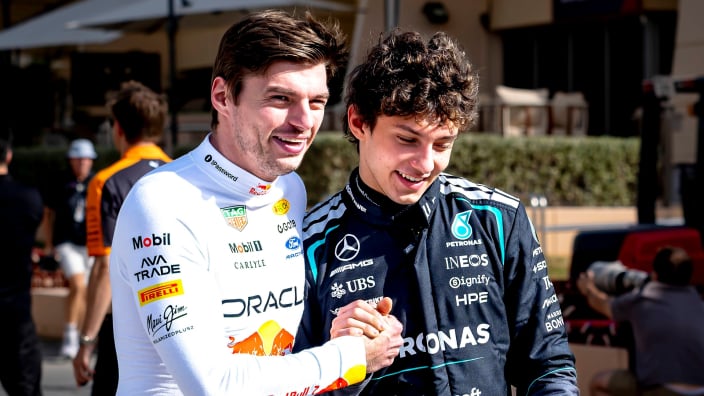
Five weeks feels particularly cruel when you’re watching history unfold at hyperspeed. Kimi Antonelli — 19 years old, 72 points, leading the championship — has rewritten the opening chapters of 2026 while the rest of the paddock waits for the next opportunity to respond. Mercedes have won every race. Their youngest driver has won the last two. The mathematics are becoming uncomfortable for everyone else.
The calendar gaps have always been where F1’s narratives crystallize. Three weeks was enough in 2009 for everyone to realize Brawn weren’t just lucky. A month in 2014 convinced the world that Mercedes had broken the sport. This particular pause arrives at the worst possible moment for Red Bull, McLaren, and anyone else hoping the early season was just an aberration.
The weight of waiting
Championship leads built in March carry different psychological weight than those assembled in August. Early dominance feels more ominous, more inevitable. When Schumacher won the first four races of 2004, the season felt over by May. When Hamilton took the first three of 2020, you could almost hear the competitive balance deflating.
Antonelli’s situation is more complex. He’s not just fast — he’s impossibly young and getting faster. The gap to Miami allows that reality to settle into everyone’s strategic planning. Development priorities shift. Driver market conversations begin earlier than usual. The entire competitive ecosystem starts reorganizing around a new center of gravity.
'How is a teenager making us all look this stupid?'
— Senior team principal, probably not Wolff
Allegedly. Our legal team made us add that.
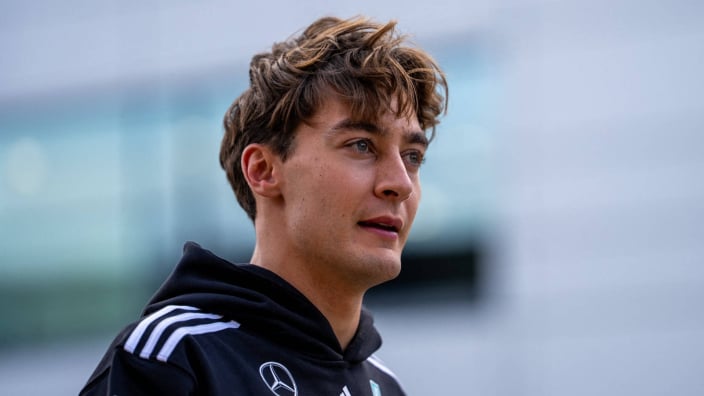
Russell’s position is particularly fascinating. He’s second in the championship, 9 points behind his teenage teammate, and probably having the most conflicted month of his career. Victory in Australia established him as the early favorite. Two second places since then have made him the supporting actor in someone else’s breakthrough story.
Historical precedent
The last time a driver this young led the championship this early was… never. Verstappen was 18 when he won his first race, but he wasn’t leading championships. Vettel was 21 when he dominated 2011, but that felt like natural progression. Antonelli’s situation is unprecedented, which makes the waiting period even more charged with possibility.
March 2016: Rosberg won the first four races and everyone assumed Hamilton was finished. Hamilton won the next seven. March 2022: Leclerc won two of the first three and Ferrari looked unstoppable. Red Bull won 15 of the next 19. Early season form is a dangerous foundation for predictions, but it’s also the only data we have.
The difference in 2026 is regulatory. These new cars, with their active aerodynamics and energy management systems, represent F1’s biggest technical reset since the hybrid era began. Early advantages might prove more durable when everyone is still learning how to optimize the machinery.
The development race
Five weeks provides crucial breathing space for teams to understand what they’re fighting. Mercedes have found something in their energy deployment strategy that nobody else has matched. Their drivers are consistently hitting the Overtake Mode triggers at optimal moments while competitors struggle with battery management.
Red Bull’s technical deficit looks more fundamental than setup-related. Verstappen’s qualifying struggles in Japan — missing Q3 entirely — suggest problems with the active aero calibration that won’t be solved by setup changes. That’s the kind of issue that requires wind tunnel time and CFD cycles, exactly what this calendar gap provides.
What now?
Miami arrives as a sprint weekend, which historically rewards pure pace over strategic complexity. If Mercedes maintain their advantage through the sprint format, the championship narrative might solidify beyond reversal. If someone else breaks through, we get a proper title fight.
The five-week pause feels interminable now, but it might prove crucial for competitive balance. Teams need time to understand these regulations. Drivers need time to master the energy management systems. The championship needs time to breathe before Mercedes potentially run away with it entirely.
History suggests early season dominance rarely survives intact. The sport has a way of correcting itself, of finding equilibrium where none seemed possible. But history has never seen anything quite like Kimi Antonelli at 19, leading the world championship, getting faster with each race.
Thirty-two days until we find out if Mercedes have truly broken the sport again, or if they’ve just borrowed it for the opening act.