Article 9.1 of the Technical Regulations states that active aerodynamic systems must function within prescribed parameters during wheel-to-wheel combat. The regulation exists to prevent cars from becoming mobile chicanes when defending position.
Someone forgot to tell Red Bull.
Three races into the 2026 season, the team that won four consecutive constructors’ titles sits sixth in the championship. Sixth. Behind Haas. Behind Alpine. Behind a team that runs Mercedes engines they bought at a discount and another team whose star driver is 20 years old and drives like he’s discovered a cheat code.
Max Verstappen qualified P11 at Suzuka. P11. The three-time world champion, the man who won 19 races in 2023, couldn’t make it past Q2 at a circuit where he’s won twice. When the session ended, his radio message was a masterpiece of controlled fury: “The car just doesn’t want to turn when there’s another car within half a kilometer.”
'This car is designed by people who have never driven in traffic. The active aero just gives up when someone's in my mirrors.'
— Max Verstappen, lap 35 at Suzuka
Captured between the formation lap and someone unplugging the mic.
The numbers don’t lie
Sixteen points. That’s what Red Bull Racing have managed across three weekends. Mercedes have 135. Ferrari have 90. Even McLaren, who suffered a double DNS in China, have 46 points.
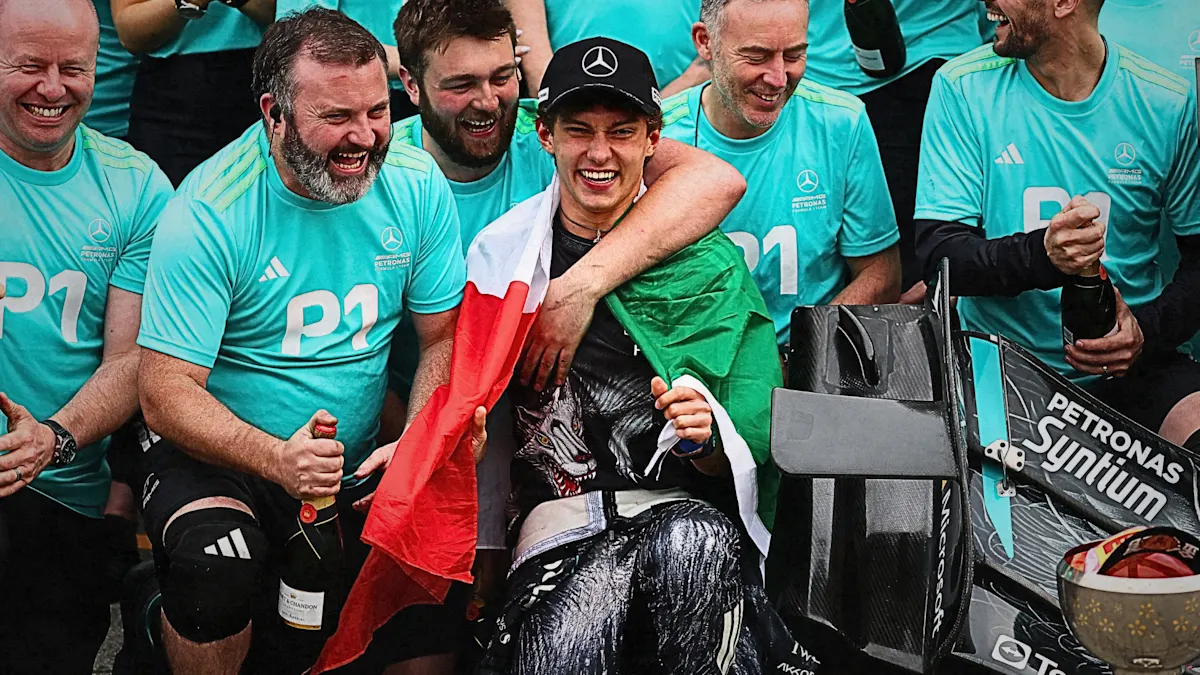
Verstappen has 12 points from three races. Kimi Antonelli has 72. A 19-year-old in his second season has scored six times more points than the man who was supposed to challenge for title number four.
The gap to the championship leader after three rounds? Sixty points. In a 24-race season, that’s recoverable in theory. In practice, it requires Red Bull to suddenly understand regulations they’ve had two years to prepare for.
How did this happen? The same way most F1 disasters unfold: slowly, then all at once.
Active measures
Red Bull built their 2026 car around one fundamental assumption: that active aerodynamics would function like a more sophisticated DRS system. Wings that opened and closed predictably, energy deployment that followed familiar patterns, overtaking opportunities that rewarded the faster car.
The reality is messier. Active aero responds to proximity sensors, airflow measurements, and battery charge levels. When Verstappen gets within a second of another car, his rear wing opens to reduce drag. But the system also reads the turbulent air from the car ahead and adjusts the front wing angle. The result is a car that handles differently every few corners, depending on traffic density and battery deployment.
Other teams adapted. Mercedes built their system around consistent downforce levels, sacrificing peak performance for predictability. Ferrari went the opposite direction, creating an aggressive setup that rewards clean air but doesn’t punish dirty air as severely. McLaren, after early struggles, found a middle ground.
Red Bull doubled down on their original concept. The RB22 produces exceptional downforce in isolation but becomes nearly undriveable in wheel-to-wheel combat. The active aero system fights itself, opening and closing wings based on conflicting sensor data.
“It’s like driving a different car every time someone gets close,” Verstappen explained after Japan. “In qualifying, it’s brilliant. In the race, it’s a nightmare.”
What now?
The honest answer? Red Bull might be cooked for 2026.
Major aerodynamic changes require months of development time. The active aero philosophy is baked into the car’s fundamental design - the suspension geometry, weight distribution, and cooling systems all assume specific airflow patterns. You can’t fix that with setup changes or software updates.
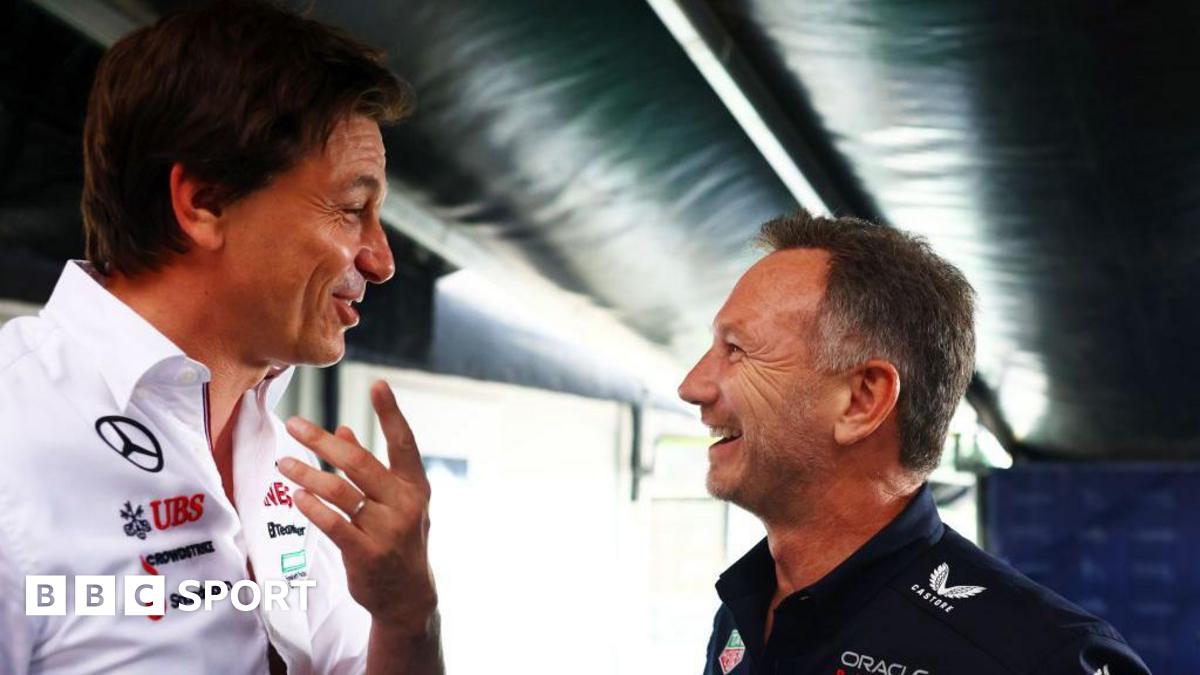
Christian Horner’s post-race interviews have shifted from confident to defensive to something approaching panic. After Suzuka, he admitted the team “may have misunderstood some fundamental aspects” of the new regulations. In F1 speak, that translates to: “We built the wrong car and won’t admit it until the season is over.”
The championship math is brutal but clear. Mercedes are averaging 45 points per weekend. Red Bull are averaging 5.3. At this rate, Red Bull would finish the season with 127 points. Mercedes would have 1,080.
Even accounting for the inevitable swings of fortune - Safety Cars, mechanical failures, strategic blunders - Red Bull would need to find two seconds per lap to compete for wins. In modern F1, two seconds might as well be two minutes.
The most damning statistic? Isack Hadjar, the promising rookie who was supposed to learn from Verstappen, has finished ahead of his teammate exactly once in six sessions. When your development driver is matching your three-time champion, the problem isn’t the driver.
Red Bull’s championship window didn’t gradually close. It slammed shut the moment they decided active aerodynamics were just fancy DRS. Now they get to spend the next 21 races learning why assumptions kill championships.
The regulations giveth, and the regulations taketh away. Red Bull just discovered which side of that equation they’re on.