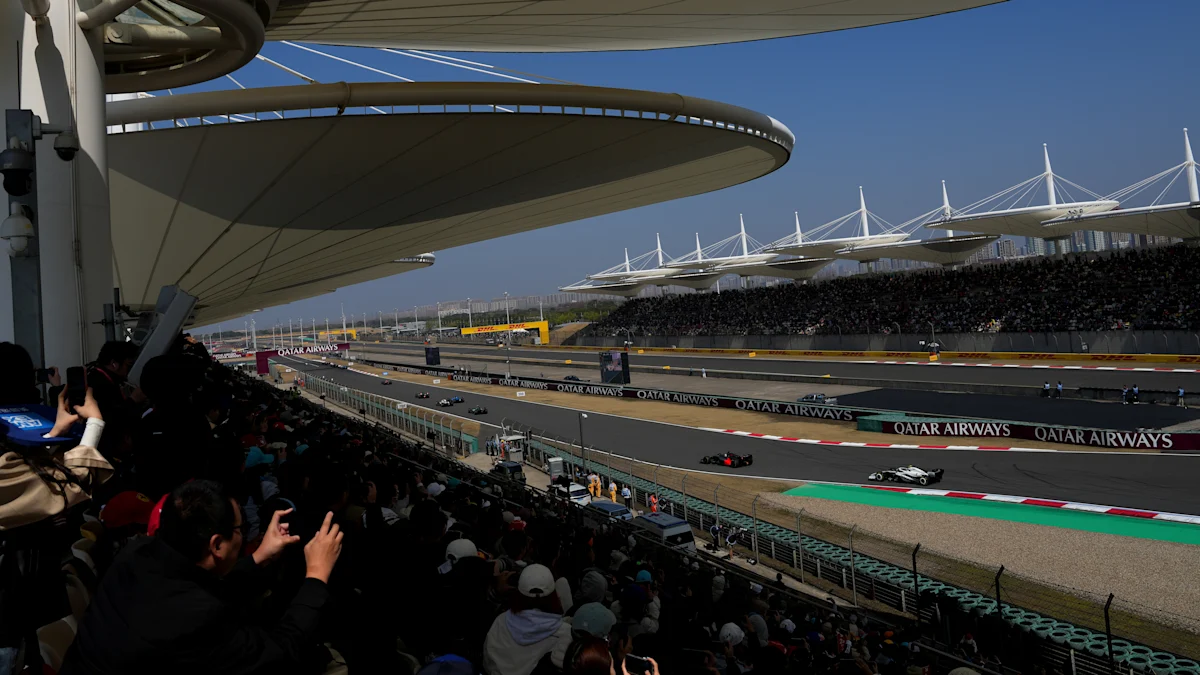
Lap 45, Turn 6. Verstappen’s engine dies and suddenly the 2026 championship picture becomes crystal clear: Mercedes didn’t just adapt to the new regulations — they cracked the code while everyone else is still reading the manual.
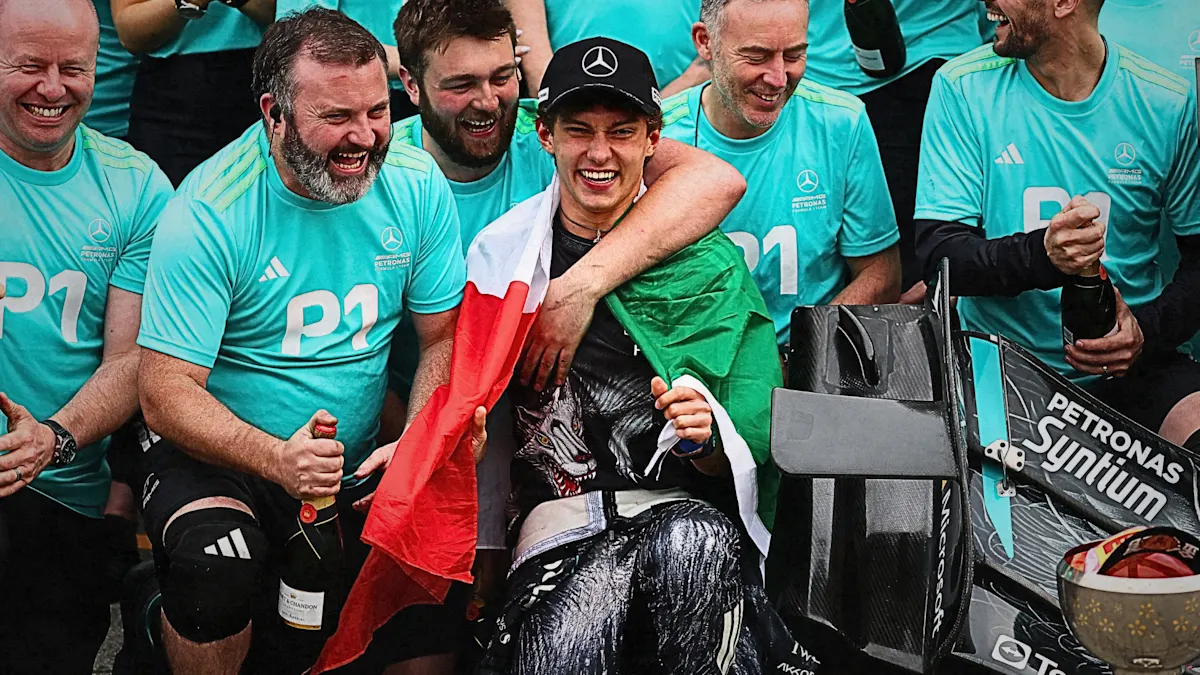
Three races, three Mercedes wins. Russell in Australia, Antonelli back-to-back in China and Japan. The W17 doesn’t just look fast; it looks like it belongs in a different formula while the rest of the grid figures out which buttons to press.
The numbers don’t lie
Mercedes have 135 constructors’ points after three rounds. Ferrari, in second place, have 90. That’s a 45-point gap that would be impressive after eight races, not three.
But the raw points only tell half the story. The W17 has finished on the podium in five of six possible opportunities (Russell P4 in Japan being the lone exception). Every other team has struggled with consistency, energy management, or basic car control under the new active aero regulations.
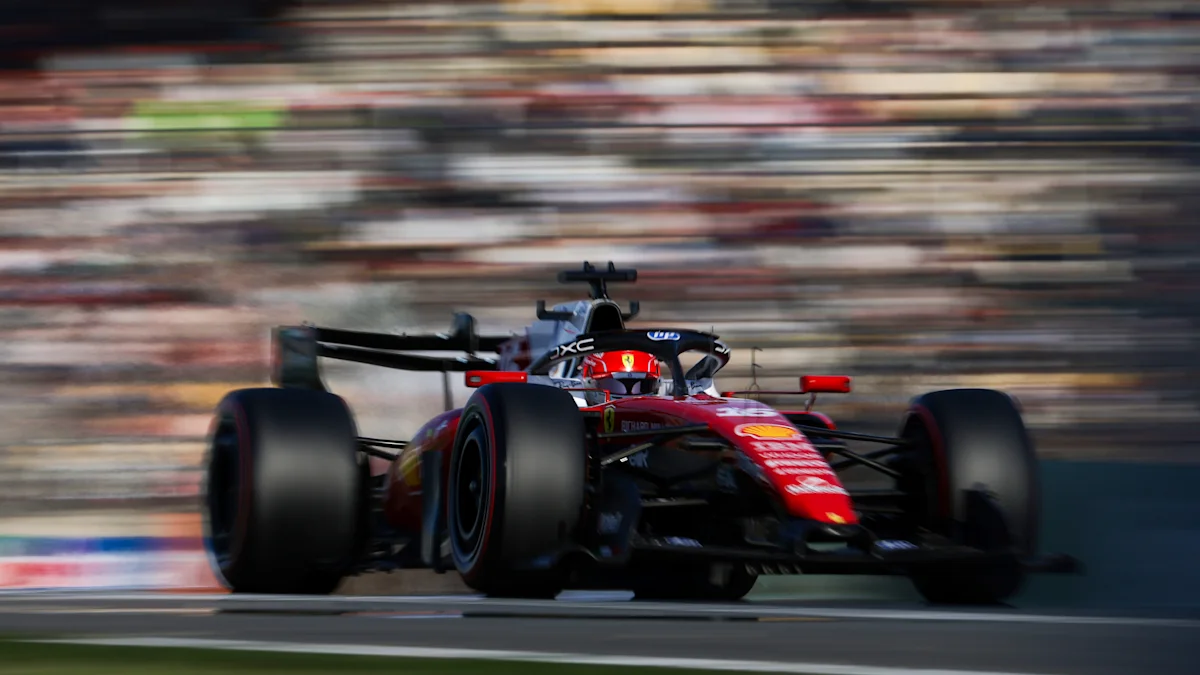
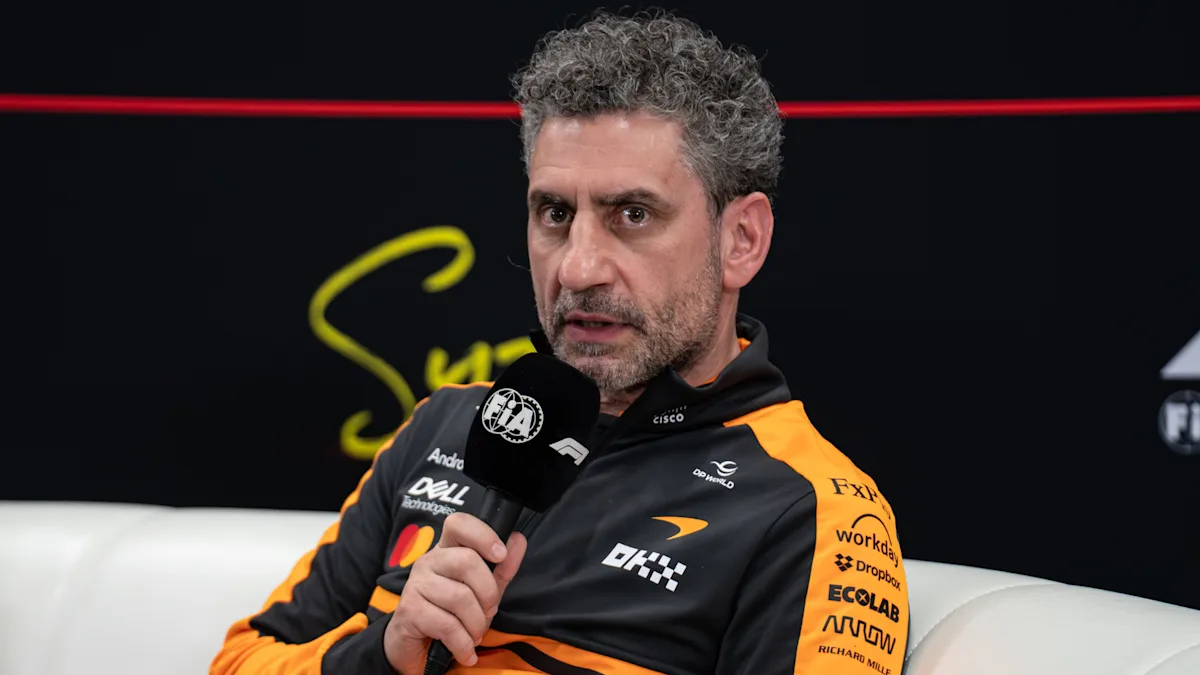
Red Bull went from championship favourites to missing Q3 with Verstappen. McLaren managed a double DNS in China due to electrical gremlins. Even Ferrari, with their strong points haul, look like they’re wrestling their SF-26 through corners while Mercedes drivers glide.
'George, the energy deployment window is open for sectors two and three. Also, can you teach Max how to use active aero? He's been stuck behind Gasly for twelve laps.'
— Bono, Japanese GP lap 42
Sourced from a WhatsApp group we definitely should not be in.
Energy management masterclass
The 2026 regulations demanded teams rethink everything: 350kW from the MGU-K, active aerodynamics, 50-50 power split between ICE and electrical. Most teams are still learning to walk. Mercedes are already running marathons.
Watch Antonelli’s Japan victory and you’ll see textbook energy management. Long first stint, perfectly timed pit stop under the Safety Car, then controlled deployment in the final stint to stay ahead of Piastri. The 19-year-old drove like someone who’d been managing hybrid systems for a decade.
Russell’s frustration about the Safety Car timing was understandable — Antonelli’s strategy only worked because Bearman’s crash fell at exactly the right moment. But strategy luck means nothing if your car can’t execute. The W17 can execute.
Compare that to Verstappen’s weekend. Qualified P11, spent most of Sunday stuck behind cars he should have passed easily, finished P8 looking genuinely confused about what his RB22 was doing. The three-time world champion suddenly looks like he’s driving someone else’s setup.
The Antonelli factor
Here’s the thing about Kimi Antonelli leading the championship: it shouldn’t be possible. Nineteen years old, second season, youngest-ever points leader. The kind of statistic that usually comes with massive asterisks about car advantage or lucky timing.
Except Antonelli isn’t just riding Mercedes’ coattails. He’s maximizing them. Two poles, two wins, flawless energy management, mature race craft. The kid who was supposed to need time to develop is already extracting performance that Russell — one of F1’s most complete drivers — can barely match.
That’s either the most impressive rookie season since Hamilton 2007, or Mercedes built a car so good that even their development driver looks like a championship contender. Probably both.
What now?
Miami looms as the first real test. Sprint weekend, different circuit characteristics, teams bringing their first major upgrade packages of the season. If Mercedes arrive in Florida and immediately lock out the front row again, we’re not watching a hot start — we’re watching the beginning of a new era of dominance.
The 2026 regulations were supposed to create closer racing and more unpredictable results. Instead, they’ve handed Mercedes the kind of technical advantage they enjoyed during the early hybrid era. New rules, same winners.
The rest of the grid has 21 races to figure out what Brackley already knows. Based on the first three weekends, that might not be enough time.