The plan was always to reach Japan with points on the board, momentum building, and hope flickering in the garage. For some midfield teams, that’s exactly what happened. For others, well, Suzuka has a habit of exposing uncomfortable truths.
Two races into the 2026 revolution, the pecking order is starting to crystallise. Mercedes are running away with it, Ferrari are finding their feet with Hamilton finally looking comfortable in red, and McLaren are discovering that electrical gremlins don’t respect championship trophies. But further back, where dreams are measured in tenths rather than victories, some fascinating stories are emerging.
The Alpine resurrection
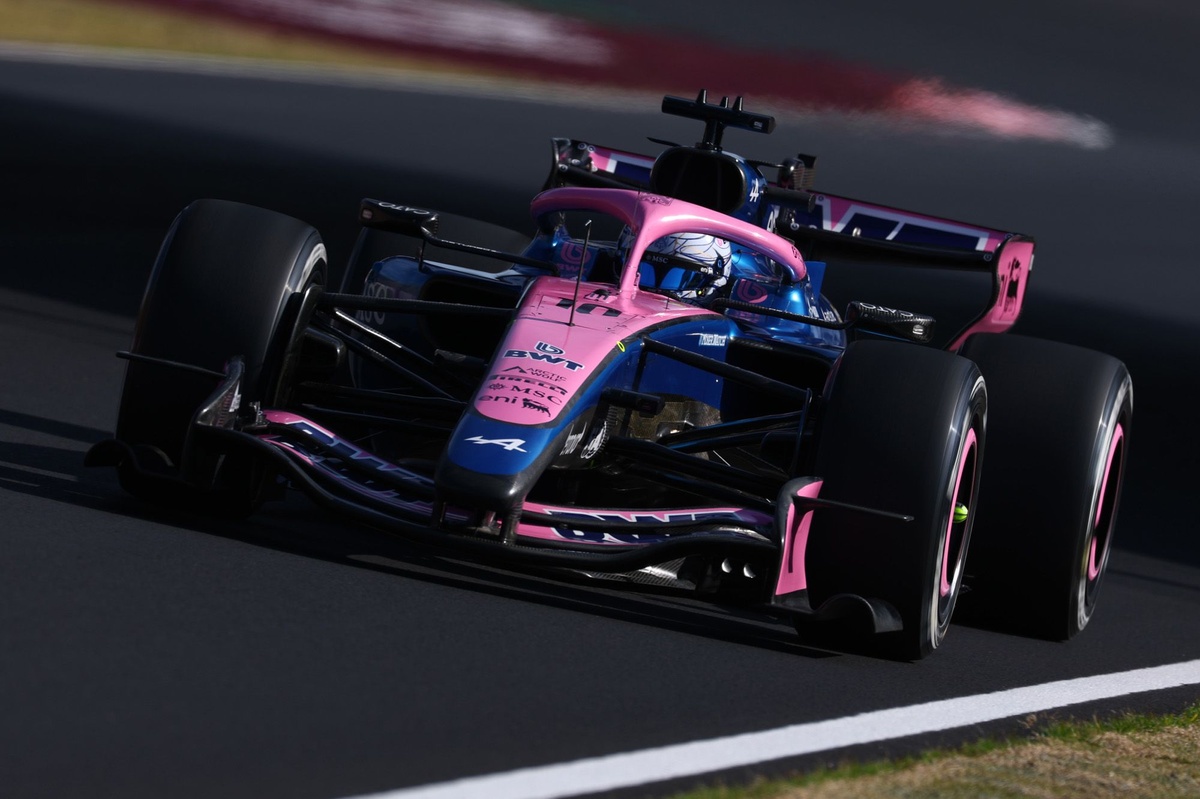
Pierre Gasly sits seventh in the championship. Franco Colapinto has a point. Alpine are P7 in the constructors with 10 points from two races. Read those sentences again, because six months ago they would have sounded like fiction.
The switch to Mercedes power was supposed to be a reset, not a miracle cure. Yet here they are, both cars finishing in the points in China while established names like Aston Martin collected double zeros. Gasly’s P6 in Shanghai wasn’t lucky — he earned it, fighting wheel-to-wheel with Lawson and holding off attacks lap after lap.
'This is what we've been working toward. Finally, a car that responds to what I'm asking it to do.'
— Pierre Gasly, after securing P6 in China
Reconstructed from memory. And by memory, we mean imagination.
Colapinto, meanwhile, is doing exactly what Alpine hoped when they signed him: extracting performance without drama. His P10 in China came after a collision with Ocon that spun him around — the fact he recovered to score points suggests there’s genuine pace in that Alpine, not just circumstance.
Suzuka will be telling. The high-speed corners and elevation changes don’t forgive aerodynamic compromises, and the long back straight will test whether Alpine’s Mercedes power unit integration is as clean as the early results suggest.
Williams and the great regression
Carlos Sainz moved to Williams expecting a project, not a penance. Two races in, it’s looking more like the latter.
The numbers are stark: Sainz has two points from two races, Albon has zero. Williams sit P9 in the constructors, ahead only of the pointless Cadillac and Aston Martin. For a team that scored 28 points in 2025 and convinced Sainz to join their “upward trajectory,” this is concerning.
The fundamental issue appears to be the car’s relationship with the new active aerodynamics. While other teams have found ways to make the movable wings work in harmony with their aerodynamic philosophy, Williams seem to be fighting the system. Sainz’s radio messages in China painted a picture of a car that felt unpredictable under braking and unstable through medium-speed corners.
Suzuka’s Esses will be particularly revealing. If Williams can’t find balance through that technical section, their problems run deeper than setup. The plan was always to use Sainz’s experience to unlock the car’s potential, but you can’t unlock what isn’t there.
Audi’s expensive learning curve
Gabriel Bortoleto scored two points in Australia with a gutsy P9 drive that showcased exactly why Audi plucked him from F2. Since then? Silence. Nico Hulkenberg, the supposed steady hand, has collected two DNFs and looks increasingly frustrated with a car that promises more than it delivers.
The Audi project was always going to be a marathon, not a sprint. But when you’re spending works manufacturer money and getting customer team results, patience becomes a luxury. Bortoleto’s talent is undeniable — his racecraft in Melbourne reminded everyone why he dominated F2 — but talent can’t overcome fundamental aerodynamic deficiencies.
Suzuka will test Audi’s high-speed stability, something that’s been questionable since testing. If they can’t keep both cars running cleanly through 130R and the final chicane, the questions about their readiness for F1 will only grow louder.
What Suzuka reveals
Japan has always been F1’s truth-teller. The combination of high-speed corners, heavy braking zones, and unforgiving barriers strips away the pretense. Cars that look competitive on street circuits or in mixed conditions show their real character at Suzuka.
For the midfield teams, this weekend will separate genuine progress from early-season flukes. Alpine’s points haul means nothing if they can’t maintain the pace when the calendar gets serious. Williams need to prove their struggles are growing pains, not fundamental flaws. Audi must show they belong on the same track as teams with decades more experience.
The plan was always to reach this point with hope intact and lessons learned. For some, that plan is working perfectly. For others, Suzuka might be where they discover they need a new plan entirely.