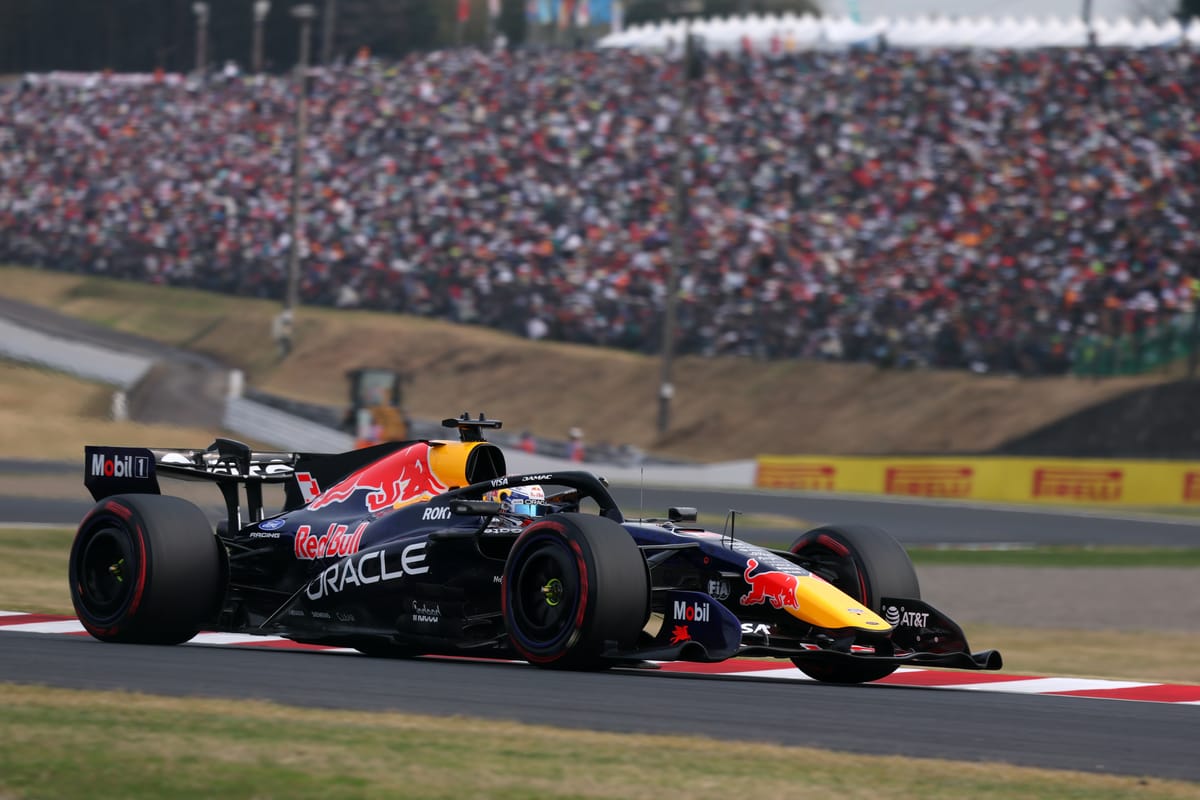
What happens when the team that dominated F1 for three straight seasons suddenly can’t keep their cars running for a full race distance?
Red Bull Powertrains — the engine division that was supposed to liberate Red Bull from customer relationships forever — is having the kind of start to 2026 that makes you wonder if they should have just stuck with Honda a bit longer. Two races in, and already we’re seeing the warning signs that this might be a very long season in Milton Keynes.
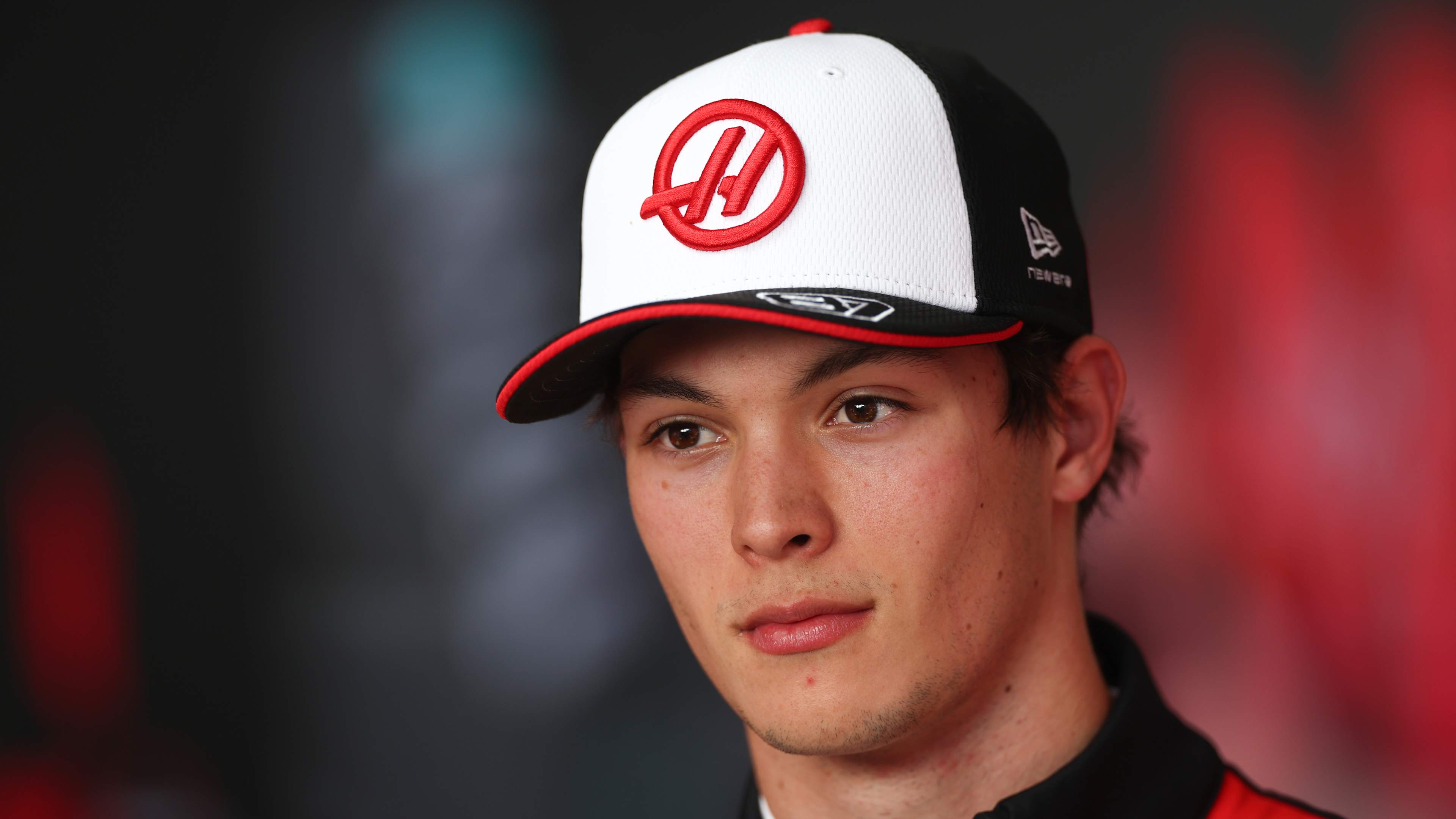
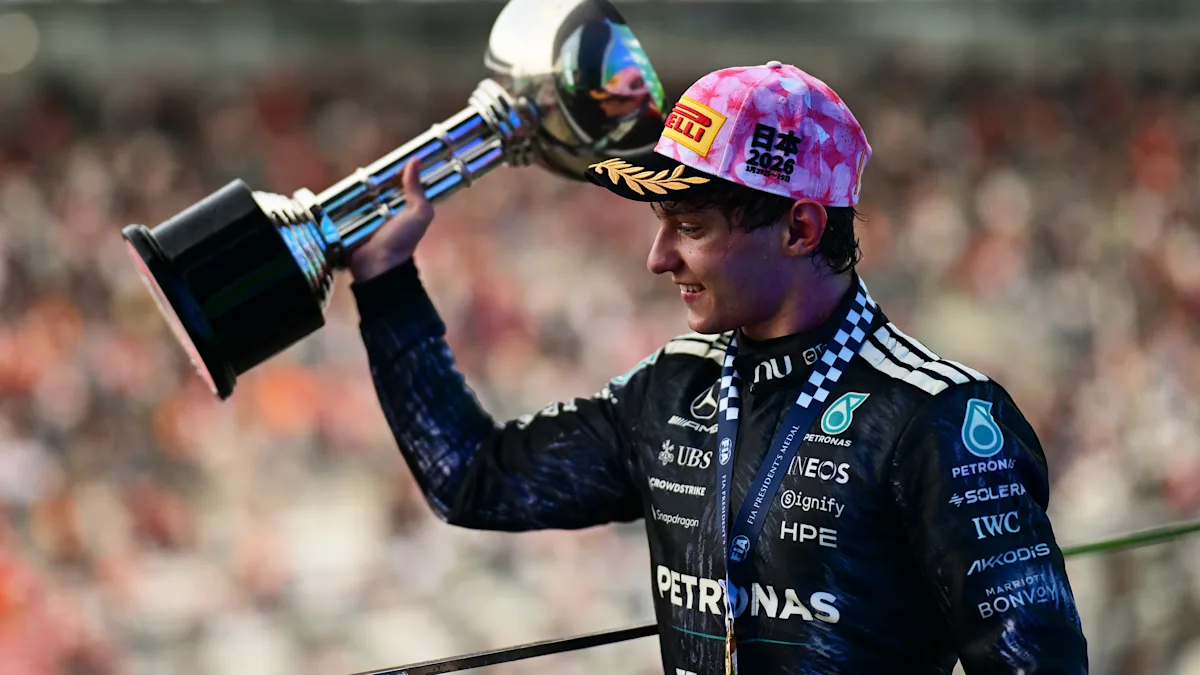
The numbers tell a story that Red Bull would rather we didn’t read. Verstappen has managed just 8 points from two races — fewer than Oliver Bearman, who drives a Haas. The three-time world champion sits 8th in the standings, 43 points behind Russell already. When your championship deficit is measured in race wins after just two rounds, something has gone fundamentally wrong.
The reliability question
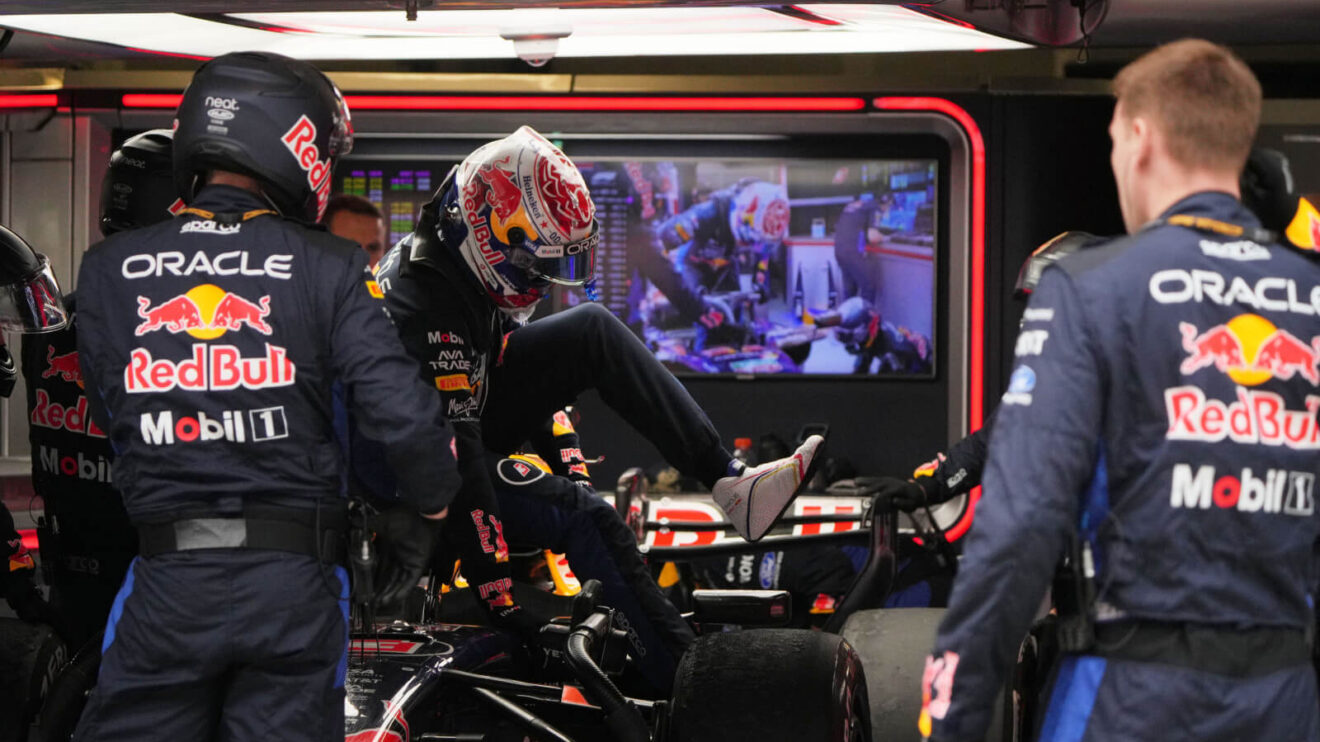
China was the clearest sign yet that Red Bull’s engine program isn’t ready for primetime. Verstappen was running a solid points position when his car simply gave up with 10 laps remaining. Not a dramatic failure, not a collision — just the kind of quiet mechanical death that suggests deeper issues with the power unit.
But it’s not just the DNF that’s concerning. Both Red Bull cars have shown inconsistent pace throughout practice sessions, with engineers constantly adjusting settings and Verstappen complaining about drivability issues. The new hybrid regulations — with their tripled electrical power output and deleted MGU-H — were supposed to level the playing field. Instead, they’ve exposed which manufacturers did their homework and which ones didn’t.
'The energy deployment feels like someone's playing with a light switch back there. Can we fix this or should I start walking home?'
— Verstappen, lap 35, China GP
Source: the voices in our engineer's headset.
Meanwhile, Mercedes engines are powering half the podium finishers so far this season. Ferrari’s power units look strong. Even Honda seems to have sorted their reliability issues from 2025. Red Bull Powertrains, the project that was meant to secure Red Bull’s future, looks like it might threaten their present.
The Ford factor
The partnership with Ford was supposed to bring expertise and resources to Red Bull’s engine program. Ford’s name is on the side of the car, their engineers are embedded in Milton Keynes, and their marketing department is probably having nightmares about being associated with a reliability crisis.
But here’s the thing about engine development — you can’t buy your way out of fundamental design problems overnight. The MGU-H deletion and MGU-K power increase weren’t just tweaks to existing technology. They required completely rethinking how the hybrid system integrates with the combustion engine. Mercedes clearly figured this out. Red Bull, apparently, did not.
The irony is that Red Bull spent years complaining about being at the mercy of their engine suppliers. Now they control their own destiny, and that destiny currently involves watching their cars coast to a halt while Mercedes disappears into the distance.
What now?
Suzuka next weekend will be telling. It’s a power-sensitive circuit where engine problems become impossible to hide. If Red Bull can’t show improvement there, the whispers about their 2026 program being fundamentally flawed will become shouts.
The reality is that Red Bull built their recent success on having the best car and the best driver. Take away the reliable power unit, and suddenly that combination doesn’t look quite so dominant. Verstappen can only work miracles with machinery that actually functions.
For a team that redefined excellence in F1, watching their cars struggle to finish races must be genuinely painful. The question isn’t whether Red Bull will fix these problems — they have the resources and talent to do it eventually. The question is how much of 2026 they’ll sacrifice while figuring it out.
Forty-three points is a recoverable deficit in a 24-race season. But only if your car can actually complete those 24 races.