Two races. Two Mercedes wins. Ninety-eight constructor points out of a possible one hundred.
The numbers suggest we’re witnessing the opening act of another silver arrows steamroll, but Suzuka has a habit of exposing pretenders. Those sweeping esses and the 130R don’t care about your championship lead or your regulation mastery. They care about commitment, balance, and whether your car can dance through corners that separate the quick from the properly quick.
Mercedes arrive in Japan having ticked every box available. Russell’s methodical dominance in Australia. Antonelli’s breakthrough victory in China, complete with youngest-ever pole position for good measure. The W17 looks planted, predictable, and devastatingly effective through the new active aero regulations.
But Suzuka is different. Always has been.
The Honda question
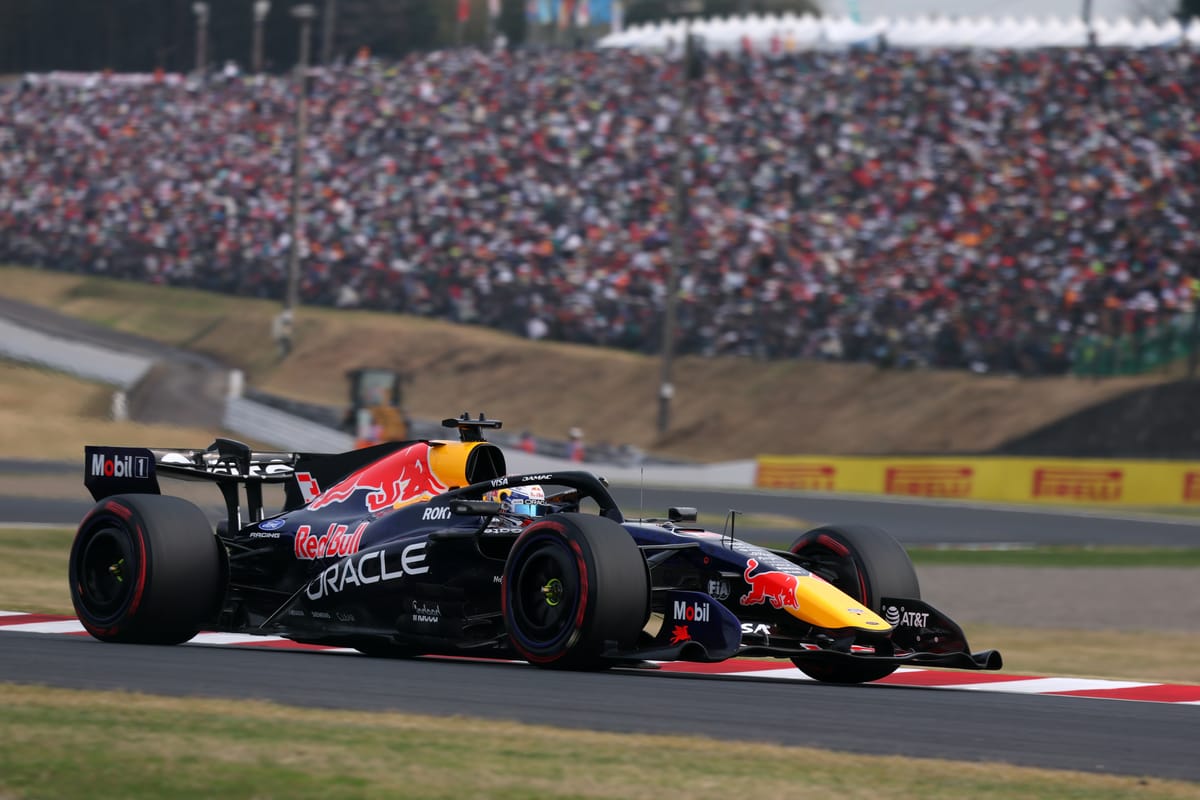
Red Bull’s struggles take on extra significance here. Honda’s home circuit, where the partnership between Red Bull Powertrains and Ford should theoretically showcase their best work. Instead, Verstappen arrives with eight points and a growing collection of radio messages that would make a sailor blush.
The three-time champion’s China retirement crystallised Red Bull’s early-season problems. Car balance issues. Power unit teething troubles. A general sense that the RB22 was designed by committee and built by people who’d never seen the previous car.
'Can someone explain why the car feels completely different every lap? Because I'd love to know.'
— Max Verstappen, mid-stint China GP
Overheard through three walls of hospitality unit. Accuracy not guaranteed.
Hadjar, meanwhile, has shown flashes of pace but seems to attract chaos like a magnet attracts metal filings. The Antonelli collision in China’s sprint was unfortunate. The general pattern of promise followed by incident is becoming concerning.
Honda will be watching. This is their showcase weekend, their chance to demonstrate that the Aston Martin partnership delivers results. Red Bull’s struggles reflect poorly on the Japanese manufacturer’s hybrid system integration, even if the blame lies elsewhere.
McLaren’s reliability roulette
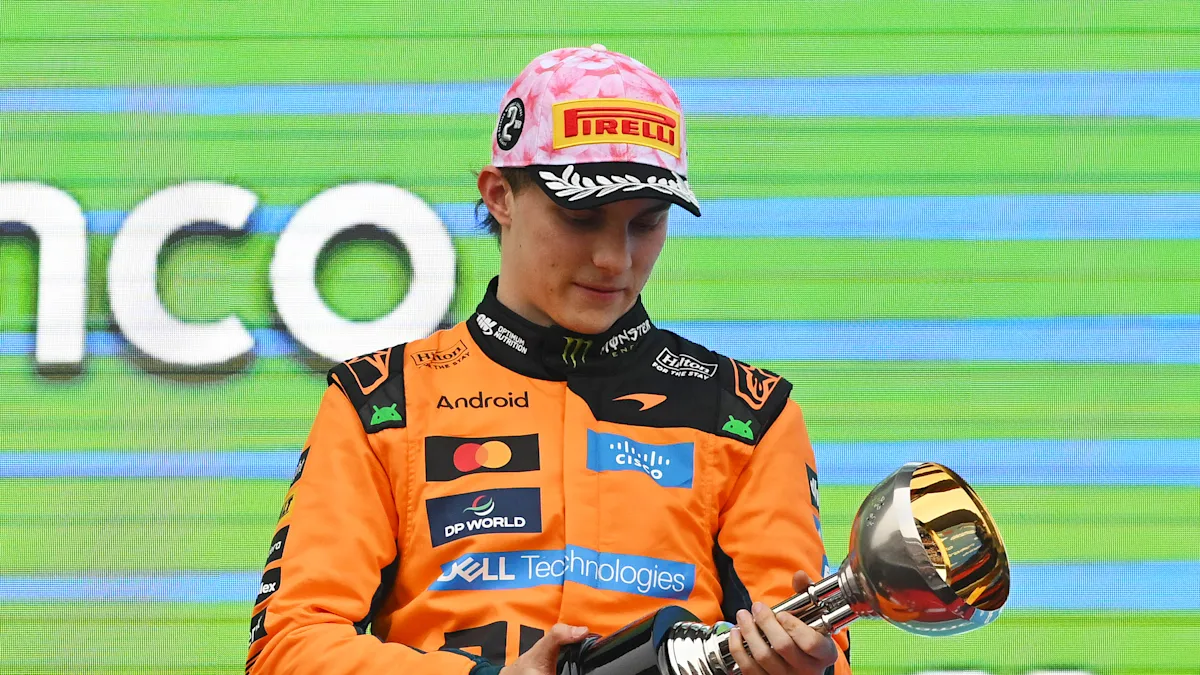
Somewhere in Woking, someone is probably staring at failure analysis reports and wondering how the 2025 championship-winning team managed to register two DNS results in two races. Different electrical systems. Same outcome. Both cars sitting silent on the grid while competitors disappear into the distance.
Norris leads the drivers’ standings for exactly zero minutes this season. His title defence resembles a man trying to fight with one arm tied behind his back and the other arm occasionally falling off entirely. Fifteen points from two races. The reigning champion sitting sixth in the standings behind Oliver Bearman.
The Suzuka weekend represents McLaren’s chance to reset. Both cars need to complete qualifying, reach the grid, and actually start the race. Revolutionary concepts, apparently.
Ferrari’s internal tension
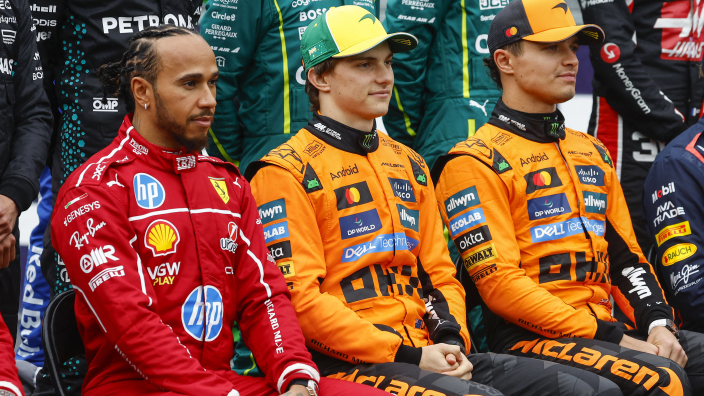
Lewis Hamilton’s first Ferrari podium in China created the kind of moment that makes grown journalists slightly misty-eyed. Twenty races in red, finally standing on a podium with the prancing horse on his chest. The emotion was genuine, the relief obvious.
But watch the race again. Notice how Hamilton and Leclerc fought wheel-to-wheel. Notice the radio messages. Notice the slight tension in the post-race interviews. Ferrari have managed to create exactly the scenario they didn’t want: two drivers with legitimate championship aspirations and limited patience for team orders.
Suzuka’s flowing corners should suit the SF-26. Whether Ferrari can manage their drivers through another intense battle remains the more interesting question.
The Suzuka factor
This circuit sorts cars from drivers, pretenders from champions. The first sector demands commitment through corners that punish hesitation. The Spoon Curve and 130R require absolute trust in your machine. Turn One’s tight right-hander creates overtaking opportunities for the brave and hospital visits for the optimistic.
Mercedes look strong everywhere, but Suzuka has historically favored cars with mechanical grip and driver confidence. Red Bull’s struggles might evaporate if they find the sweet spot with their setup. Ferrari’s pace could translate into genuine race wins if they avoid internal combustion.
And McLaren? They need both cars to complete the formation lap. Small steps.
The championship fight feels oddly premature for round three. Mercedes hold all the cards, but Suzuka specializes in shuffling the deck. Sunday will reveal whether this season’s story is already written or just beginning.