Round 3 approaches, and we’re already asking questions nobody expected to be asking in March. Like: are Mercedes actually going to run away with both championships? Can the defending world champion make it to the first corner without his car giving up? And why does Oliver Bearman have more points than Max Verstappen?
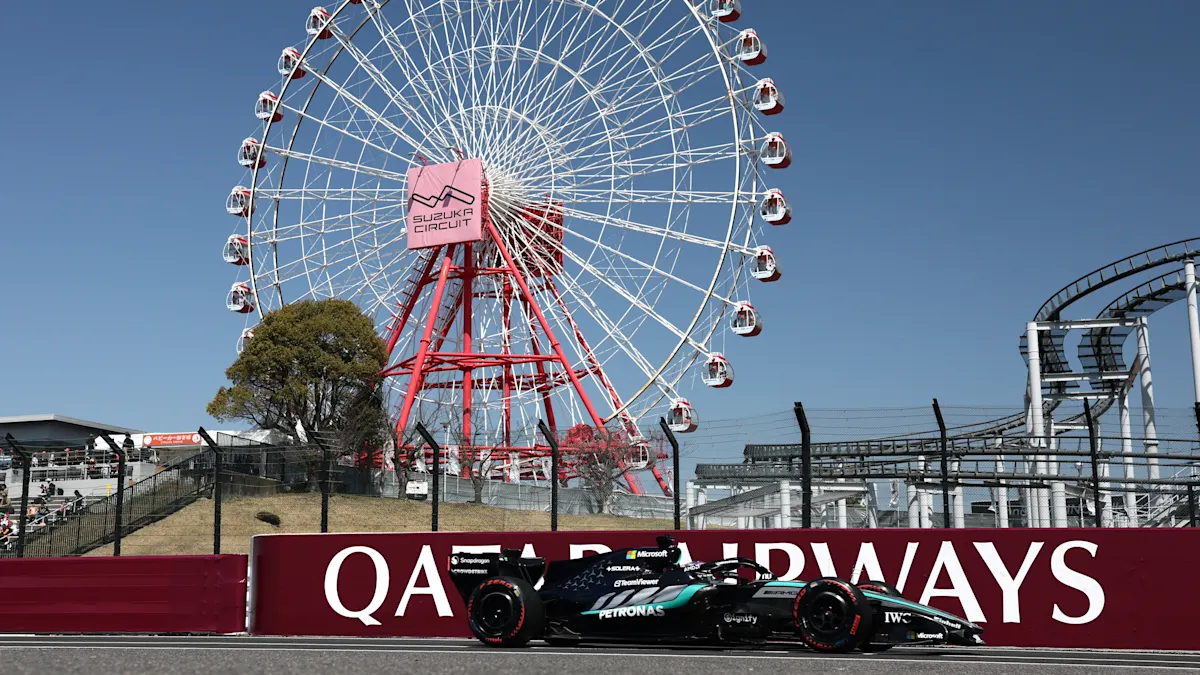
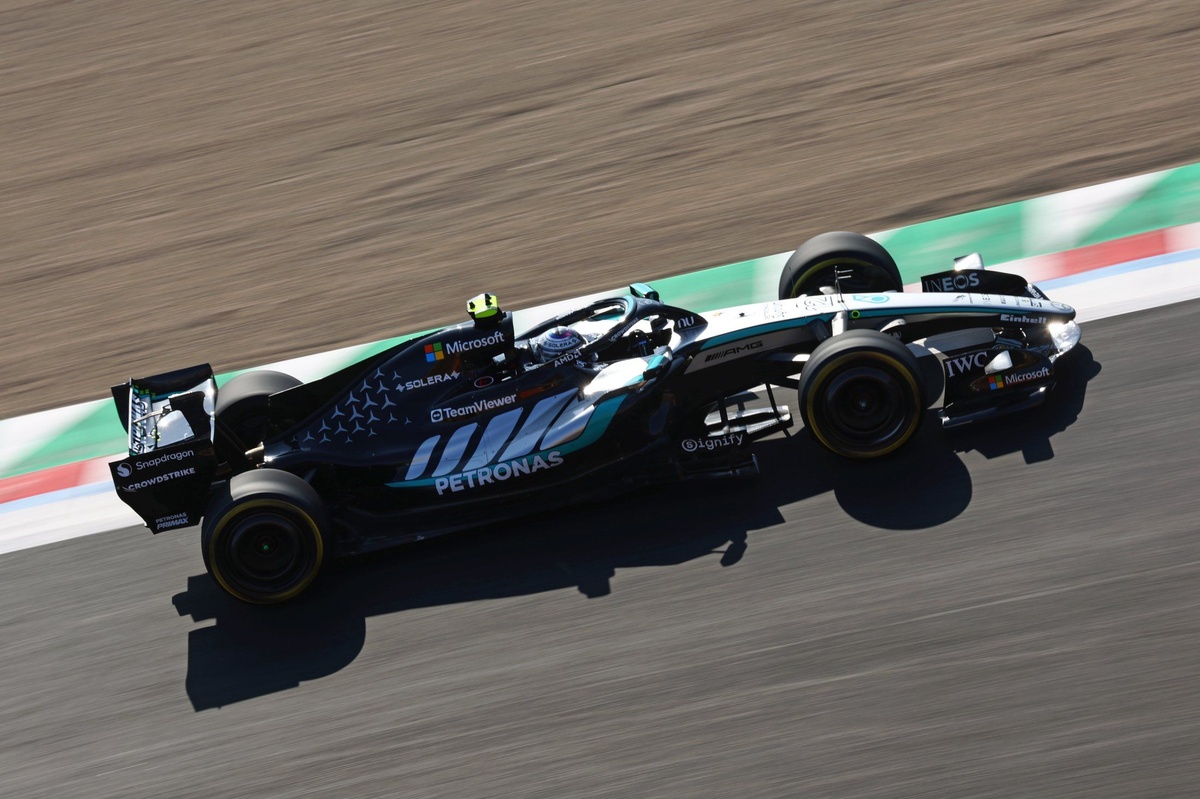
Suzuka arrives with Mercedes sitting pretty on 98 constructors’ points — more than Ferrari and McLaren combined. George Russell and Kimi Antonelli have turned the early 2026 season into their personal highlight reel, while everyone else scrambles to figure out what went wrong with their active aero philosophy.
The numbers don’t lie. Two races, two Mercedes wins, and the only drama has been watching other teams implode in increasingly creative ways.
When reliability becomes comedy
McLaren’s 2026 campaign reads like a masterclass in how to waste a championship-winning car. Double DNS in China — not because of a crash, not because of a strategic gamble gone wrong, but because two separate electrical systems decided to take an unscheduled break on race morning.
Lando Norris, our reigning world champion, has started exactly 50% of the races this season. That’s a statistic that belongs in a museum of sporting disasters, not on the timing sheets of a title contender.
'Can someone explain to me how we built the fastest car and the least reliable car at the same time?'
— Andrea Stella, probably staring at a wall
Captured between the formation lap and someone unplugging the mic.
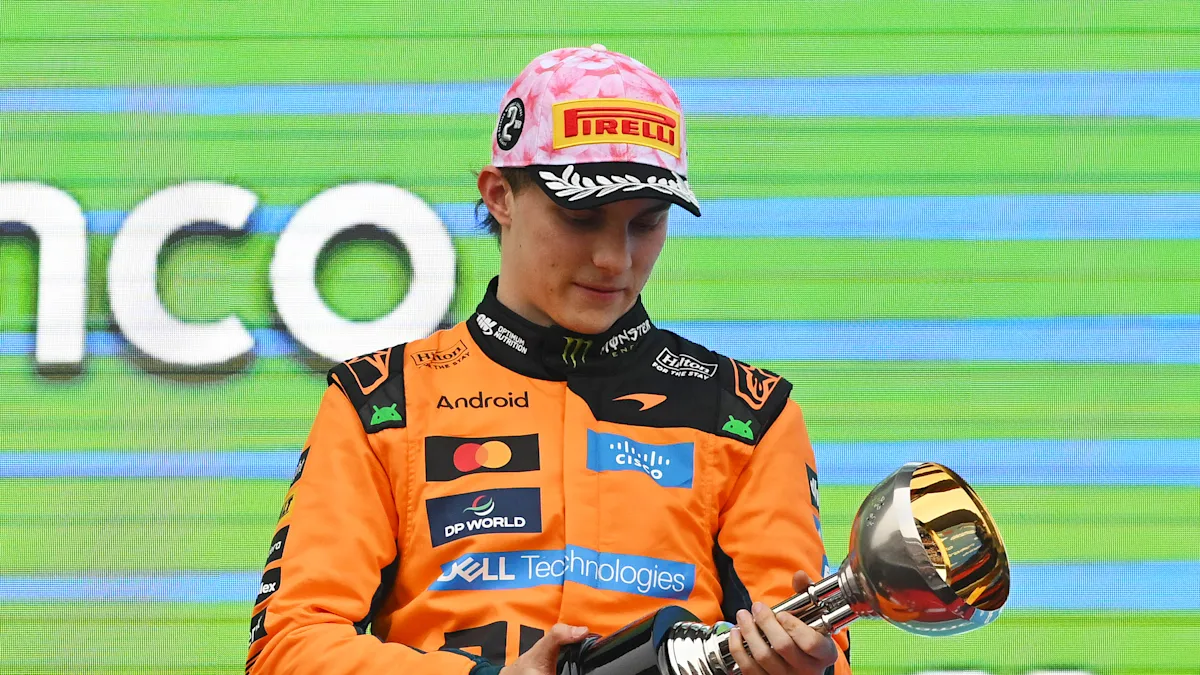
Oscar Piastri hasn’t fared much better. His Melbourne crash on the way to the grid was unfortunate. His China DNS was just McLaren being McLaren in 2026: finding new and innovative ways to not score points.
At this rate, Norris will need a miracle run just to salvage a respectable championship position, never mind defending his title.
Red Bull’s teething problems
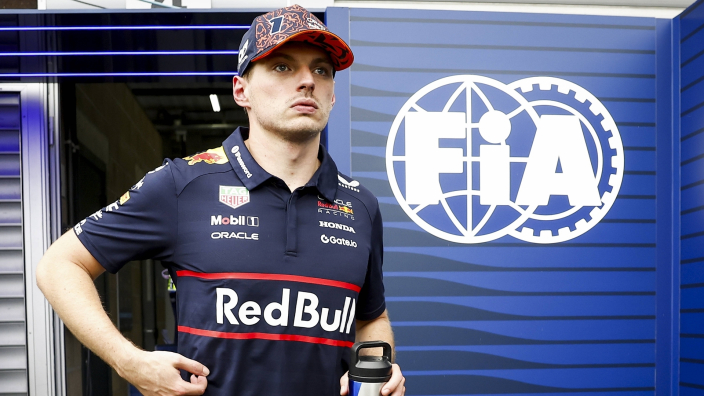
Meanwhile, Red Bull are discovering that building your own power unit is significantly harder than complaining about other people’s power units. Max Verstappen’s China DNF with 10 laps to go felt like watching a three-time world champion learn what it’s like to drive for Haas circa 2019.
The Red Bull Powertrains/Ford project was supposed to liberate them from customer relationships and give them complete control over their destiny. Instead, it’s given them complete control over their own mechanical failures.
Verstappen sits eighth in the championship with 8 points. Eighth. Behind Oliver Bearman in a Haas. Behind Pierre Gasly in an Alpine. Behind drivers he’s lapped multiple times in previous seasons.
Isack Hadjar has shown flashes of pace but also a tendency to find trouble — his tangle with Antonelli in the China Sprint cost both drivers valuable track position. For a driver trying to prove he belongs at Red Bull Racing rather than Racing Bulls, these aren’t the headlines he needs.
Ferrari’s quiet confidence
Lost in the Mercedes hype and McLaren chaos is Ferrari’s steady accumulation of points. Charles Leclerc and Lewis Hamilton have managed third and fourth in the championship respectively, and more importantly, they’ve managed to finish races.
Hamilton’s first Ferrari podium in China felt like a moment of genuine significance. Not because of the points — though 15 points is 15 points — but because of what it represented. After a difficult 2025 season adjusting to life in red, Hamilton looked comfortable, confident, and crucially, fast enough to challenge his teammate.
The Hamilton-Leclerc dynamic is developing into one of the season’s most compelling storylines. In China, they raced each other hard but fair, trading positions multiple times without the drama that has historically plagued Ferrari’s internal relationships. If they can maintain this balance while Mercedes run away at the front, they might just keep themselves in mathematical contention.
The unexpected stars
Oliver Bearman deserves a paragraph all to himself. Fifth in the championship. In a Haas. The same Haas team that spent years being the punchline to reliability jokes now sits fourth in the constructors’ standings, ahead of Red Bull Racing.
Esteban Ocon’s penalty in China aside, the Haas-Ferrari partnership is producing exactly the kind of consistent points-scoring that turns dark horses into genuine midfield contenders. If this continues through the first quarter of the season, we might need to start taking them seriously as best-of-the-rest candidates.
What Suzuka will tell us
Japan traditionally separates the pretenders from the contenders. Suzuka’s high-speed corners and elevation changes will test every aspect of these new 2026 cars — the active aerodynamics, the energy management, the reduced weight and dimensions.
Mercedes arrive as overwhelming favorites, but Suzuka has a habit of humbling dominant teams. Ferrari will want to prove their China pace wasn’t a fluke. McLaren desperately need both cars to see the chequered flag. Red Bull need to demonstrate that their power unit issues are solvable rather than fundamental.
Most importantly, we need to see whether this early-season hierarchy reflects the true competitive order or whether we’re witnessing an extended period of adaptation that will eventually settle into something more familiar.
The Japanese Grand Prix has always been about precision, commitment, and finding the limit. After two rounds of chaos, maybe that’s exactly what this championship needs.