Suzuka has always been the sort of circuit that separates the wheat from the chaff, the drivers from the passengers, the teams that have their act together from those still figuring out which end of the car goes forward. This weekend, it might also separate Mercedes from the rest of the field entirely.
After two rounds of what can only be described as systematic domination, George Russell and Kimi Antonelli have collected 98 points between them while everyone else scrambles for the scraps. Russell leads the championship, Antonelli sits second, and somewhere in Milton Keynes, Christian Horner is probably staring at spreadsheets wondering how his team went from four consecutive titles to watching a 19-year-old Italian make their car look pedestrian.
The numbers don’t lie, even when you wish they would. Mercedes have won both races, claimed three of the four available podium spots, and made the new active aerodynamics regulations look like they were written specifically for their car. Meanwhile, Max Verstappen has eight points and a growing collection of radio messages that would make a sailor blush.
The championship picture
Russell’s 51 points represent more than just early-season form – they represent the kind of relentless consistency that wins championships. His victory in Melbourne was clinical, his second place in China was strategic perfection. Even when Antonelli took pole and the win in Shanghai, Russell managed the race like a man who understood that championships are won over 22 rounds, not two.
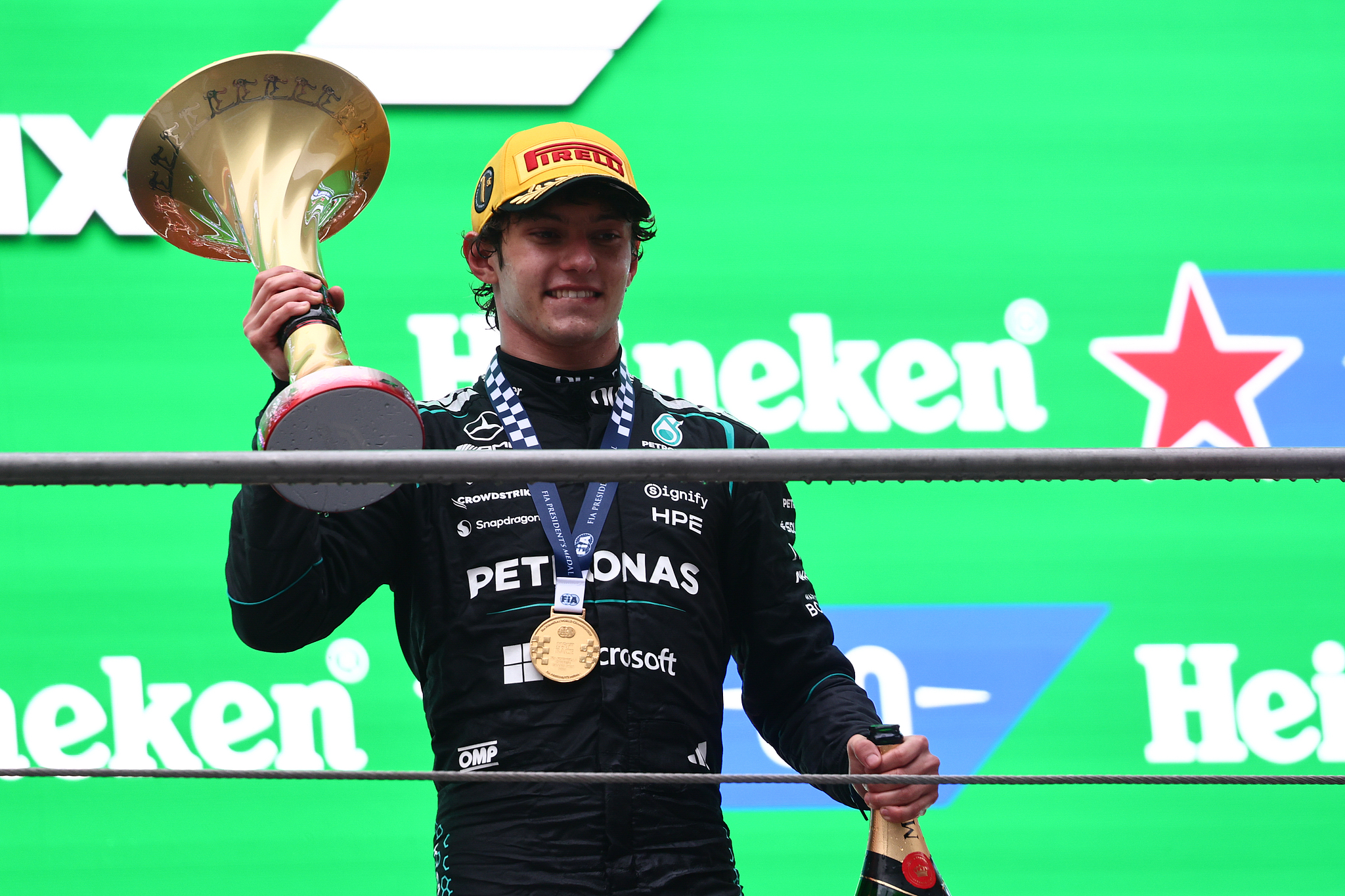
Antonelli, meanwhile, has announced himself to the world with the subtlety of a Ferrari engine note echoing off Suzuka’s grandstands. Youngest-ever polesitter, one of the youngest race winners in history, and carrying himself with the calm assurance of someone who belongs exactly where he is. The kid isn’t just fast – he’s composed in a way that suggests Mercedes might have found their next generational talent.
Behind them, Ferrari present an intriguing subplot. Hamilton and Leclerc sit third and fourth in the standings, separated by a single point and what appears to be a growing competitive tension. Their wheel-to-wheel battle through Shanghai’s opening sequence was respectful but pointed, the kind of racing that hints at fireworks to come. Hamilton’s first Ferrari podium felt like a statement of intent; Leclerc’s response will likely come at Suzuka.
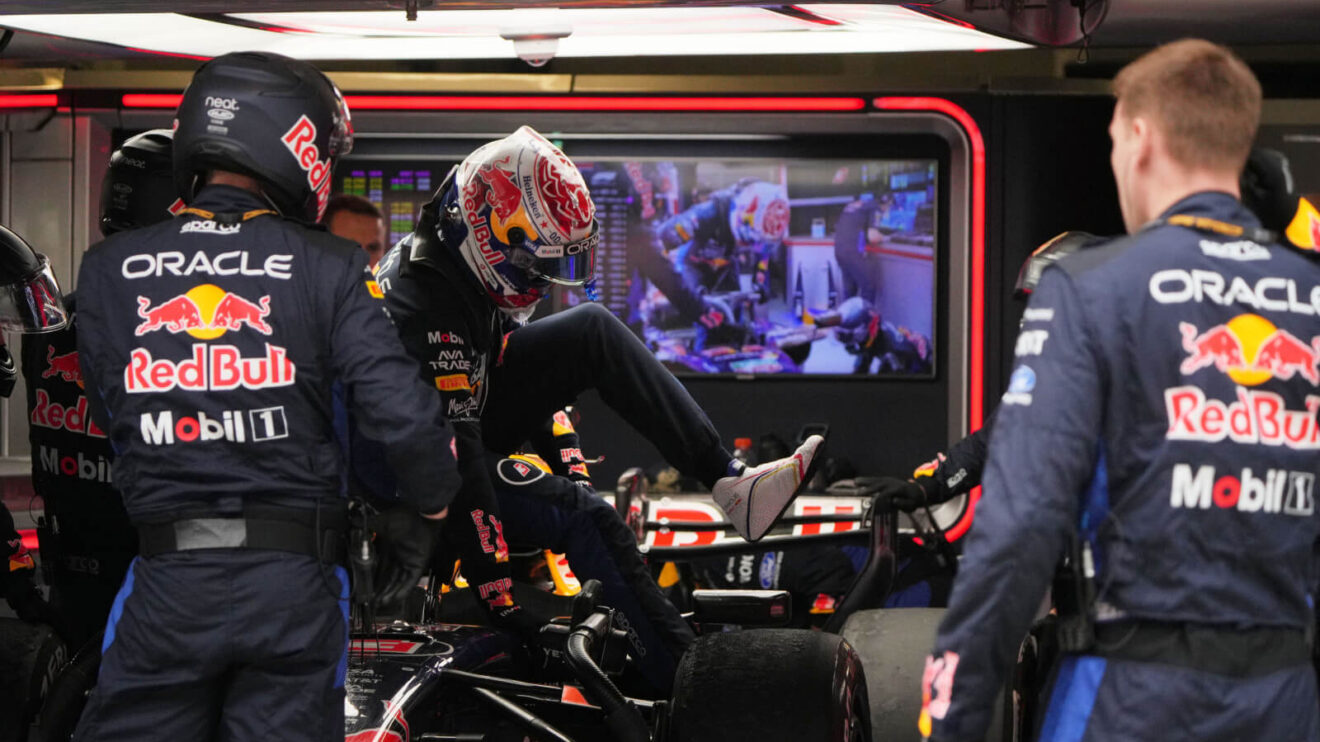
'The car feels like it wants to bite me through every corner. Can we please find some balance?'
— Max Verstappen, Free Practice 2
Source: the voices in our engineer's headset.
The Red Bull situation
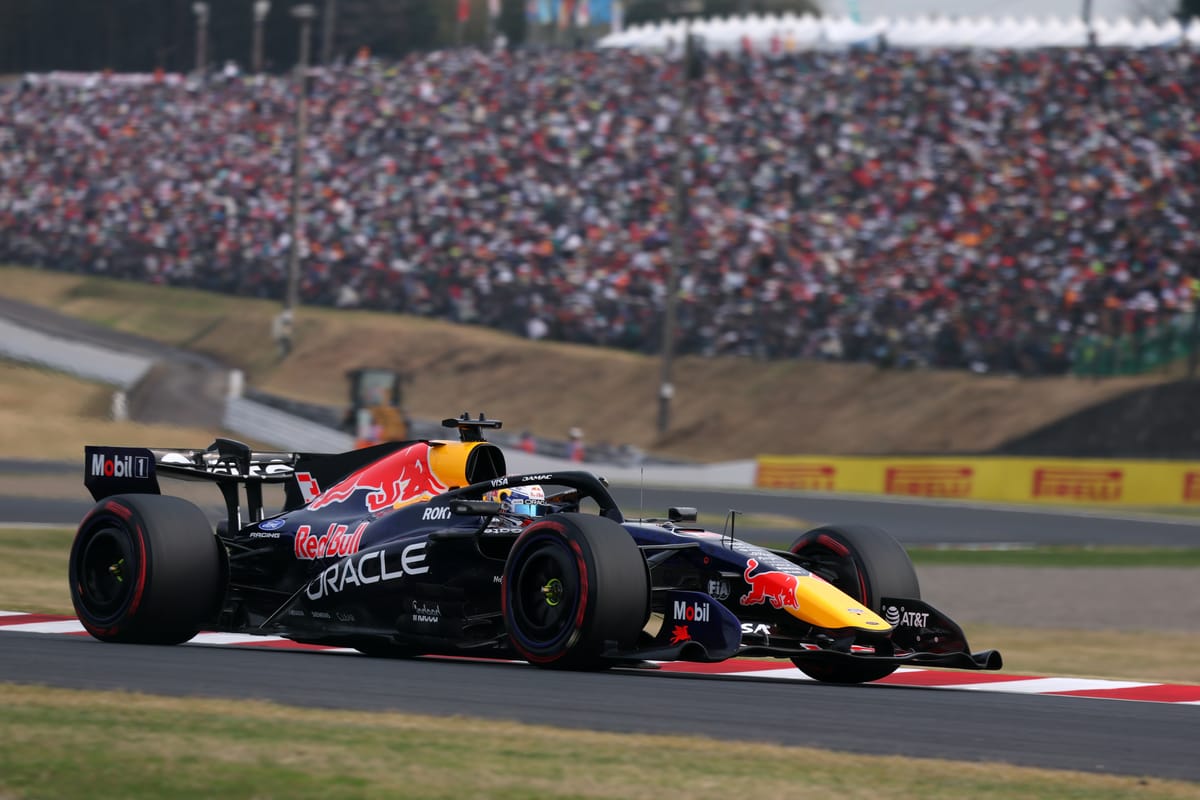
Verstappen’s early-season struggles represent more than just a rough patch – they signal a fundamental shift in F1’s competitive order. The new Red Bull Powertrains/Ford partnership was supposed to herald a new era of independence for the team that dominated the hybrid era’s latter years. Instead, it’s delivered eight points, one DNF, and a growing sense that the 2026 regulations might have caught them off guard.
The car’s balance issues are evident every time Verstappen keys his radio. The active aerodynamics system that Mercedes have mastered seems to confound Red Bull’s engineers, creating a machine that fights its driver rather than working with him. Isack Hadjar has shown flashes of pace, but consistency remains elusive for both Red Bull drivers.
Suzuka’s flowing corners and elevation changes will provide the ultimate test of Red Bull’s current package. If they can’t find answers here, at a circuit that has historically favored their design philosophy, the questions will only grow louder.
McLaren’s reliability nightmare
Lando Norris arrived in 2026 as the defending world champion, carrying the confidence of a driver who had conquered the sport’s ultimate prize. Two races later, he’s watching his title defense crumble not through lack of pace, but through mechanical failures that would embarrass a club racing team.
The double DNS in China represented rock bottom for a team that should be fighting for wins. Two separate electrical failures on the same weekend suggests systematic issues rather than isolated incidents. Norris needs his McLaren to actually participate in Grand Prix weekends before he can worry about winning them.
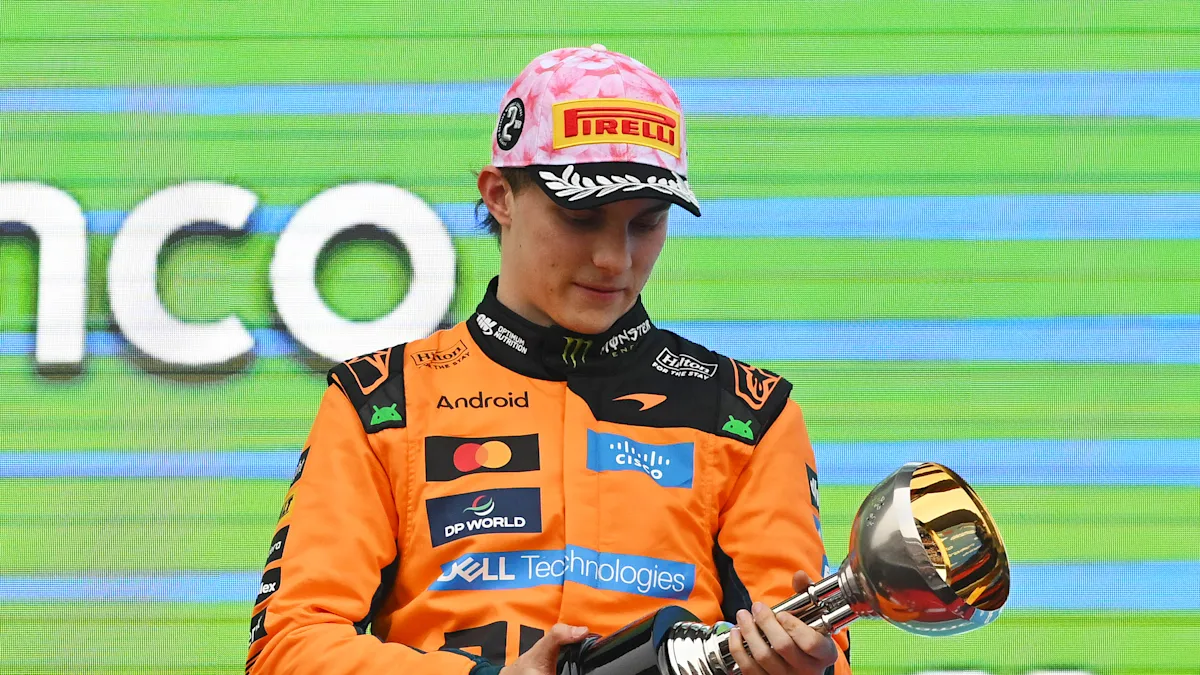
Oscar Piastri’s struggles compound the problem. Two non-starts in two weekends – one from a reconnaissance lap crash, another from electrical gremlins – have left the Australian pointless and frustrated. For a team with championship aspirations, McLaren’s current form represents an existential crisis.
What Suzuka demands
This circuit has never tolerated mediocrity, and the 2026 regulations haven’t changed that fundamental truth. The sweeping curves through the first sector will expose any aerodynamic inefficiencies, while the technical sections demand precise energy management from the new hybrid systems. Drivers will need to master the active aerodynamics while managing battery deployment across 53 laps of Japan’s most demanding circuit.
Mercedes arrive as overwhelming favorites, but Suzuka has a history of humbling the confident. Ferrari have the pace to challenge, Red Bull have the desperation to find answers, and McLaren have the urgent need to prove their cars can actually finish races.
The championship fight might already be taking shape, but Suzuka has a way of rewriting narratives. This weekend will either confirm Mercedes’ early dominance or remind us why F1 remains beautifully, frustratingly unpredictable.