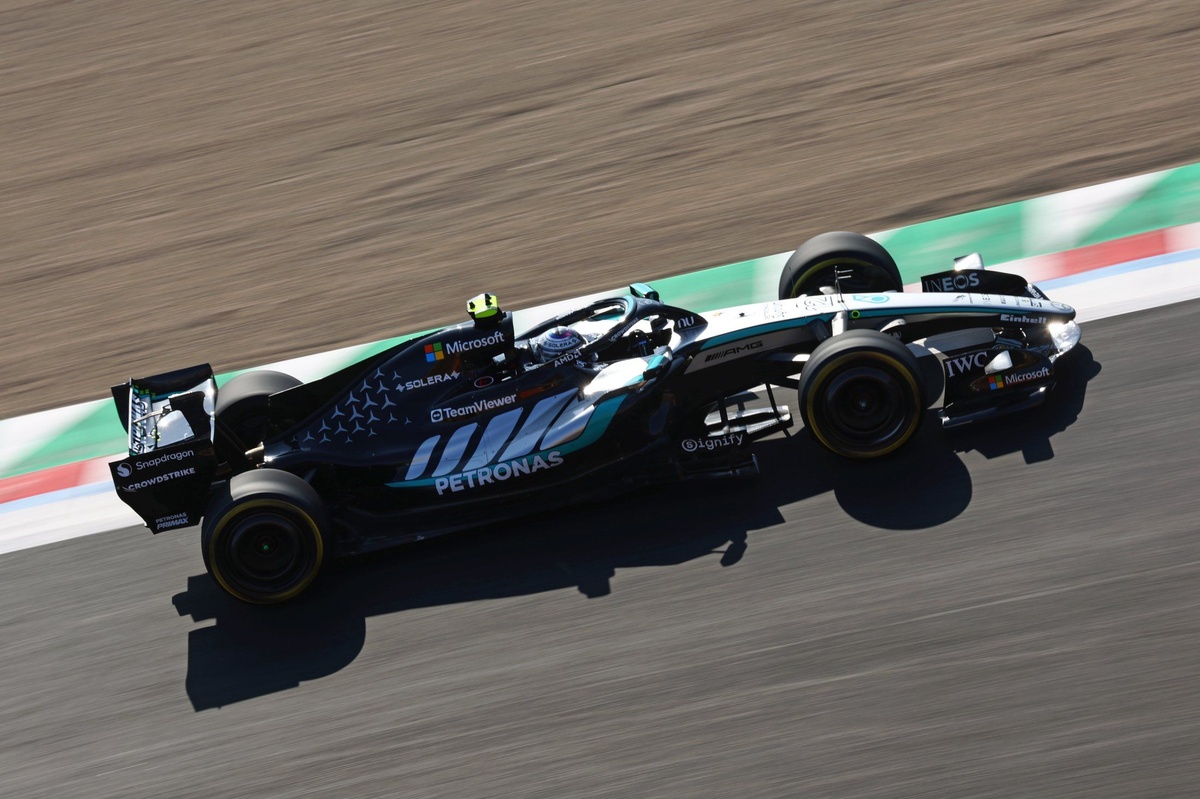
98 points from a possible 101. That’s Mercedes’ haul after two rounds of the 2026 season, and it’s the kind of mathematical precision that should terrify everyone else on the grid.
George Russell sits atop the championship with 51 points, just four ahead of teammate Kimi Antonelli. Behind them? Charles Leclerc trails by 17 points, Lewis Hamilton by 18. For context, that’s already more than a full race win’s worth of deficit, and we haven’t even reached the cherry blossoms at Suzuka yet.
The numbers tell a story of early-season dominance that feels uncomfortably familiar to anyone who lived through the turbo-hybrid era’s opening act. Mercedes have won both races, claimed both pole positions, and delivered five of the six possible podium finishes. The only non-silver step belonged to Leclerc in Melbourne.
Active aero meets 130R
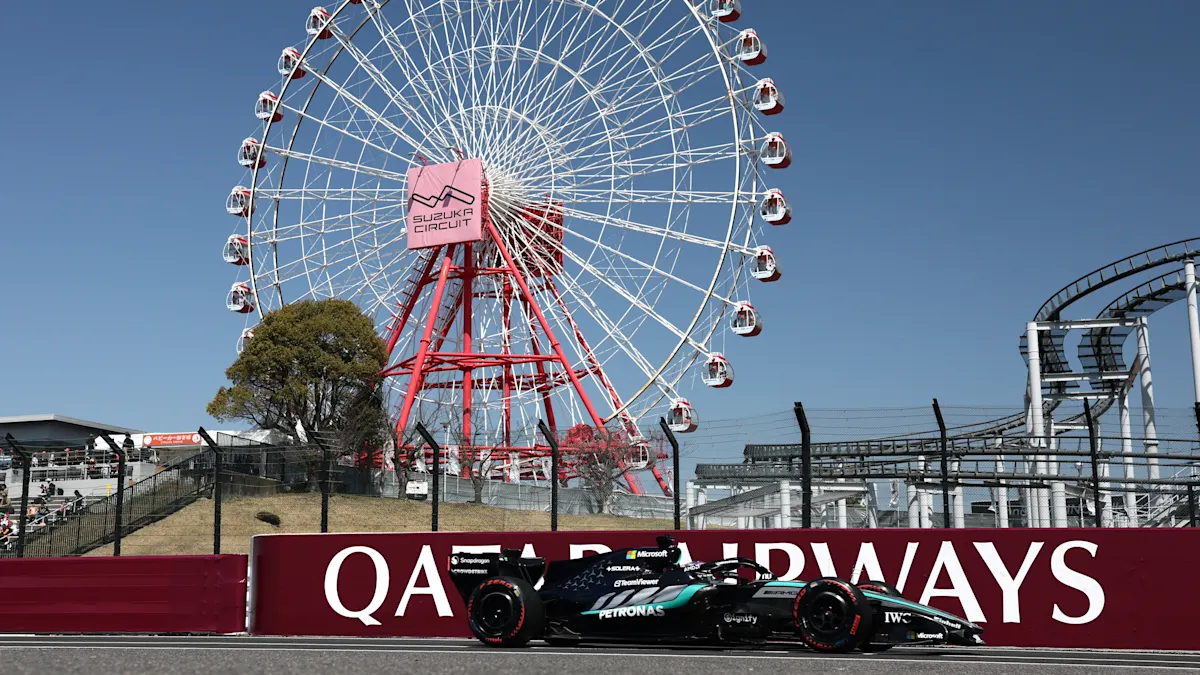
Suzuka arrives at the perfect moment to test the new regulations’ core philosophy. The circuit’s flowing esses and high-speed corners should showcase active aerodynamics at its finest — wings closing through the S-curves for maximum downforce, then opening down the back straight for that crucial top speed advantage.
The technical regulations promised closer racing and more overtaking opportunities. Two races in, the jury’s still deliberating. China showed glimpses of wheel-to-wheel combat, particularly the Hamilton-Leclerc duels that had Ferrari strategists reaching for their blood pressure medication. But Mercedes’ pace advantage has been too substantial for genuine multi-team battles.
Suzuka’s layout traditionally rewards aerodynamic efficiency over raw power. The long, sweeping corners through Sectors 1 and 2 demand consistent downforce, while the back straight punishes excessive drag. It’s a circuit that should theoretically level the playing field — if anyone can actually match Mercedes’ aero package.
'Box, box. We need to fix whatever's making that noise before it becomes expensive confetti.'
— McLaren race engineer, China GP lap 15
Source: the voices in our engineer's headset.
The reliability reckoning
While Mercedes collect trophies, McLaren collect DNFs. Two races, three mechanical failures between Lando Norris and Oscar Piastri. The reigning world champion sits sixth in the standings with 15 points — respectable, but hardly the commanding start expected from last year’s title winner.
Piastri’s suffered two non-starts already: his reconnaissance lap crash in Melbourne, then electrical gremlins in Shanghai. For a driver who scored podiums in both his previous F1 seasons, watching races from the garage isn’t exactly career progression.
The cruel mathematics of modern F1 don’t wait for explanations. Miss three more race finishes, and Norris could find himself mathematically eliminated from title contention before the European season begins. That’s the harsh reality of a 24-race calendar where reliability matters as much as raw pace.
Verstappen’s patience deficit
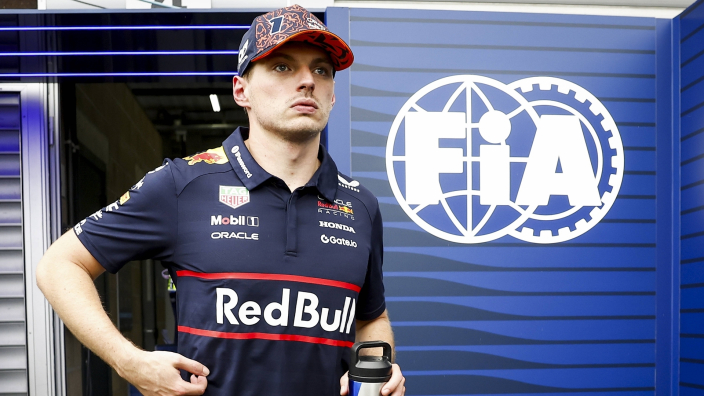
Max Verstappen has 8 championship points and approximately zero patience remaining. The three-time world champion’s radio messages in China carried the distinct tone of someone discovering their supposedly superior machinery might not be so superior after all.
Red Bull’s switch to their own powertrains, co-developed with Ford, was supposed to liberate them from external dependencies. Instead, it’s delivered a car that Verstappen describes with language that would make a sailor blush. His China DNF — a mechanical failure with ten laps remaining — epitomised a frustrating start to the new regulations era.
Isack Hadjar, meanwhile, has shown flashes of genuine pace in the sister car. His battles with Antonelli in Shanghai’s Sprint demonstrated the kind of racecraft that earned him promotion from Racing Bulls. But 4 points from two races isn’t the championship-contending form Red Bull expected from their new lineup.
What Suzuka decides
This weekend could crystallise the season’s trajectory. If Mercedes dominate again — particularly if they lock out the front row and control the race — we might be witnessing the early stages of another silver-arrow steamroller. The kind that turns championship battles into mathematical formalities by summer.
But Suzuka has a history of surprises. Its unique challenges have previously exposed weaknesses in seemingly dominant packages. The combination of high-speed corners, elevation changes, and unpredictable weather could finally provide the equaliser that allows Ferrari, Red Bull, or even the dark horses at Haas to mount a genuine challenge.
The Japanese Grand Prix weekend begins with Friday practice, where teams will get their first proper read on how active aerodynamics behave through 130R at racing speeds. By Sunday evening, we’ll know whether 2026 promises a genuine championship fight or another season of silver-painted inevitability.
Sometimes the most important questions have the simplest answers. Can anyone catch Mercedes? Suzuka will tell us.