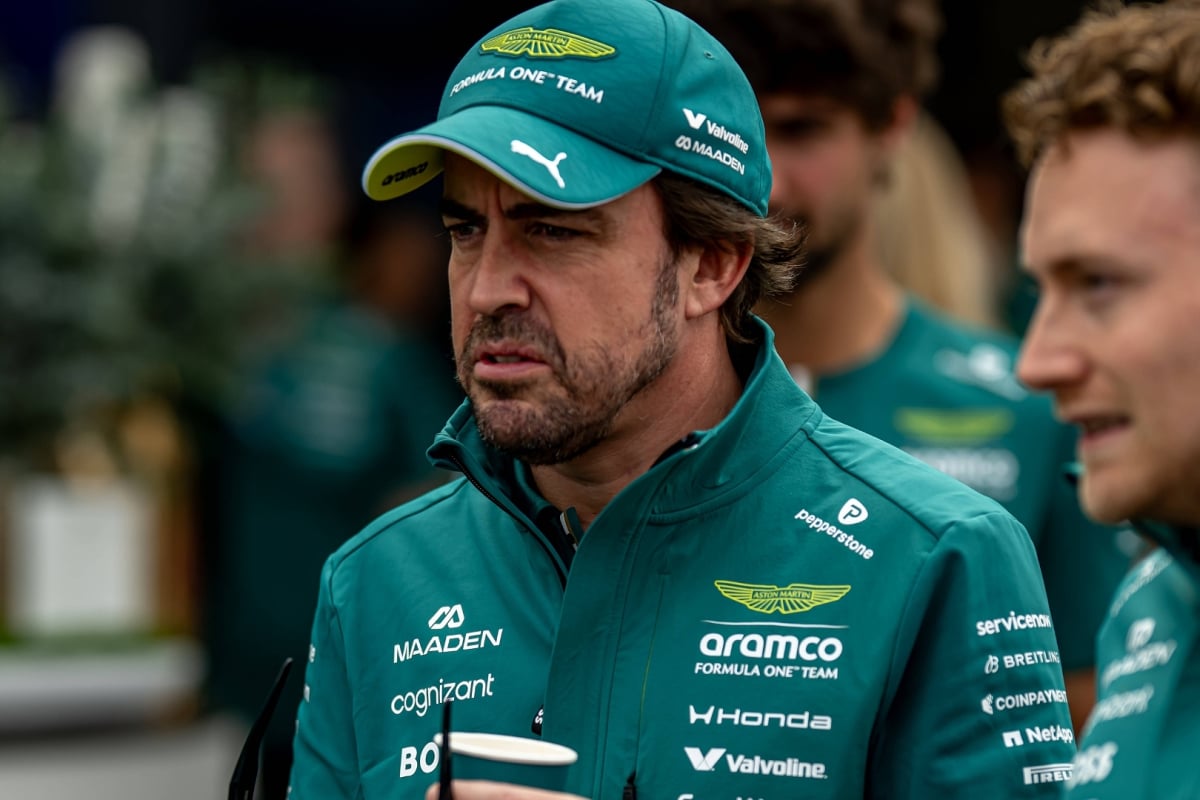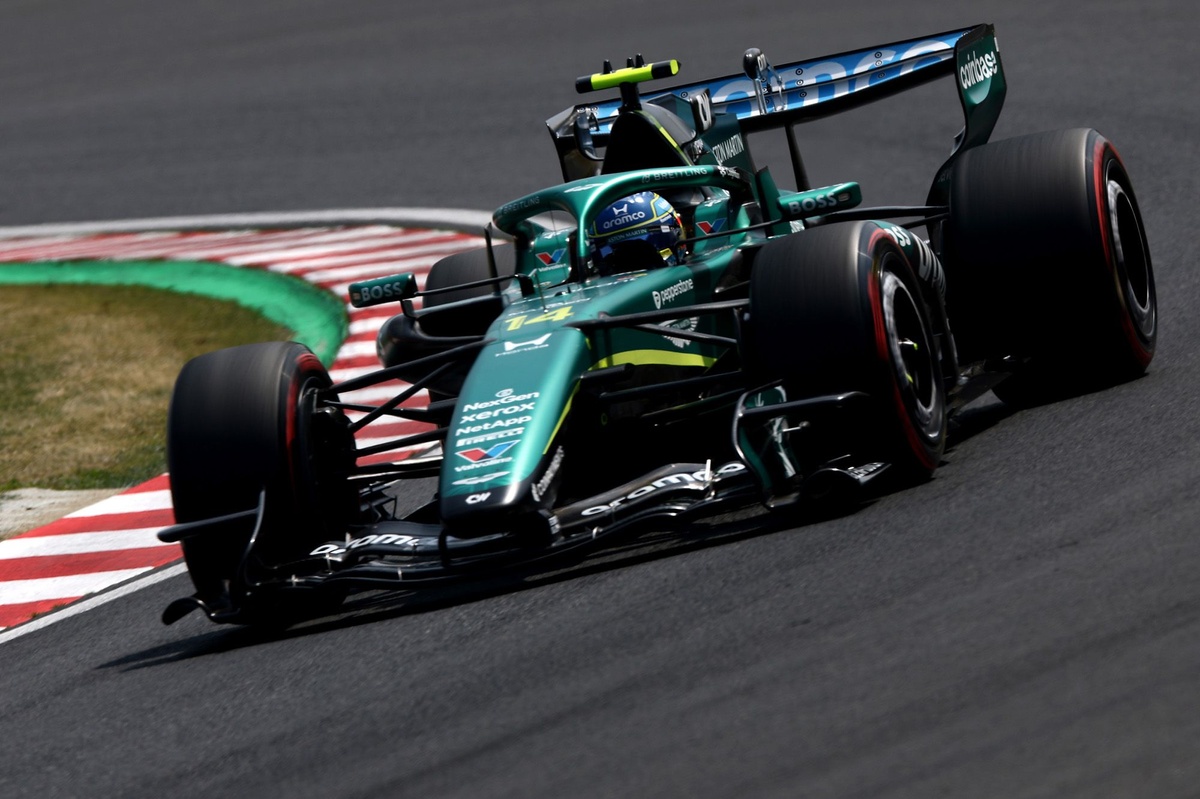
Zero points. That’s what Aston Martin have managed after two rounds, despite fielding Fernando Alonso and a power unit that should be competitive. The reason involves vibrations, damaged batteries, and a partnership so dysfunctional that Honda and Aston Martin can’t even coordinate their failures properly.
Honda’s latest hybrid power unit produces impressive numbers on the dyno. Clean combustion, efficient energy recovery, smooth power delivery. The problem emerges when you bolt it to an Aston Martin chassis that treats the engine like a paint mixer set to maximum aggression.
Frequency Problems
The technical issue centres on resonance frequencies between Honda’s PU mounting points and Aston Martin’s chassis stiffness characteristics. When the new 350kW MGU-K deploys electrical power—nearly three times the previous generation—the resulting torque pulses create vibrations that the chassis amplifies rather than dampens.
These vibrations aren’t just uncomfortable. They’re systematically destroying the hybrid system’s battery cells. The lithium-ion units are designed to handle thermal cycling and rapid charge-discharge cycles. They’re not designed to be shaken like maracas for ninety minutes while delivering maximum electrical output.
Honda’s engineers identified the problem during winter testing. The solution requires detailed chassis frequency analysis, suspension mounting data, and aerodynamic load distribution information. All of which belongs to Aston Martin.
'The engine is fine. The car is shaking it to death.'
— Honda engineer, Silverstone factory
Probably. We weren't on that frequency.
Data Sharing Issues
Here’s where the partnership model breaks down. Honda needs Aston Martin’s proprietary chassis data to develop targeted countermeasures. Aston Martin needs Honda’s detailed frequency mapping to modify their mounting systems. Neither side wants to reveal their technical secrets to solve what they consider the other’s problem.
The result is engineering by committee, where solutions get watered down through multiple approval layers. Honda proposes modified engine mounts. Aston Martin’s aerodynamicists worry about airflow disruption. Honda suggests altered firing frequencies. Aston Martin’s chassis team fears suspension geometry changes.
Meanwhile, Alonso and Stroll are driving cars that vibrate so severely that radio communications become difficult during full electrical deployment. The battery degradation manifests as sudden power losses mid-corner, creating handling characteristics that change unpredictably throughout each stint.
The Deeper Problem
This isn’t just about vibrations. It’s about a customer-supplier relationship that never evolved into genuine technical partnership. Honda provides the power unit specifications. Aston Martin designs around those specifications. When reality doesn’t match the theoretical interface, both sides point at each other’s drawings.
Compare this to Ferrari’s approach with their customer teams. Haas gets detailed integration support, shared simulation data, and regular technical exchanges. The result: Oliver Bearman sitting fifth in the championship while Alonso has zero points.
The vibration issue could be solved within weeks if both organizations committed to genuine data sharing and joint problem-solving. Instead, they’re conducting separate investigations that occasionally intersect during awkward video conferences where neither side wants to reveal their conclusions first.
What makes this particularly frustrating is the underlying potential. Honda’s power unit architecture suits the new regulations perfectly. Aston Martin’s chassis has genuine aerodynamic merit. Together, they should be challenging for podiums. Instead, they’re perfecting the art of synchronized failure.
The Japanese Grand Prix arrives this weekend. Honda’s home race, where vibration-induced battery failures would be especially unwelcome. Perhaps embarrassment will achieve what engineering collaboration couldn’t: actual teamwork between two organizations that share everything except trust.