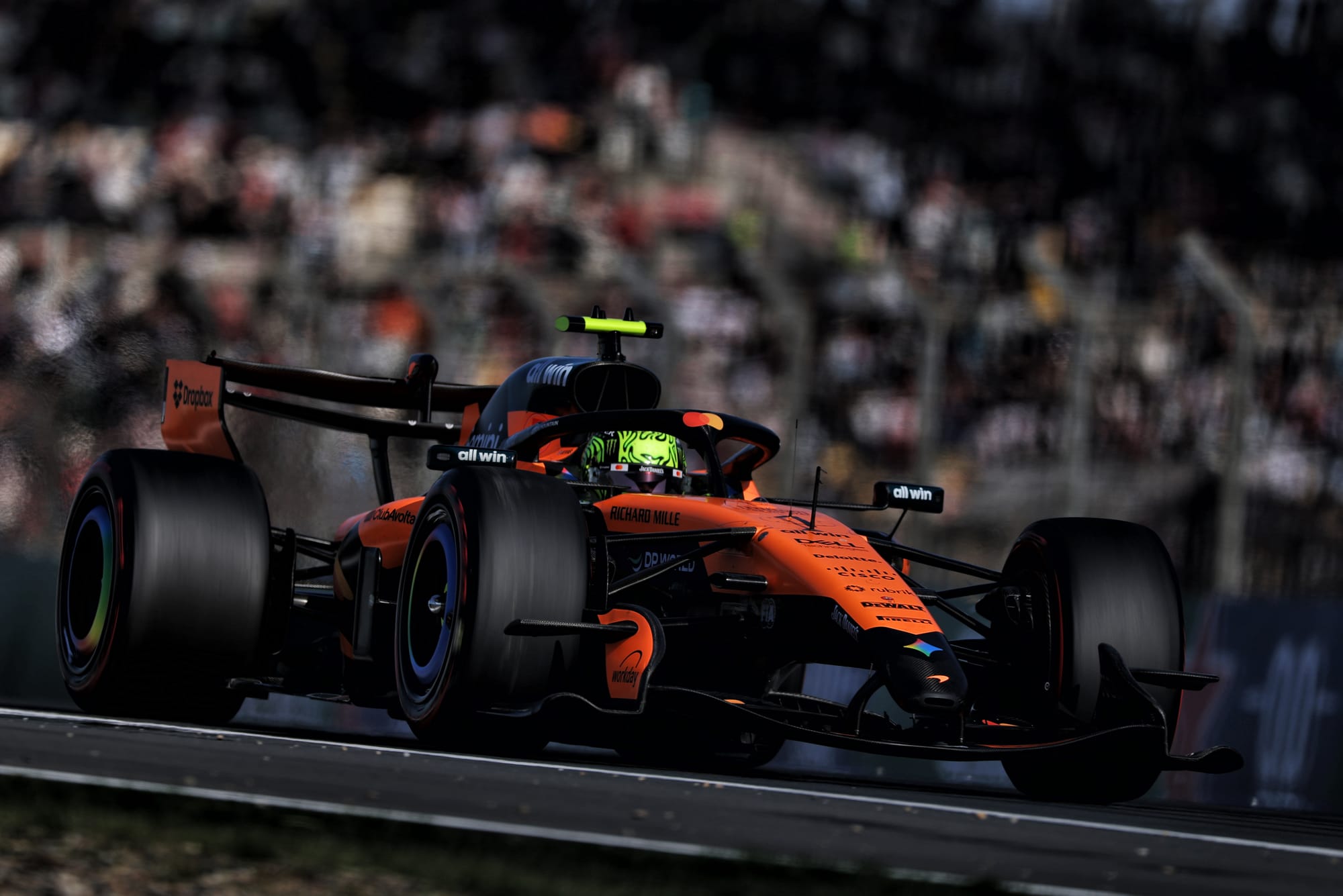
Lap 1, Turn 2. The camera catches Max Verstappen’s Red Bull flowing through the first corner of the Esses, and something feels fundamentally wrong. His right foot hovers over the brake pedal like a pianist afraid to touch the keys. The car slows, turns, flows onward — all while his boot stays suspended in mid-air.
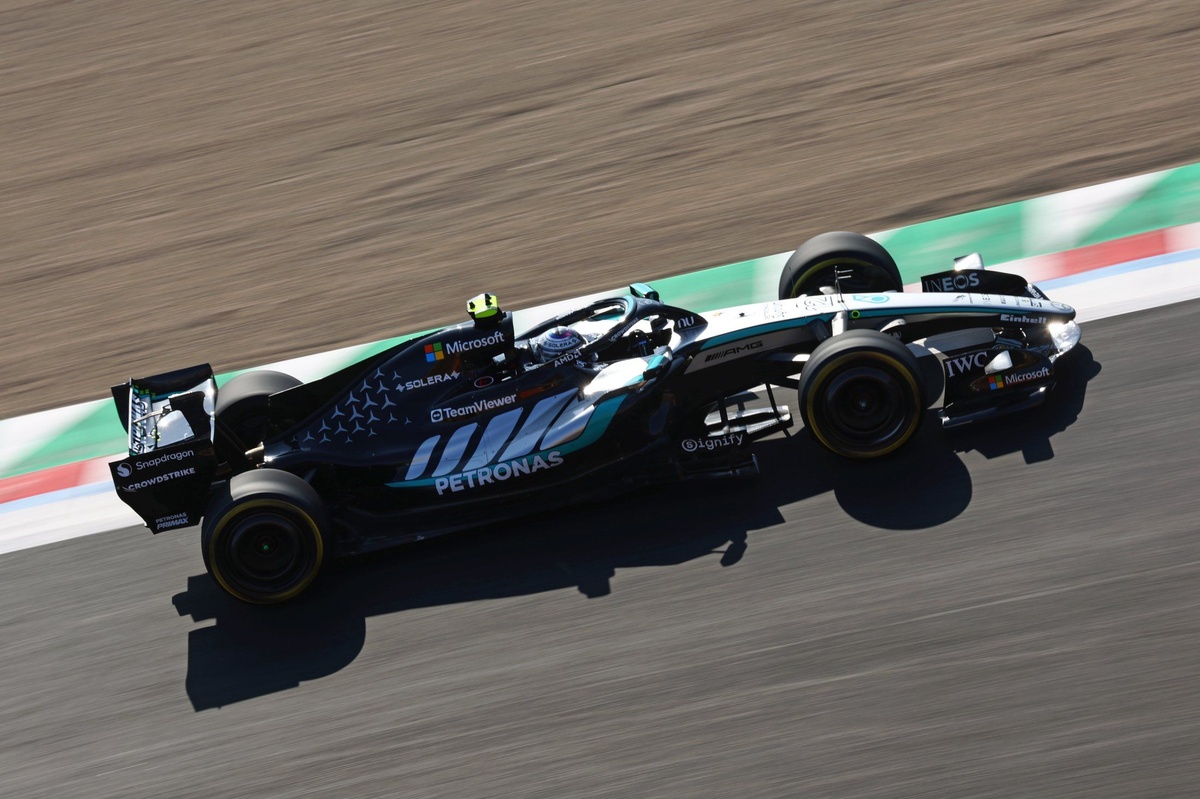
This is Suzuka 2026, where the most revered corner sequence in motorsport has been quietly transformed into a glorified energy harvesting exercise. The Esses, those flowing left-right sweepers that separate driving artists from mere mortals, now serve a different master entirely: the battery pack.
The Art of Not Braking
The numbers tell the story with brutal efficiency. Telemetry from Friday practice shows drivers touching the brake pedal for roughly 0.3 seconds through the entire first sector — down from nearly 2.5 seconds in 2025. The rest of the deceleration comes courtesy of the MGU-K, that 350kW electric motor-generator that now dominates how these cars slow down.
“It’s like learning to drive all over again,” one engineer explained, gesturing at screens full of energy flow data. “The driver’s job isn’t to brake anymore. It’s to position the car so the hybrid system can harvest maximum energy while maintaining cornering speed.”
'The car is basically driving itself through the Esses. I just hold the wheel and watch the battery percentage.'
— Anonymous driver, Suzuka practice
Reconstructed from memory. And by memory, we mean imagination.
The technical reality is both impressive and slightly depressing. Where drivers once modulated brake pressure through each transition, feeling for the perfect balance between deceleration and grip, they now manage energy recovery rates. The MGU-K pulls power from the rear axle, slowing the car while feeding electrons back to the battery. It’s efficient, it’s clever, it’s completely soulless.
What We’ve Lost
There was something almost sacred about watching a master navigate the Esses under the old regulations. The way Verstappen would trail-brake deep into Turn 2, or how Hamilton would find that extra tenth by carrying just a whisper more speed through the transitions. These moments separated the truly great from the merely quick.
Now? The car does most of the thinking. Brake-by-wire systems interpret the driver’s pedal input and decide how much actual friction braking is needed versus energy recovery. The hybrid system maps optimal deceleration curves for each corner entry. The driver becomes a passenger in their own deceleration.
“You can still find time,” insists one team’s performance engineer, “but it’s in energy management, not braking technique. The driver who masters battery deployment through the Esses will find three-tenths on the rest of the field.”
That’s the new reality: lap time gained through electron optimization rather than late-braking heroics. Progress, perhaps, but progress that feels like it’s moving away from what made F1 special in the first place.
The Bigger Picture
This transformation reflects the broader philosophical shift in F1’s 2026 regulations. The sport has chosen efficiency over artistry, sustainability over spectacle. The cars are lighter, nimbler, and theoretically more exciting to drive. They’re also increasingly automated, with systems that think faster and more precisely than any human ever could.
Standing trackside during practice, watching these machines ghost through corners that once demanded everything from their pilots, you can’t help but wonder what we’re really racing toward. The lap times are impressive, the technology is remarkable, and the environmental credentials are impeccable.
But somewhere in all that progress, we might have lost something that can’t be measured in kilowatts or lap time deltas: the simple, beautiful sight of a driver wrestling their machine through one of motorsport’s greatest challenges, brake pedal firmly planted, commitment absolute, artistry on full display.
The Esses still flow. The cars still dance. The drivers still matter. But the dance has changed, and not everyone is convinced it’s for the better.