Zero points. That’s what Honda’s power unit has delivered for Aston Martin after two rounds of the 2026 season.
Koji Watanabe, Honda’s F1 project leader, has done something remarkable in modern Formula 1: he’s told the truth. Speaking to Japanese media ahead of this weekend’s Suzuka race, Watanabe admitted that Honda’s power unit struggles are directly harming Aston Martin’s competitive prospects. No corporate speak. No deflection. Just brutal honesty about their own inadequacy.
“We are not providing Aston Martin with the performance they need,” Watanabe said. “Our power unit integration with the new regulations has been more challenging than anticipated. We take full responsibility for their current position.”
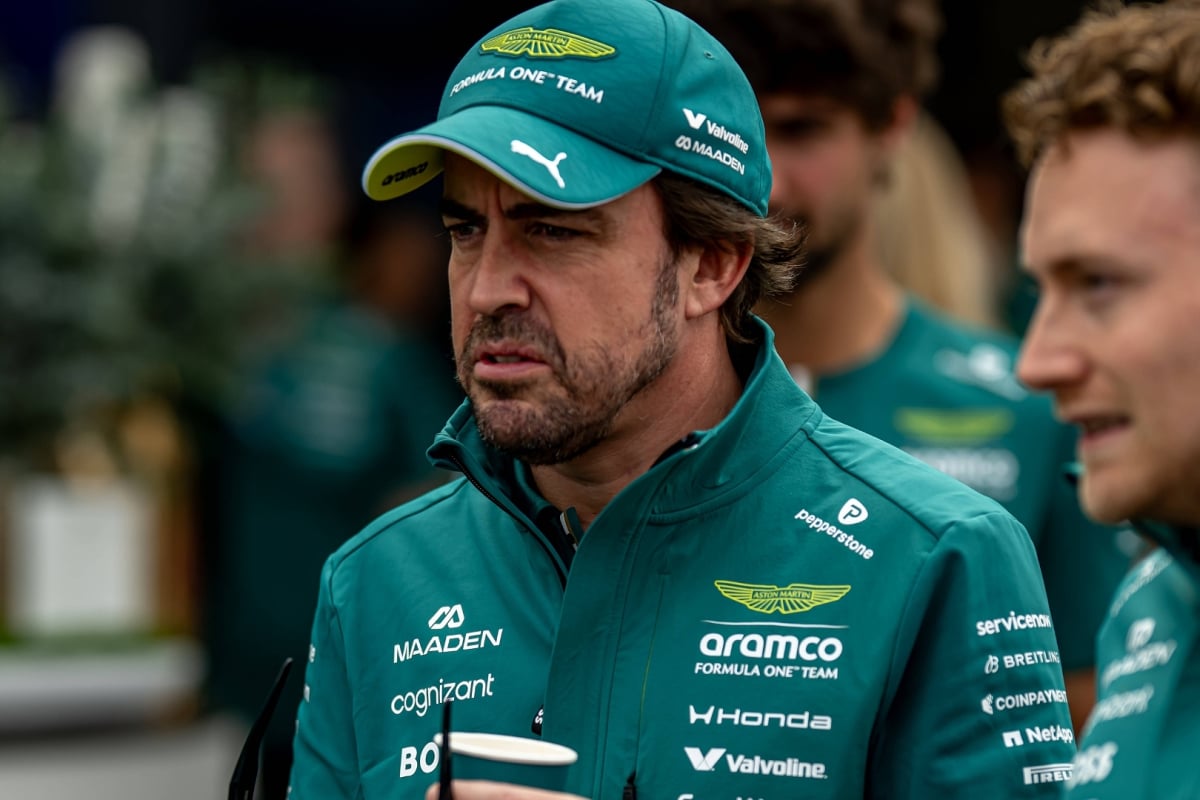
Their current position being dead last in the constructors’ championship. Both cars retired from the Chinese Grand Prix with separate power unit-related issues. Fernando Alonso managed one lap before his Honda unit decided it preferred the garage. Lance Stroll lasted longer but still triggered the race’s only Safety Car when his car stopped on track.
The Numbers Don’t Lie
While Mercedes power units have won both races so far, Honda’s contribution to the 2026 season can be summarized as: two DNS results, two DNF results, and a combined race distance of approximately 47 laps across four car entries.
The new regulations demanded a complete rethink of power unit philosophy. The deletion of the MGU-H and tripling of electrical power from the MGU-K created challenges every manufacturer faced. Mercedes adapted. Ferrari found their feet. Red Bull Powertrains had teething problems but Verstappen still scored points in Australia.
Honda, apparently, went backwards.
'The power unit feels like it's actively trying to go backwards. Is this normal?'
— Fernando Alonso, post-qualifying China
Unverified. Our paddock sources are unreliable at best.
Watanabe’s admission comes at Honda’s home race. Suzuka should be their moment to demonstrate progress, but early practice sessions suggest the fundamental issues remain. The electrical energy deployment remains inconsistent. The ICE struggles with the new fuel regulations. The integration between both power sources creates gaps in performance that rival teams have learned to exploit.
What Went Wrong
Honda’s approach to the 2026 regulations focused heavily on theoretical peak power output rather than drivability and reliability. Internal sources suggest their dyno numbers looked competitive, but translating that performance to race conditions proved impossible.
The MGU-K’s increased power delivery requires precise calibration with the ICE. Get it wrong, and drivers experience power gaps mid-corner or sudden surges that upset the car’s balance. Honda’s calibration maps, it seems, were written by someone who’d never watched a Formula 1 race.
Meanwhile, Mercedes spent 2025 preparing their customer teams for the transition. Alpine, Williams, and McLaren all received detailed integration support. Honda’s communication with Aston Martin, by contrast, resembled two departments that forgot they worked for the same company.
Damage Report
The championship implications are already severe. While Oliver Bearman sits fifth in the drivers’ standings in his Haas, both Aston Martin drivers have scored nothing. Alonso, a two-time world champion, finds himself behind rookies and reserve drivers in the points table.
Aston Martin’s aerodynamic package shows genuine promise. Their active aero system adapts smoothly between configurations. The chassis balance looks competitive in slow corners. None of that matters when the power unit won’t complete a race distance.
Watanabe’s honesty deserves credit in a sport where admitting fault usually gets you fired. Honda’s willingness to publicly acknowledge their failures suggests they understand the severity of their situation. Whether they can fix it quickly enough to salvage Aston Martin’s season remains unclear.
The Japanese manufacturer has historically oscillated between brilliance and bewilderment in Formula 1. Their late-2010s partnership with McLaren produced some genuinely awful machinery. Their recent success with Red Bull showed they could build race-winning power units.
Right now, they’re closer to the McLaren era than the Red Bull glory days. At least Watanabe isn’t pretending otherwise.