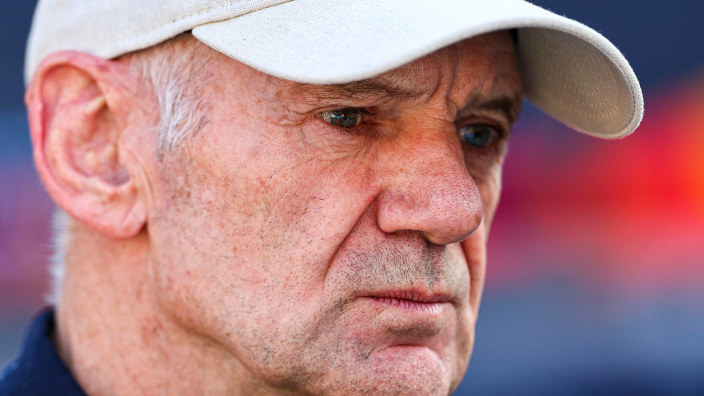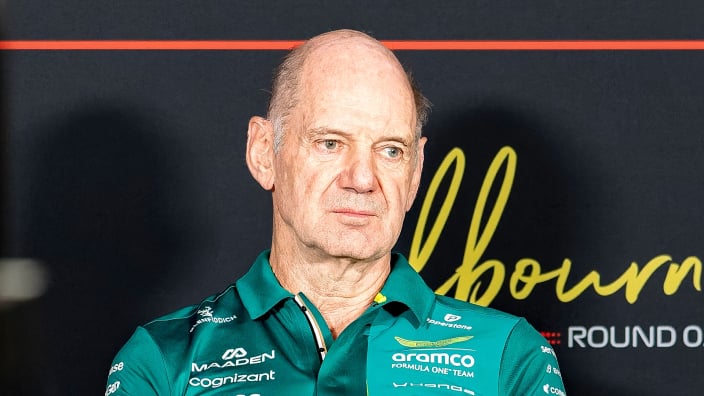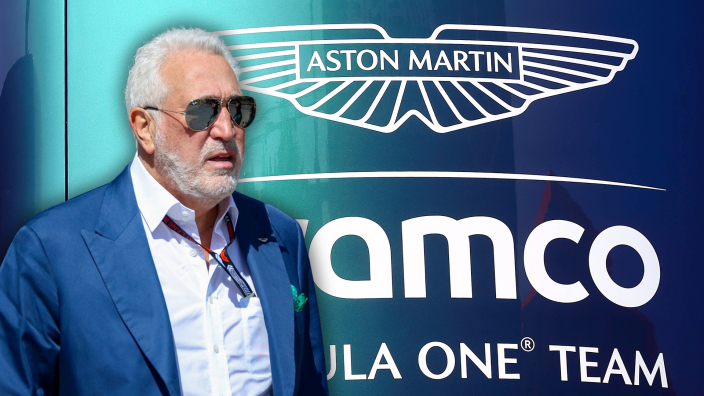
Honda chief Koji Watanabe has admitted the company’s F1 return is falling short of expectations. Zero points from two races tends to clarify these things.
Speaking ahead of this weekend’s Japanese Grand Prix, Watanabe acknowledged that Honda’s absence from F1 between 2022 and 2025 has left them scrambling to adapt to the sport’s new hybrid regulations. The 2026 power unit rules represent the biggest overhaul in F1 history, deleting the MGU-H and tripling electrical power output to 350kW.
“Our time away from Formula 1 has created challenges we are working hard to overcome,” Watanabe said. “The new regulations are complex, and we are learning every session.”
The Numbers Don’t Lie
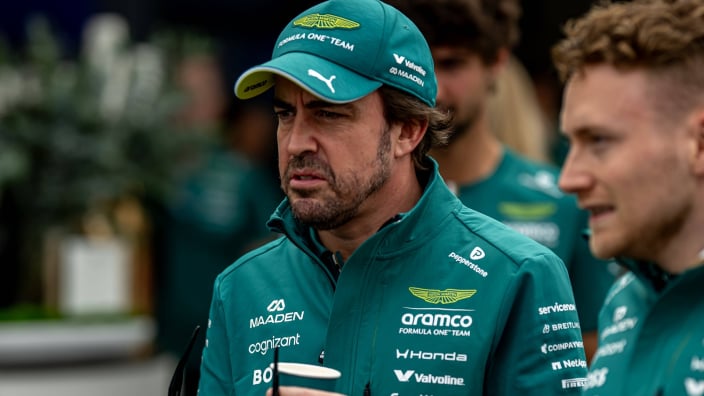
Aston Martin’s season statistics make for grim reading. Double DNS in Australia. Double DNF in China when Lance Stroll’s car stopped on track, triggering the race’s only Safety Car. Fernando Alonso and Stroll have combined for exactly zero championship points across four race entries.
The constructors’ standings tell the story: eleven teams, one sits at the bottom with a big fat zero. That would be Aston Martin, powered by Honda’s comeback special.
Compare this to Honda’s previous F1 stint with Red Bull, where they won four consecutive championships from 2021-2024. But that partnership ended when Red Bull opted to develop their own power unit with Ford backing, leaving Honda to find new partners or exit the sport entirely.
They chose Aston Martin. The results speak for themselves.
'The engine feels different every lap. Not good different.'
— Fernando Alonso, China GP
Reconstructed from memory. And by memory, we mean imagination.
Energy Management Nightmare
The 2026 regulations demand sophisticated energy management strategies. Drivers must harvest electrical power through designated braking zones while deploying it strategically via “Overtake Mode” and “Boost Mode” systems. It’s like managing tyre strategy, except with electrons instead of rubber compounds.
Honda’s power unit appears to struggle with this balance. Telemetry data from China showed erratic energy deployment patterns from both Aston Martin cars before their retirements. When your energy management resembles a drunk person operating a light switch, you have problems.
Mercedes, meanwhile, has mastered the new hybrid systems. George Russell and Kimi Antonelli have won both races this season, with Russell leading the championship by four points. Ferrari’s power unit has also adapted well, putting both Charles Leclerc and Lewis Hamilton on the podium in China.
Honda’s learning curve looks steep by comparison.
What Now?
Credit where it’s due: Honda deserves respect for returning to F1’s most challenging era. The 2026 power unit regulations represent a technological leap that would intimidate any manufacturer. Developing a competitive hybrid system while the sport transitions to 50% electrical power output requires enormous resources and expertise.
But admitting the problem exists is only step one. Aston Martin needs solutions, not explanations. Fernando Alonso is 42 years old and doesn’t have seasons to spare waiting for Honda to figure out energy management.
The Japanese Grand Prix provides Honda with a home race opportunity to show progress. Suzuka’s demanding layout will test every aspect of their power unit: straight-line speed, energy deployment, and crucially, reliability over race distance.
Watanabe’s honesty is refreshing in a paddock that often treats obvious problems like state secrets. Honda’s F1 return is struggling. Everyone can see it. Now they need to fix it.