Two spare parts kits. That’s what Ferrari brought to Suzuka — enough components to outfit both Charles Leclerc and Lewis Hamilton with their revolutionary “Macarena” rotating rear wing system. The same innovation that had the paddock buzzing through winter testing, the same piece of kit that supposedly gave Ferrari the edge in active aero development.
They used precisely none of it.
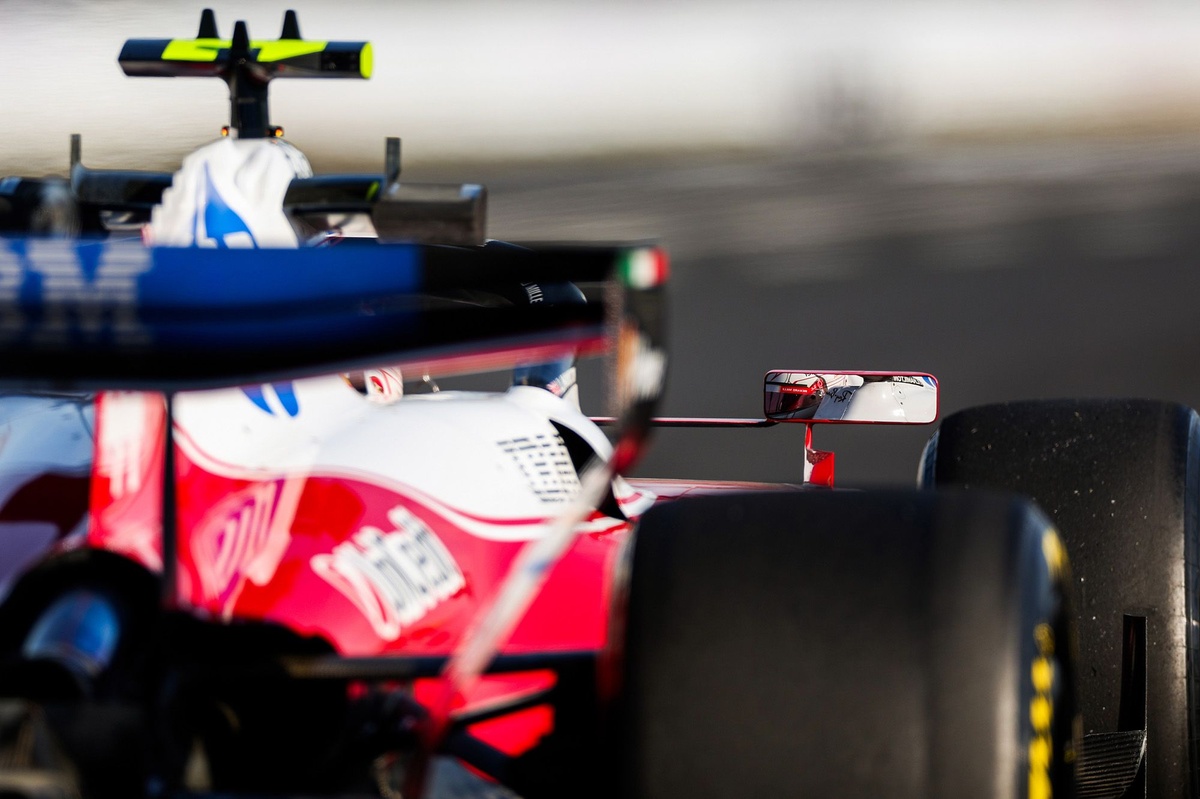
The Macarena — nicknamed for its distinctive side-to-side wing flap rotation — represents Ferrari’s boldest interpretation of 2026’s active aerodynamics regulations. While other teams opted for conventional up-down wing movement, Ferrari’s engineers went sideways. Literally. The rear wing endplates rotate inward on straights, creating a dramatic drag reduction effect that makes DRS look quaint.
In testing, it worked beautifully. In China, they left it at home. In Suzuka, they brought it to the dance floor and decided to sit this one out.
The Numbers Game
Ferrari’s conservative approach becomes starker when you examine their current championship position. Charles Leclerc sits third with 34 points, Lewis Hamilton fourth with 33. Respectable, certainly, but they’re staring at a 67-point deficit to Mercedes in the constructors’ championship after just two races.
Meanwhile, Mercedes have mastered their active aero package with surgical precision. George Russell and Kimi Antonelli aren’t just winning races — they’re making it look effortless. The W17’s conventional active rear wing might lack Ferrari’s sideways flair, but it delivers consistent performance lap after lap.
'We have the parts, we have the data, we have the courage of a wet paper bag.'
— Anonymous Ferrari Engineer, Friday Practice
Unverified. Our paddock sources are unreliable at best.
The decision to bench the Macarena at Suzuka wasn’t about parts availability. Ferrari’s logistics department had worked overtime to ensure both cars could run the system if needed. The hesitation ran deeper — into the fundamental question of whether revolutionary technology belongs on track when championships hang in the balance.
Risk vs Reward
Ferrari’s caution reflects a brutal truth about modern F1: innovation means nothing if it doesn’t translate to points. The Macarena system requires different energy management strategies, altered suspension settings, and completely revised setup philosophies. One miscalculation in wing rotation timing could cost crucial tenths per lap.
Compare that to Mercedes’ approach. Their active aero package might be conventional, but it’s proven. Russell and Antonelli have extracted maximum performance from a system they trust implicitly. No hesitation, no second-guessing, no leaving revolutionary technology in the garage when the lights go out.
The irony cuts deep. Ferrari spent months developing a system that could theoretically give them a significant aerodynamic advantage, then lacked the conviction to use it when they needed points most. It’s the kind of conservative thinking that wins engineering awards and loses championships.
Yet there’s something genuinely admirable about Ferrari’s technical ambition here. The Macarena represents the kind of lateral thinking that F1 desperately needs. While other teams followed predictable development paths, Ferrari’s engineers asked: what if we rotate the wing sideways instead of just up and down?
That question led to genuine innovation. The execution, however, tells a different story.
What Now?
Ferrari face a crucial decision point heading into Miami. Continue developing the Macarena system in the background while running conventional aero packages in races? Or commit fully to their innovation and accept the growing pains that come with revolutionary technology?
The championship math makes this choice more urgent with each passing weekend. Mercedes aren’t just winning races — they’re building momentum that could prove insurmountable if Ferrari’s technical conservatism continues much longer.
The Macarena came to Suzuka ready to dance. Instead, it watched from the sidelines as Mercedes waltzed away with another weekend of dominance. Sometimes the most telling moments in F1 aren’t what teams choose to do, but what they choose not to do when the stakes matter most.